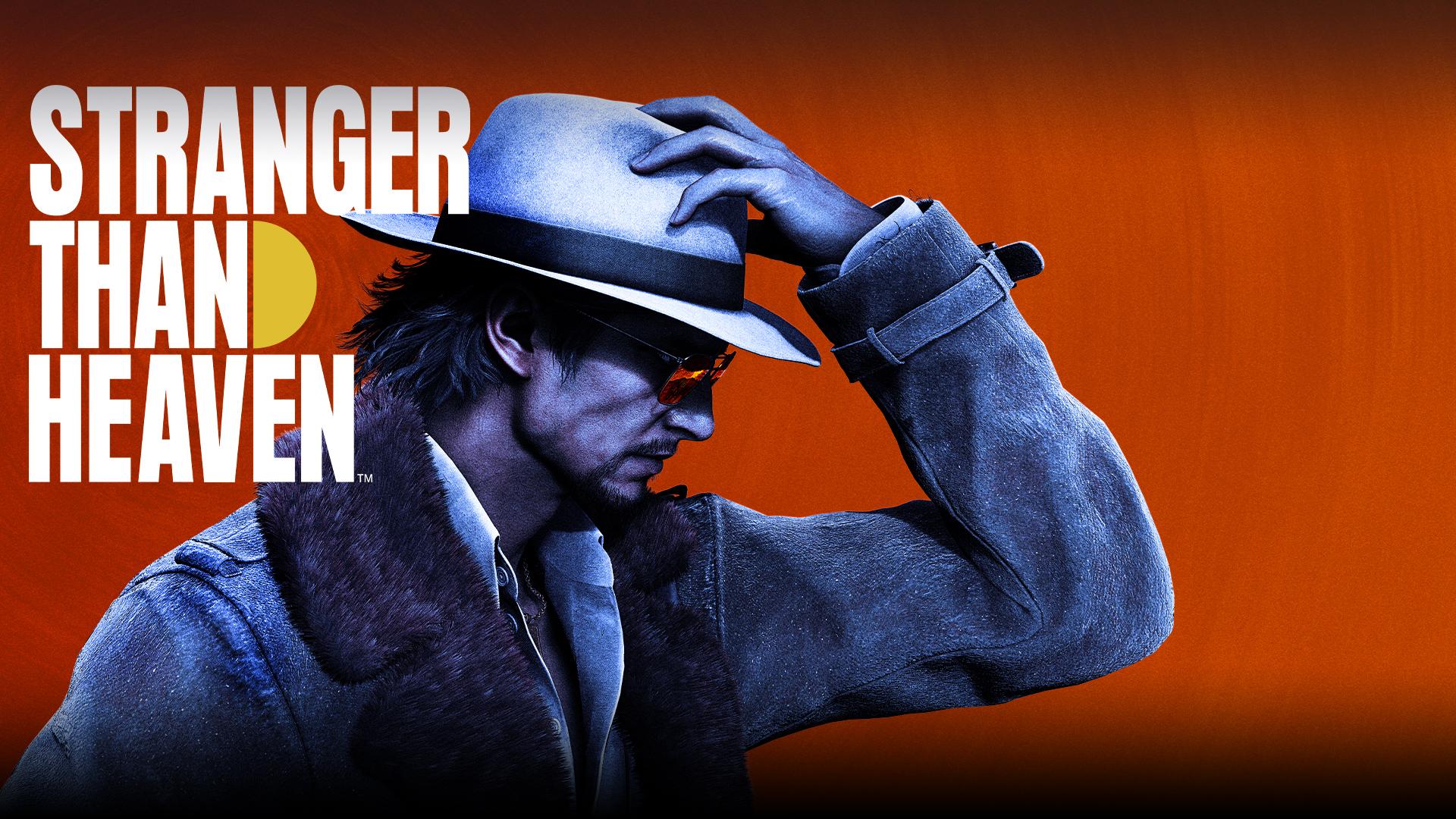
When SEGA and Ryu Ga Gotoku Studio first revealed Project Century back in 2024, a lot of people assumed it would just be another experimental side project connected to the Like a Dragon universe. Now, with the official reveal of Stranger Than Heaven, that perception has completely changed.
The game has rapidly turned into one of the biggest discussion points in gaming this month, not only because of its massive scope, but also because of the confusion surrounding its release date, its unusual celebrity cast, and the increasingly cinematic direction RGG Studio is taking.
According to SEGA, Stranger Than Heaven is scheduled for a Winter 2026 release on PlayStation 5, Xbox Series X|S, and PC, including a day-one Xbox Game Pass launch.
But that vague “Winter 2026” window has become a story on its own.
The Release Date Situation Is Already Messy
Right now, nobody actually knows when Stranger Than Heaven is launching.
Officially, SEGA only says “Winter 2026.” But depending on the region, that could mean late 2026 or early 2027. Some reports interpreted the window as Q1 2027, while others believe the game is targeting December 2026.
Things became even more confusing after fans noticed that some regional promotional material allegedly hinted at a more specific “end of the year” release before disappearing shortly after. That immediately triggered speculation that SEGA may still be uncertain about the final timing.
Many fans believe the company is intentionally avoiding a locked release date because of competition from other AAA games expected around the same period. Others think the game’s sheer ambition may simply require more development flexibility.
That concern makes sense because it does not look like a small project.

A 50-Year Crime Saga Is Ambitious Even for RGG Studio
The game reportedly spans multiple decades, following protagonist Makoto Daito through changing eras of Japanese history while exploring organized crime, identity, racism, survival, and entertainment culture.
That setup already feels very different from the modern-day chaos fans usually associate with Like a Dragon.
Instead of focusing purely on yakuza power struggles, Stranger Than Heaven appears to blend criminal drama with music culture, post-war Japan, immigration themes, and show business.
It almost feels like RGG Studio is trying to create its own playable crime epic rather than just another franchise entry.
The Music Direction Is Unexpectedly Huge
One thing that really caught me off guard with Stranger Than Heaven is how deeply music seems connected to the entire identity of the game.
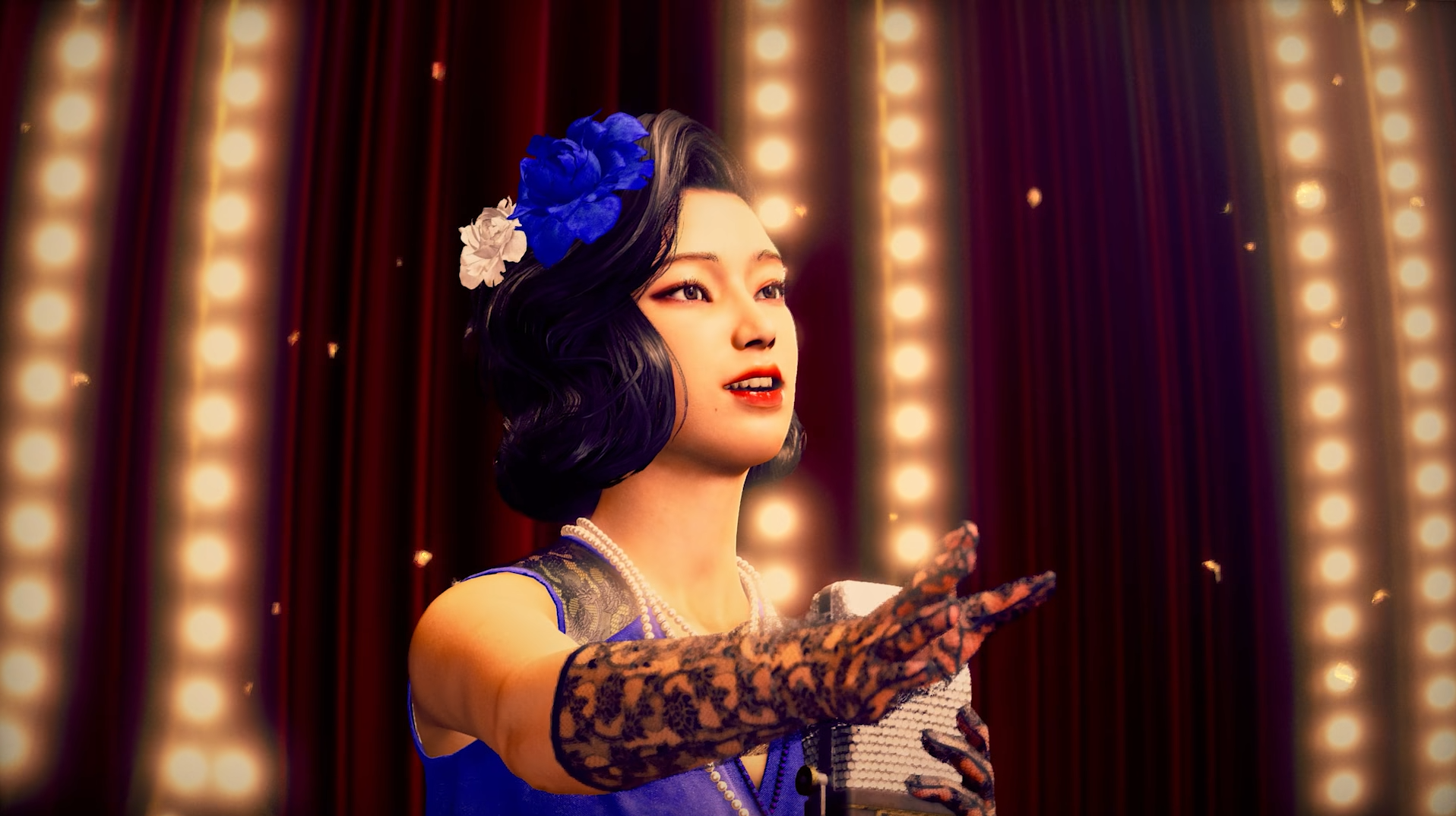
At first, seeing names like Snoop Dogg, Ado, and Tori Kelly attached to the project felt more like a marketing move or soundtrack collaboration. But the more SEGA reveals, the more it feels like music is genuinely part of the world itself, not just something playing in the background.
The game reportedly ties show business and music production directly into the story and gameplay. That’s such an unusual direction for RGG Studio considering they’re mostly known for brutal street fights, crime drama, and absurd side content.
The soundtrack is already becoming one of the biggest talking points around the game. The theme song alone has been getting a massive reaction online, to the point where people are already asking SEGA to release the full tracks separately on streaming platforms before the game even launches.
That’s probably the clearest sign that the music side of Stranger Than Heaven is not just a side feature, it’s becoming one of the main reasons people are paying attention to the game in the first place.
Looking Ahead
Stranger Than Heaven feels like the kind of project that could either become one of RGG Studio’s defining masterpieces or their most divisive game in years.
What makes it exciting is that it genuinely feels different. The tone is darker, the themes are more serious, and the historical setting gives the game a unique identity compared to modern open-world crime games.
But I also understand why some longtime fans are nervous.
When a studio becomes too ambitious, there’s always the risk of losing the simplicity that originally made people love their games. If the combat experiments fail or the pacing becomes uneven across its 50-year story, the entire experience could struggle under its own weight.
Still, right now, Stranger Than Heaven feels like one of the few upcoming AAA games that actually has something distinct to say. And in the current gaming landscape, that alone already makes it worth paying attention to.