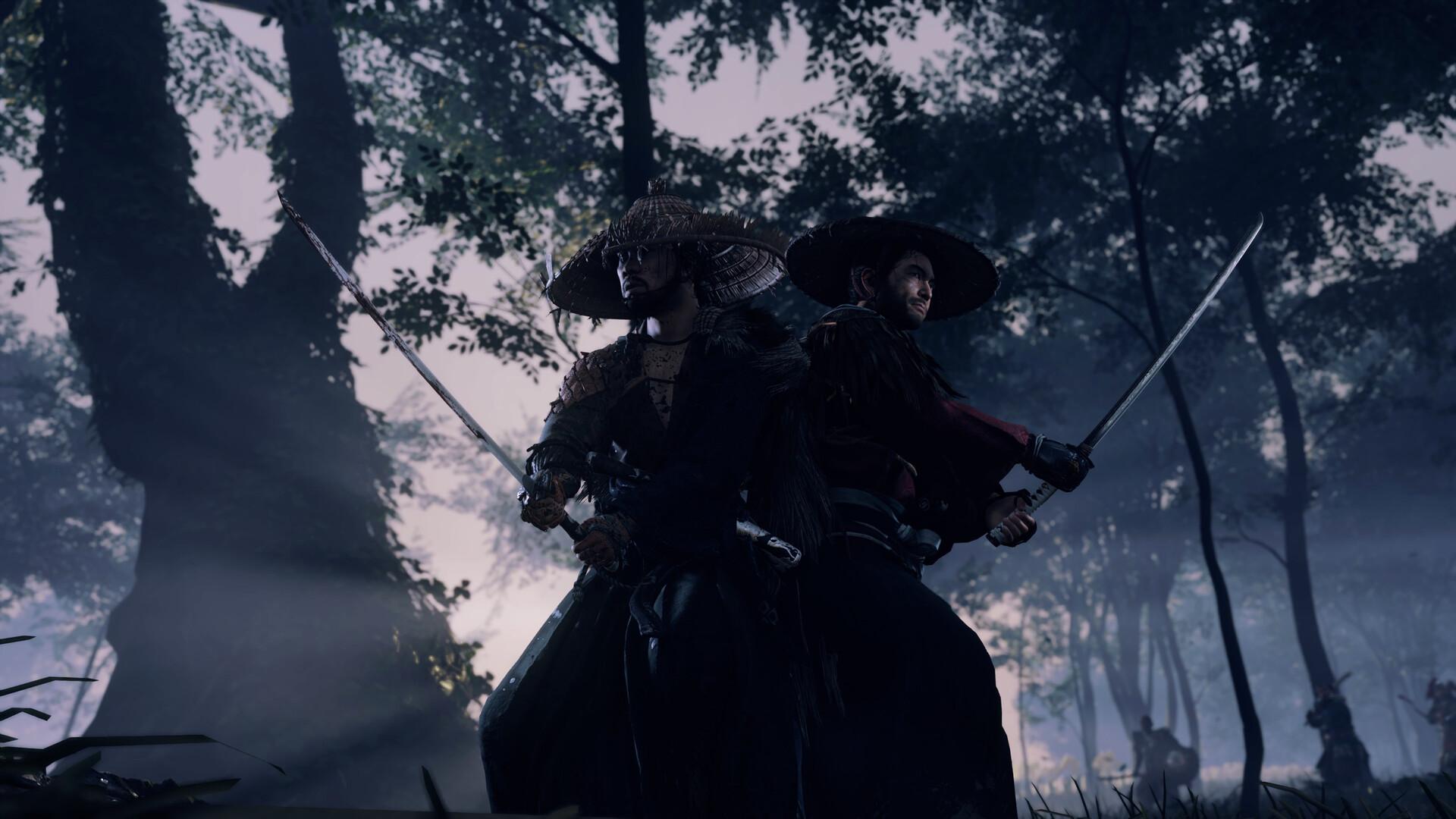
Ghost of Tsushima dazzled players back in 2020. A sweeping tale of honour, sacrifice, the beauty of nature, and Jin Sakai’s path from samurai to ghost. Since its release the game has become iconic, praised for its combat, its open-world design, its setting, and its cinematic quality. Now, Ghost of Yotei has finally launched on October 2, 2025. Developed by Sucker Punch, published by Sony exclusively for PS5, which begs the question, WHY? Ghost of Tsushima was a popular hit, even still translating its popularity to the 4-year later PC Port in 2024. Sony sure loves putting PS exclusivity on its games, but us as fans of the games, not so much. While it doesn’t continue Jin Sakai’s story directly, Yotei carries the spirit of its predecessor, more of a spiritual successor than a straight sequel.
So, what open world mechanics exactly have changed in the successor of the series? Is it world design, side activities, or customization? Let’s break them down.
What Big Open World Changes Are There in Ghost of Yotei?
Non-linear Gameplay
Back in Ghost of Tsushima, the story followed a clear path. You unlocked regions step by step, with Jin’s rebellion against the Mongols unfolding in a set order. Side activities gave you freedom around the edges, but the main story was still linear, you couldn’t just storm the final boss whenever you wanted.
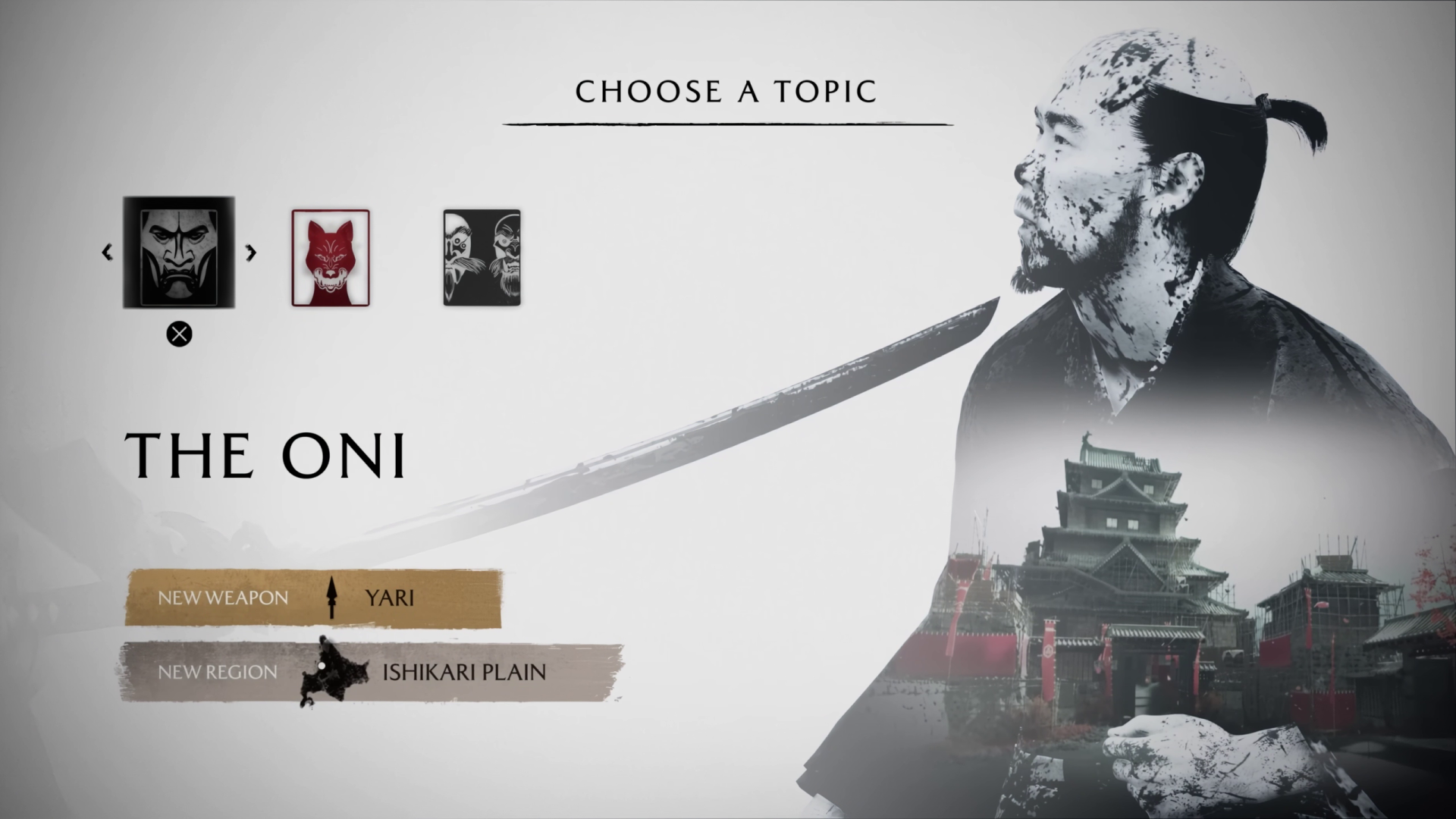
This is where Ghost of Yotei shakes things up. From the start, you’re free to choose which of the Yotei Six to hunt first. Each boss comes with its own region, and tackling them in a different order actually changes how the narrative plays out. It feels closer to Elden Ring than Tsushima, giving you that open-ended freedom to carve your own revenge path and decide when the finale comes.
Bounties
Now, when it came to mini boss fights in Tsushima, they were usually tied to scripted duels or story missions. The closest thing to mini boss challenges were Mongol camps and legendary ronins, fun in bursts, but this often felt more repetitive.
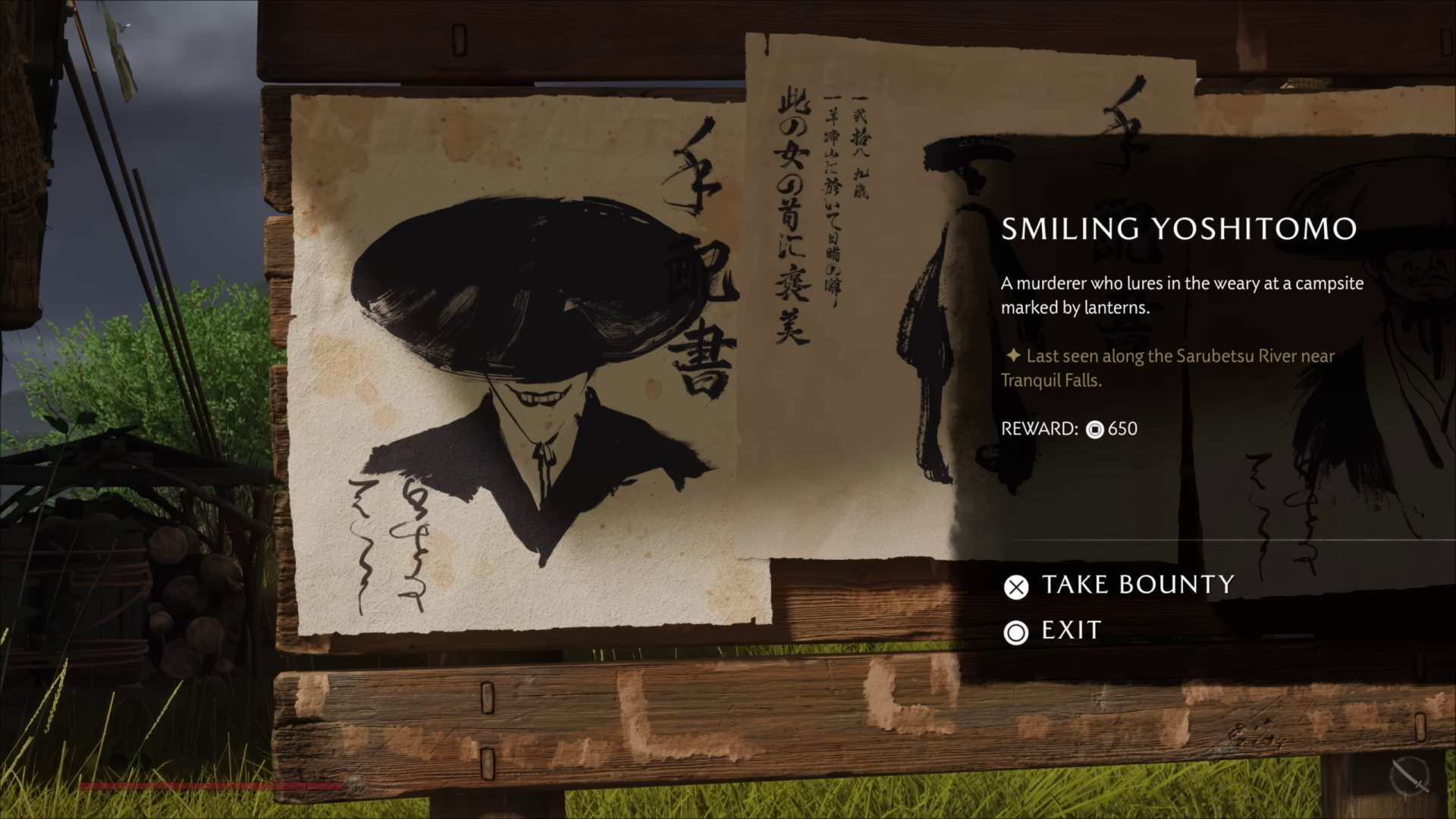
Instead of recycling that structure, Yotei layers in bounties. These act as mini-arcs: you storm through an enemy camp first, before finally clashing with a cinematic mini boss fight at the end. Sometimes you even get to fight the mini boss straight away And since bounties pay out in unique gear or money, or both, so the reward matches the build-up.
Speed Boost on Horse
Traversal in Tsushima was already stylish, thanks to the guiding wind, but the horse itself never changed speed. Long rides across the island could sometimes feel like a slow burn.
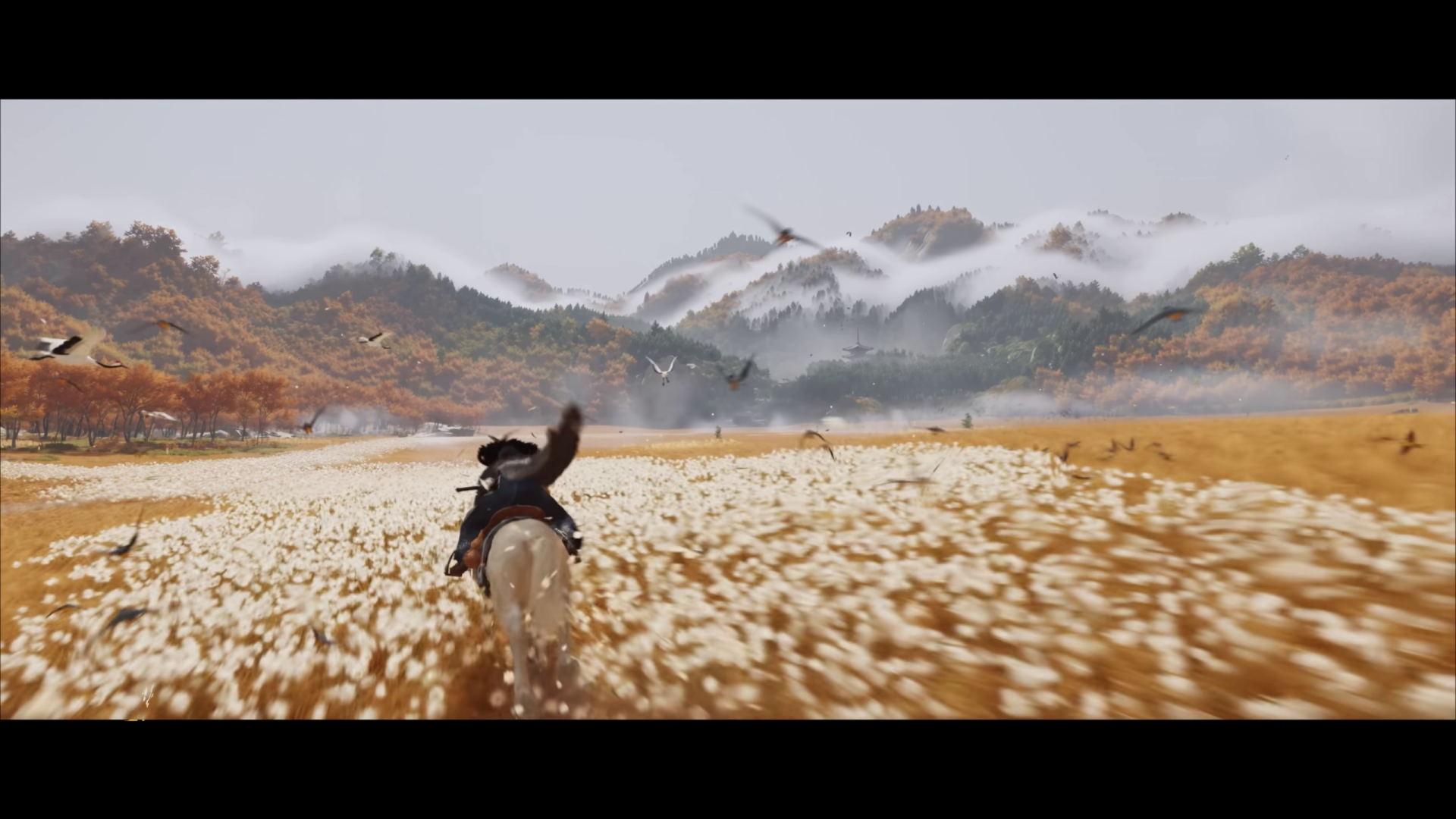
The new game spices this up with a playful detail: flower fields. Charge through a patch of flowers and your horse bursts into a temporary sprint. It’s not only a speed boost but a reward for exploring the open world landscape, making travel faster and more satisfying.
Weapon Selection
Combat in Tsushima was defined by stances. With only the katana and bow as your main weapons, the depth came from switching forms mid-fight to counter spears, shields, or swords. It was all about technique.
Atsu’s world plays by different rules. She has access to multiple weapon types, dual blades, spears, odachi. You can even snatch weapons from fallen foes for a temporary change, adding improvisation and personalization to every fight. And thanks to the new disarm system, the chaos cuts both ways: enemies can knock your weapon away too, forcing you to adapt on the fly.
Gear Loadouts
One of the small frustrations in Tsushima was gear management. If you wanted to change from stealth gear to heavy armor, you had to pause and dig through menus mid-mission, breaking the flow.
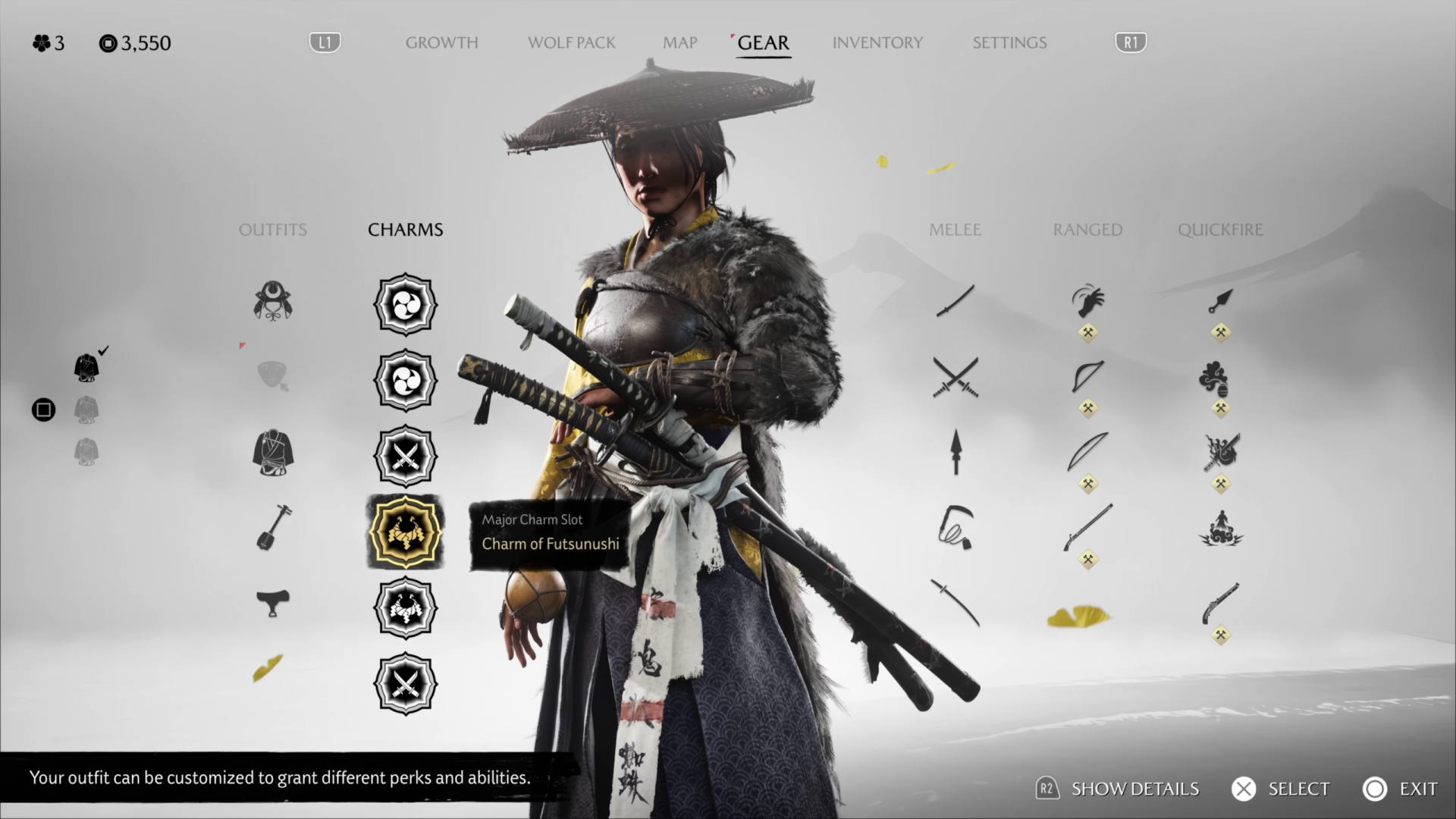
Yotei makes that process seamless. Loadouts let you create multiple builds, maybe a stealth kit, a duel setup, and an exploration set, and swap between them instantly. It’s a quality-of-life change, but it also encourages experimenting with different playstyles instead of sticking to one safe option.
Customizable Wolf Companion
Jin Sakai’s journey was a lonely one. Aside from his horse and occasional mission allies, most of Tsushima was spent solo against overwhelming odds.
This time, Atsu never walks alone. She’s joined by a wolf companion you can name, and customize with skills. The wolf can distract enemies, fetch items, or even attack on command. It makes the open world journey feel less lonely and more personal.
Music Guidance
One of Tsushima’s most memorable mechanics was the guiding wind. It replaced waypoints with a natural system that kept the world immersive and the HUD uncluttered.

Yotei takes that same spirit but channels it through Atsu’s shamisen. Play a melody, and the music subtly pulls you toward your destination. Each melody also directs you toward different types of points of interest too, transforming how you explore Yotei’s open world. So pay attention to which notes you play.
Spyglass
Finding points of interest in Tsushima was a passive and manual process, climb high, spot landmarks, or let golden birds guide you. It got the job done, but it didn’t give much to help the player afterwards.
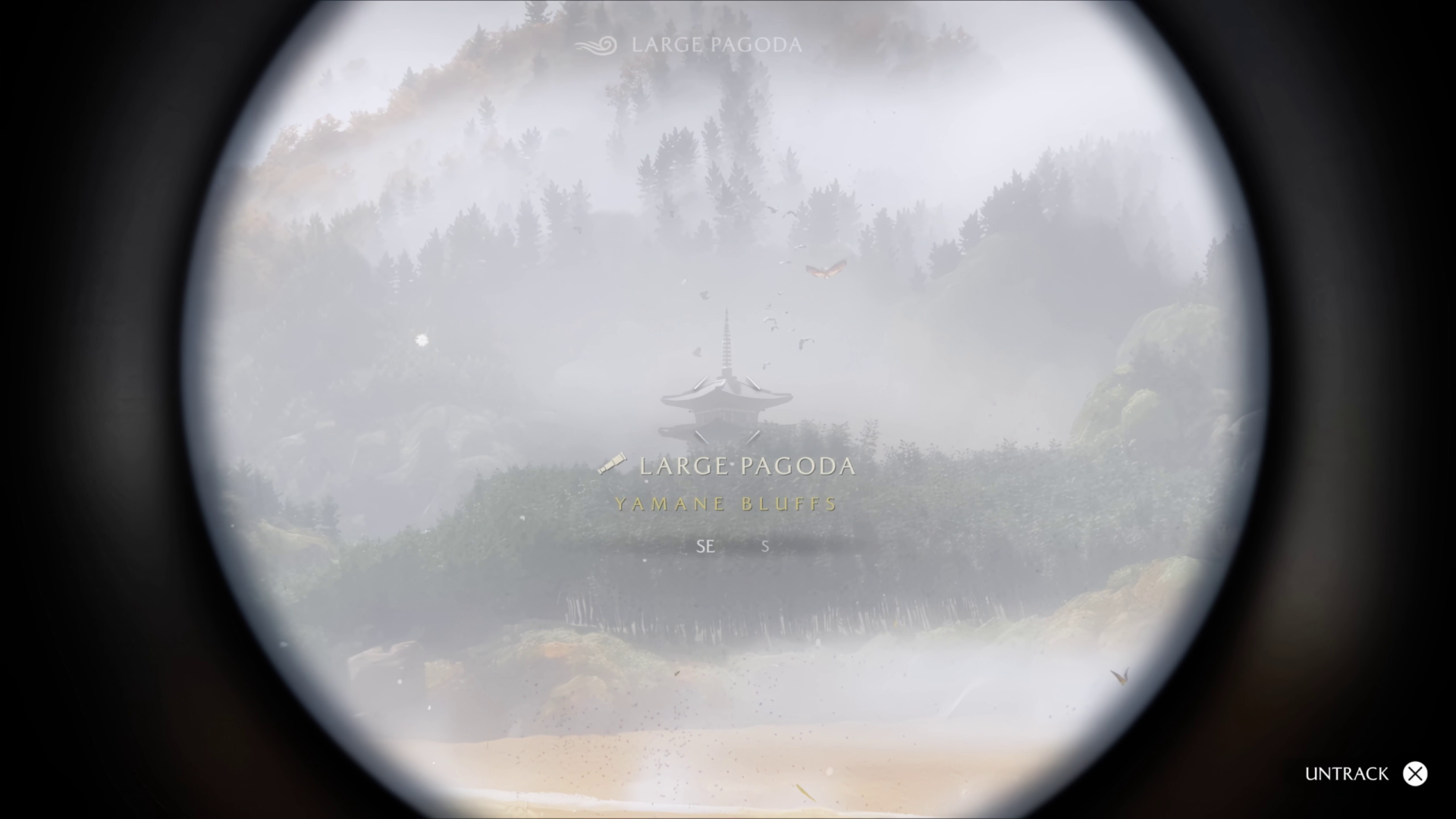
That’s where the spyglass comes in in Yotei. From a mountain peak or pretty much anywhere, you can scout the horizon, and it’ll automatically mark landmarks when you hover over one. It rewards climbing to high ground and makes exploration more strategic.
Camp Setup
In Tsushima, downtime wasn’t really a system of its own. You had hot springs that boosted health, bamboo strikes to increase resolve, and shrines for charms, but when it came to resting or crafting, you had to head back to settlements.
In Yotei, camps become an entire feature. You can pitch one nearly anywhere, then cook, craft, or even summon merchants and allies. In a way, camps branch into their own side activities, turning rest into another form of activity when you want a short break from the open world.
Conclusion
So to recap, what are the big open world changes that make Ghost of Yotei stand apart? We’ve got non-linear gameplay, mini-boss bounties, flower field speed boosts, a wider weapon selection, on-the-fly gear swaps, a customizable wolf companion, shamisen guiding, spyglass landmark scouting, and flexible camp setups.
On their own, some of these tweaks may seem small, but together they make Yōtei feel like a sharper, more refined Ghost experience, possibly even a worthy successor to Tsushima.
What do you think? Are these changes enough to put Yotei above Tsushima, or do you think the original still holds the crown?