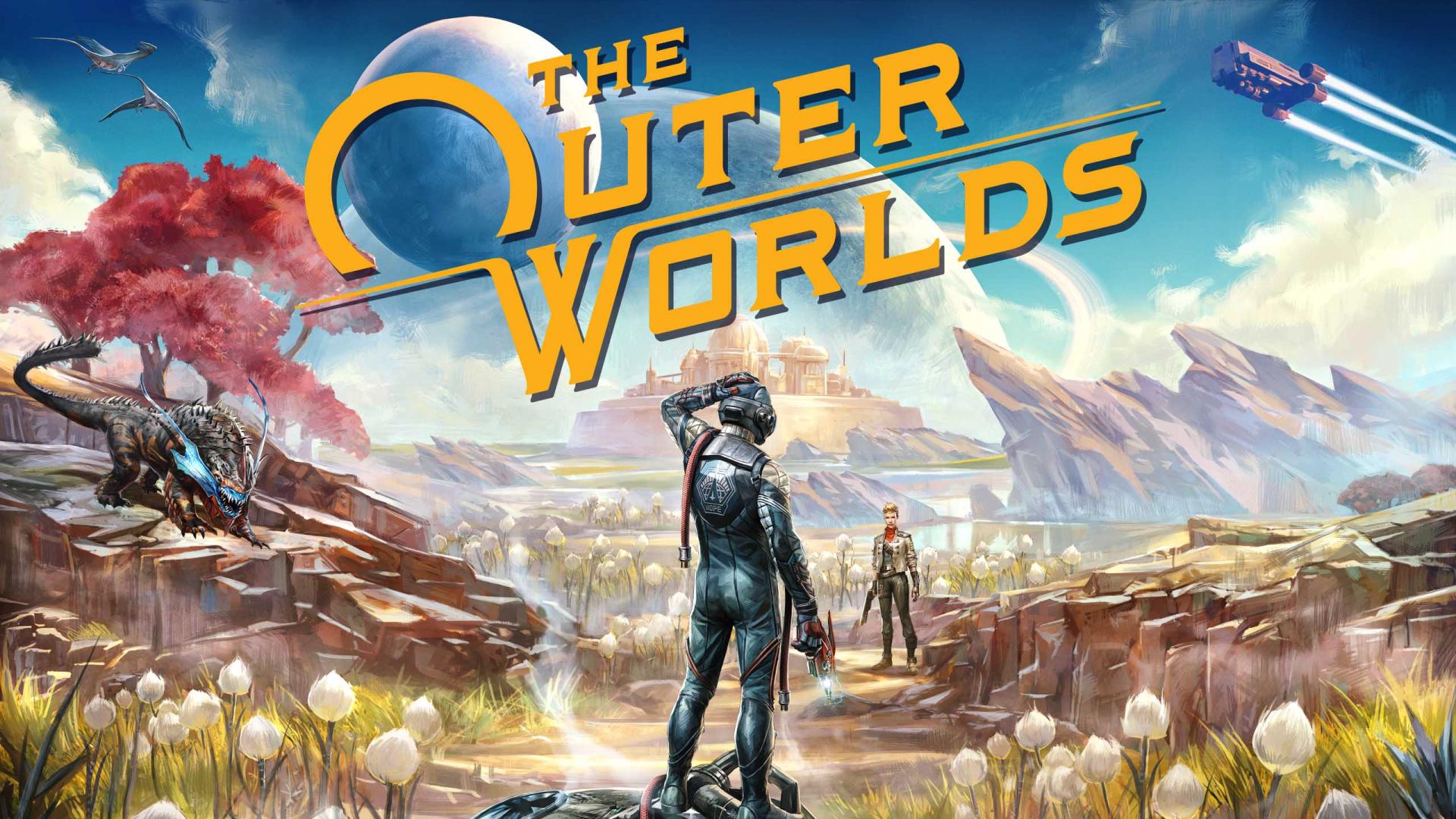
With both games now available, The Outer Worlds and its sequel The Outer Worlds 2, players have had plenty of time to explore the franchise and judge its design. The second game launched on October 29, 2025 across PC and modern consoles, expanding the series’ scale and systems.
Because of that, a common question keeps coming up among RPG fans:
Is The Outer Worlds series actually open world?
The Outer Worlds Series Structure
On the surface, both games appear to follow many of the conventions players associate with open-world RPGs.
Developed by Obsidian Entertainment and published by Xbox Game Studios, the series focuses heavily on exploration, branching dialogue, and player-driven storytelling. Each game places players in large planetary environments filled with quests, factions, settlements, and optional activities.
Within those areas, players can:
Explore large regions freely
Take on side quests and faction missions
Approach encounters through combat, stealth, or dialogue
Make choices that affect story outcomes
Inside those zones, the game definitely feels open. However, the way those worlds are structured is where the debate begins.
The Segmented World Design
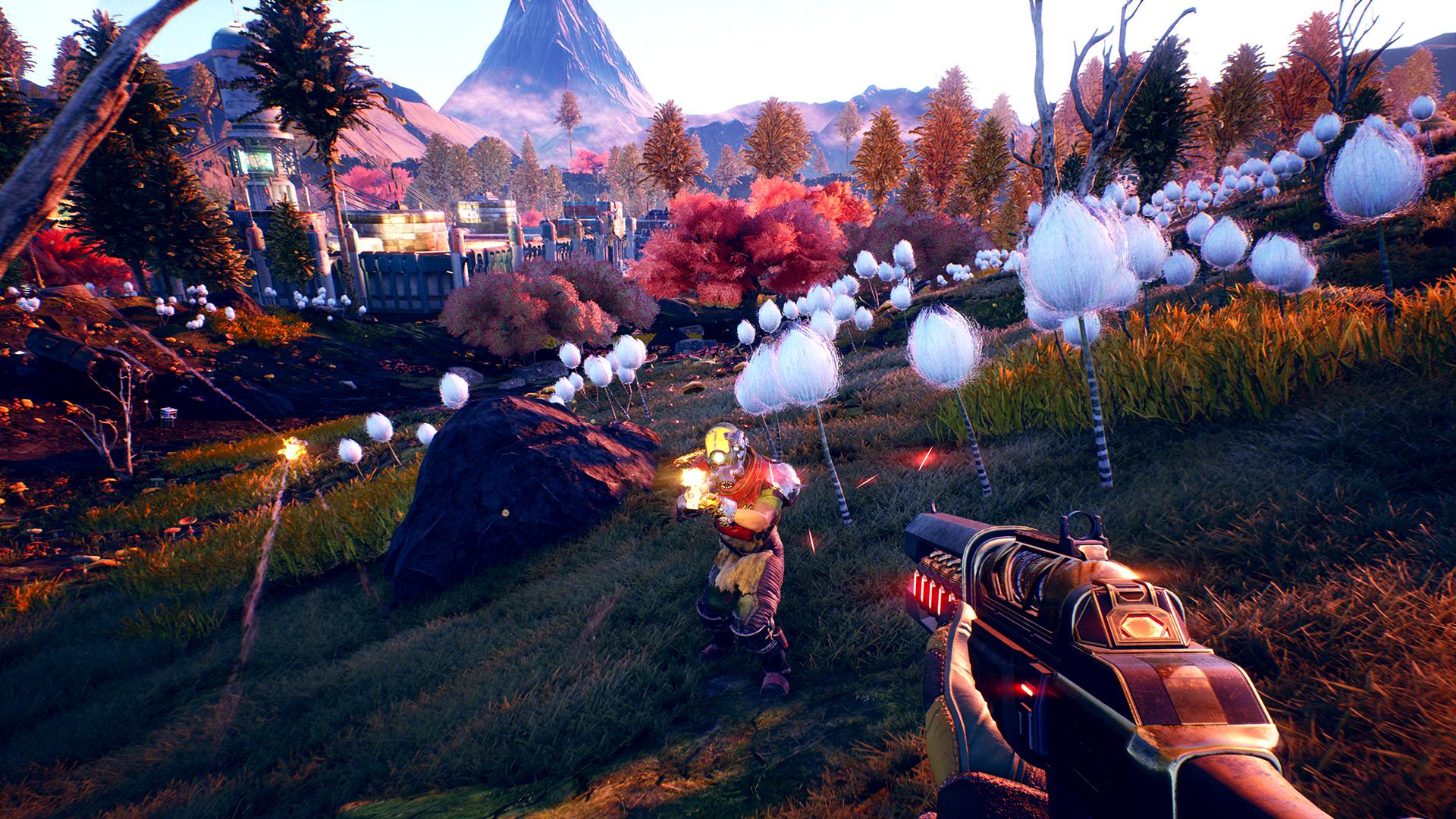
Both The Outer Worlds and The Outer Worlds 2 use a segmented planetary structure rather than one seamless map.
Each planet functions as a large explorable region, but it is still separated from other locations. Moving between planets always requires traveling through your ship, which acts as the main hub of the game.
In practice, this means:
Regions are separated by loading screens
Planets are independent zones rather than one continuous map
Traveling between worlds always requires returning to the ship
You can explore freely within each planet, but the worlds themselves never connect together into a single environment.
For players who define open-world games strictly as one massive interconnected map, this structure becomes a clear limitation.
Did The Outer Worlds 2 Change the Formula?
When The Outer Worlds 2 released, many players expected the sequel to shift toward a more traditional open-world structure.
The sequel does improve several aspects of the original formula. The zones are noticeably larger, environments feel more detailed, and there are fewer loading screens when entering towns or settlements.
These improvements help the game feel smoother and more immersive overall.
However, the core design philosophy remains the same.
The planets are still separate zones, and traveling between them still requires returning to your ship. Because of this, the world never becomes fully seamless.
The Hub Problem
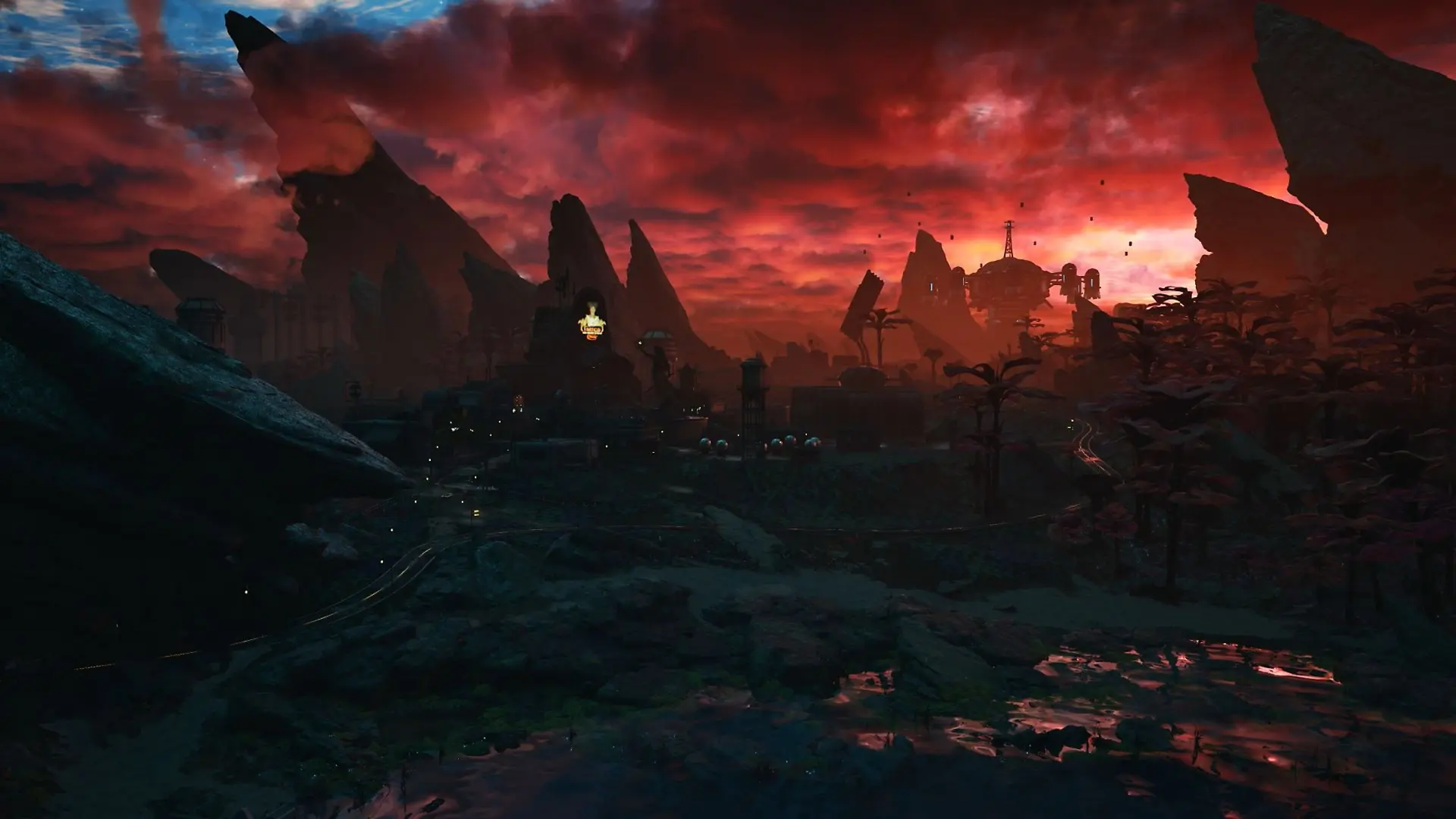
This structure also affects how the world feels over time.
Since each planet has its own contained storyline, players often complete most of the content before moving on. Once the main missions on a planet are finished, there is usually little reason to revisit it.
As a result, many towns and outposts end up feeling more like temporary pit stops rather than long-term hubs players frequently return to.
The ship essentially becomes the central hub connecting everything together.
And that’s usually the biggest argument critics bring up when debating whether the series qualifies as open world.
My Personal Take
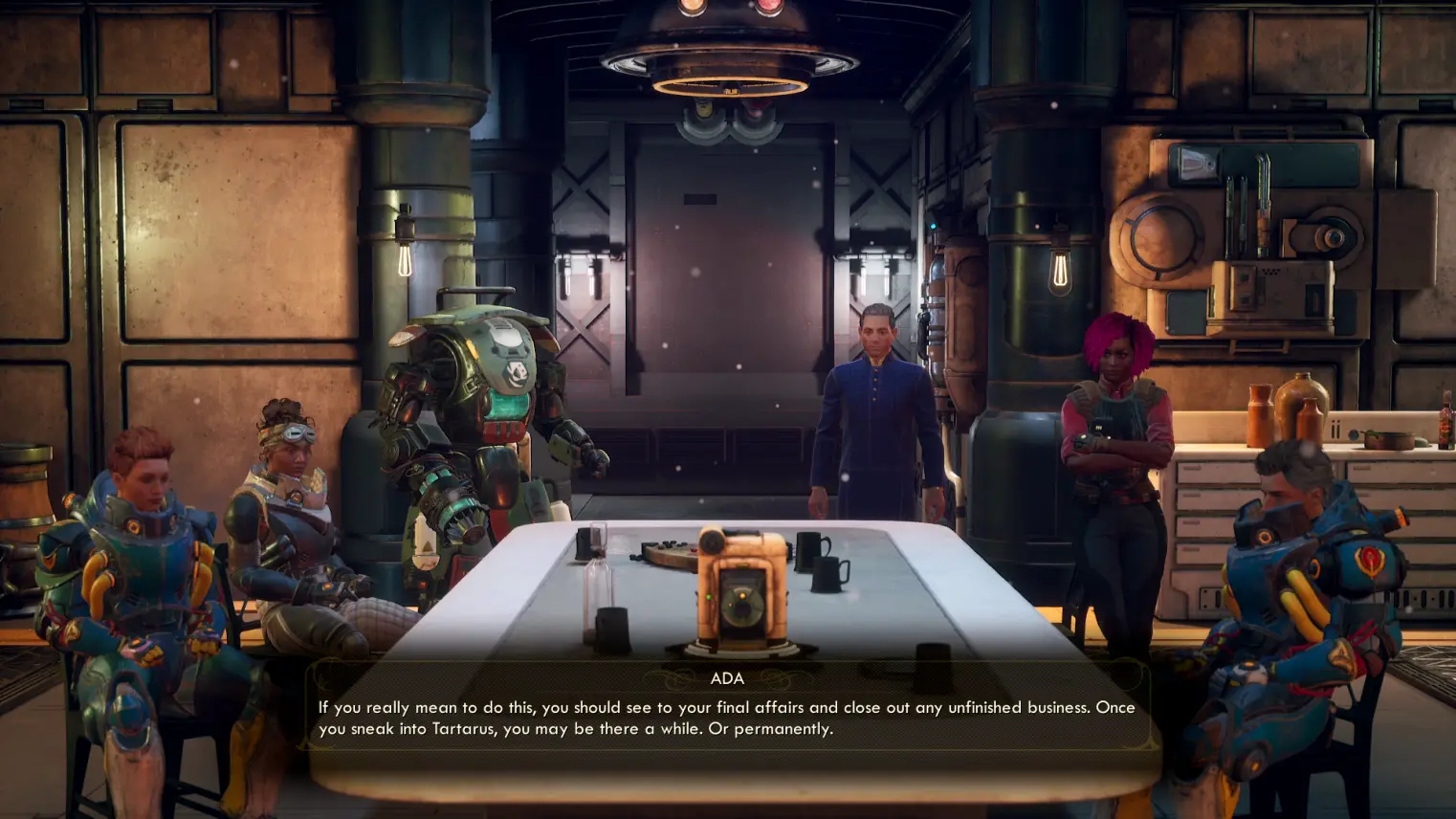
Personally, I think The Outer Worlds series lands squarely in the semi-open world category.
When you’re exploring a planet, the game absolutely feels open. There are multiple quests, hidden areas, and different ways to approach objectives, which gives players a strong sense of freedom.
But when you zoom out and look at the overall structure, the limitations become clearer.
Every location connects through a central hub rather than existing in one continuous world.
Because of that, the series never quite reaches the level of openness seen in fully open-world RPGs.