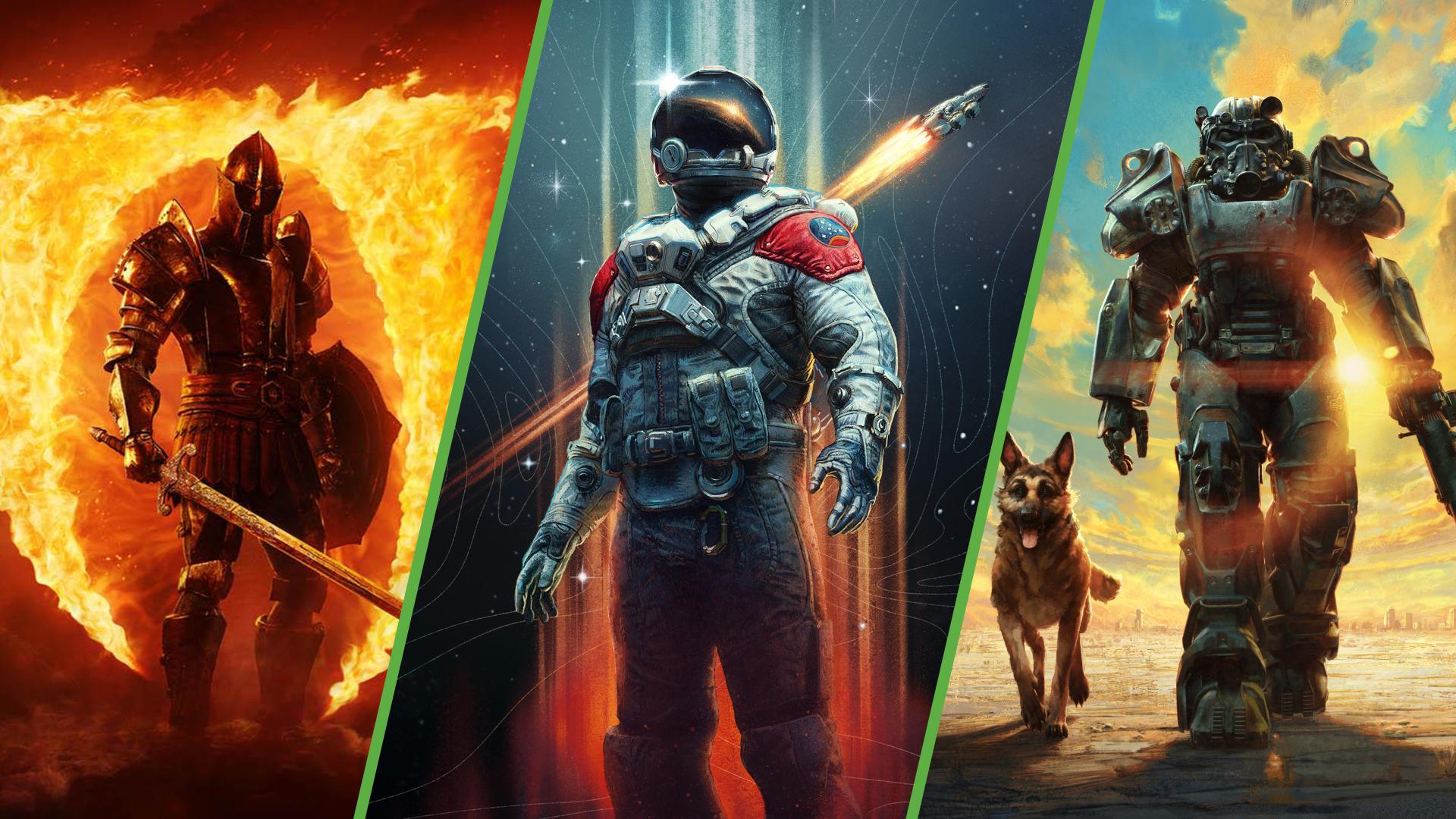
How does a studio go from defining a genre… to dividing its entire fanbase? How does the same team that gave us Skyrim also give us one of the most infamous launches in RPG history? For years, one studio defined what an open world RPG could be. And this meant massive landscapes, and the freedom to do whatever you wanted. When they were at their best, nobody did it better. But that very same studio also gave us broken launches and entire design shifts that made longtime fans question what happened. So how can one studio be responsible for both the greatness of Skyrim and the chaos of Fallout 76?
To understand that, we need to break down the formula that made them legendary… and the decisions that slowly pulled that formula apart.
Bethesda’s Golden Age
There was a time when saying “Bethesda RPG” basically meant you were about to lose 200 hours of your life and enjoy every second of it. I’m talking about Morrowind, Oblivion, and, of course, Skyrim. Three games across three different generations. Over the years, this studio has consistently been making some of the most loved and most meme-d upon RPGs of all time. They are a master at building worlds that feel like places you can actually live in. And yet, every time a new game drops, the same complaints pop up online: the bugs, the janky animations, and the feeling that for all their big ideas, these games are just… fundamentally, hilariously broken.
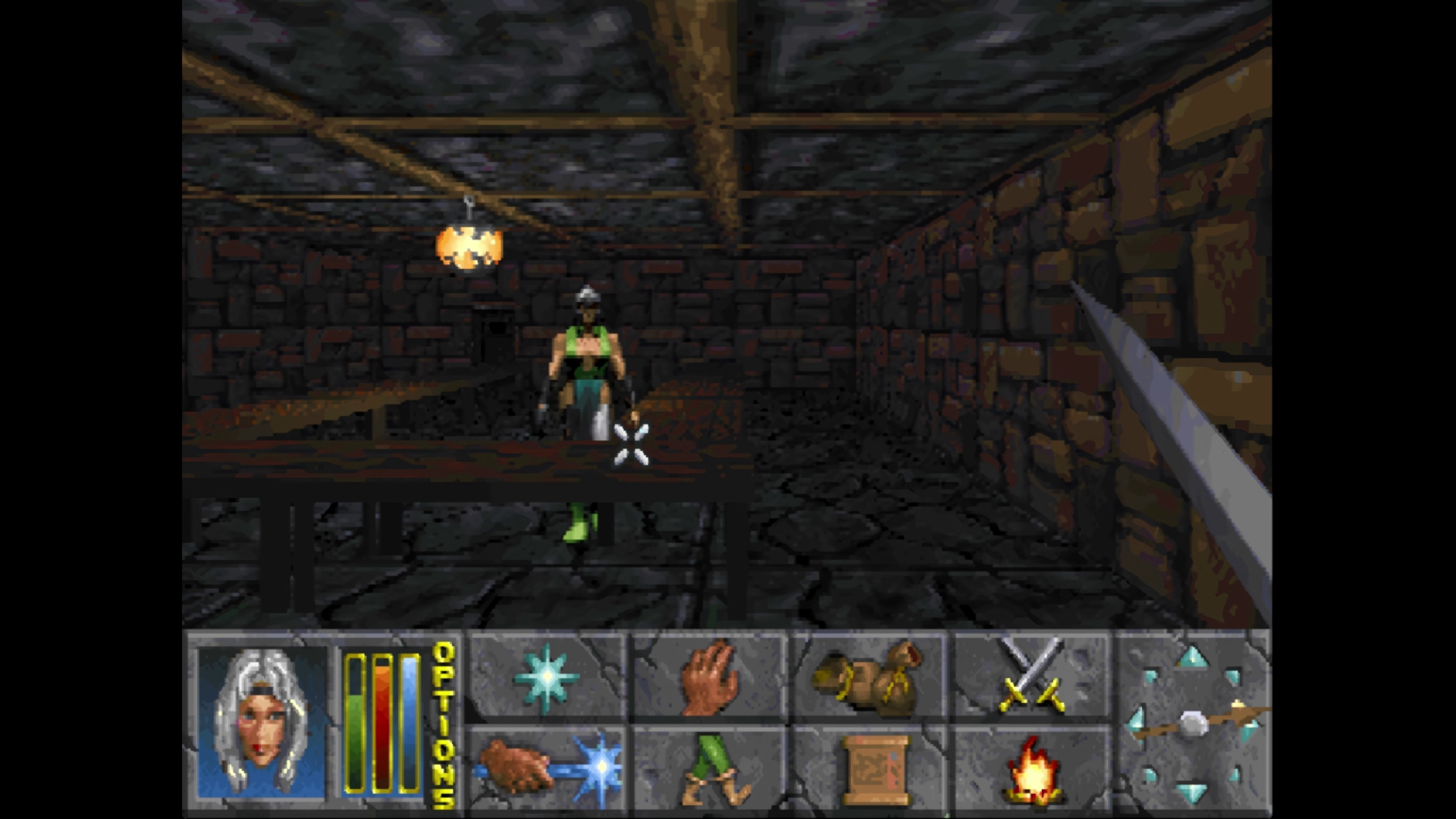
The Elder Scrolls series was the pinnacle of Open World RPG, the games gave us the freedom to figure out and explore the worlds. They started back in the 90s with The Elder Scrolls: Arena and Daggerfall but that game was more like a dungeon crawler, but from that, you were able to see the vision of the series. When Morrowind dropped, it became an iconic game on the OG Xbox. It feels like the first fantasy RPG that gives total freedom to explore. And they kept innovating after that. From The Elder Scrolls: Oblivion up until Skyrim. And you already know Skyrim has remained legendary after all these years, and is still considered one of the best video games of all time until now. They even re-released the game multiple times, launching it on every console that came out years after the original release.
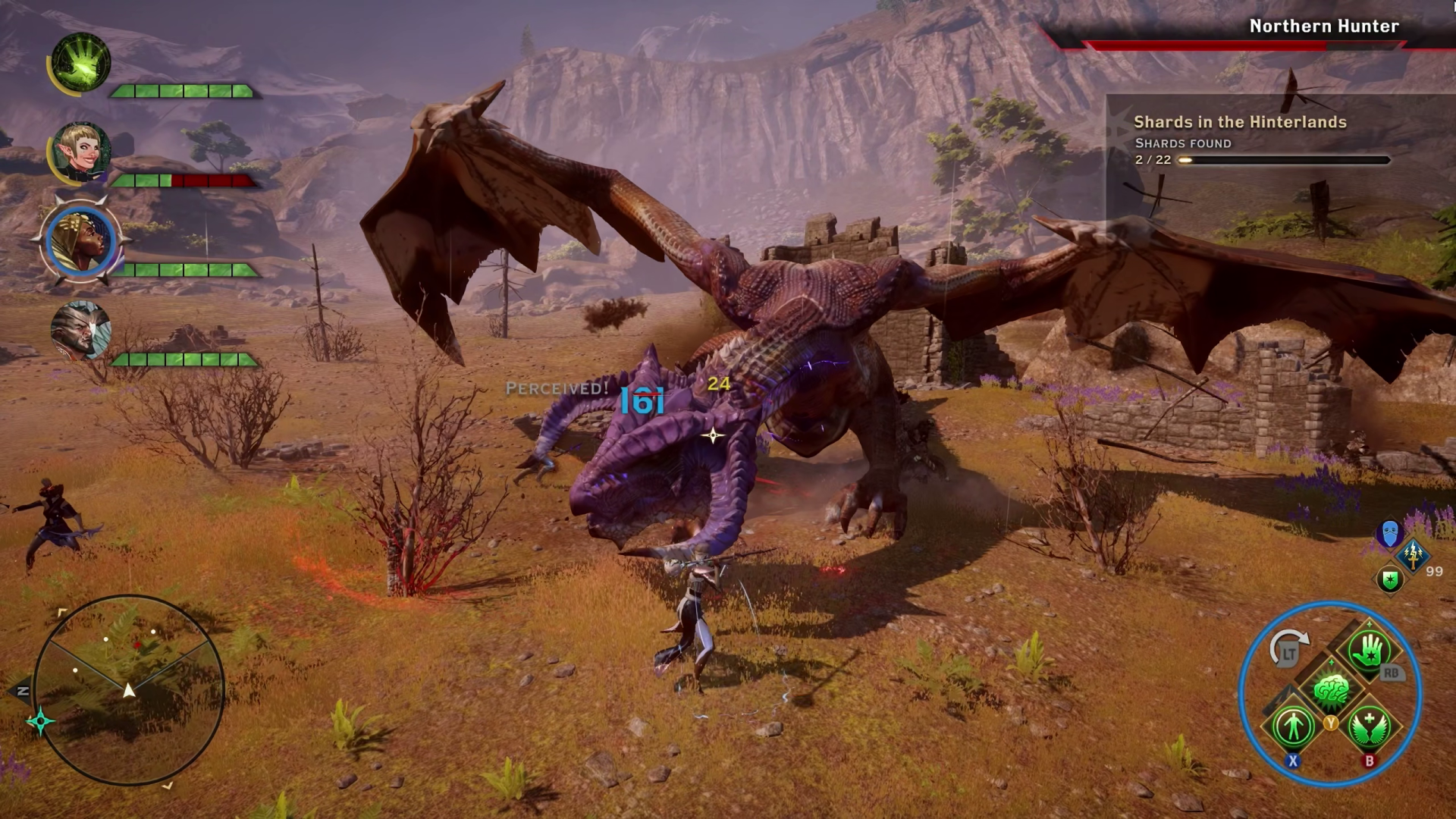
For many, this series was the definitive open-world RPG. They created the secret sauce to making open world games, creating a system that lets players create their own stories. And suddenly, everyone wanted that Bethesda sauce. You’ll probably know some of them too, games like Dragon’s Dogma, Kingdoms of Amalur, Dragon Age, and even The Witcher. Even games that didn't look like Skyrim structurally borrowed the same open-world logic. This meant a big map, factions, freedom first, and consequences later. Ultimately, Bethesda had built the universal blueprint for open world games. But with how their recent games have felt lacking nowadays, like Starfield, made their games become mid at best.
The Turning Point
So, where did it start going downhill? I’d say… about when Fallout 4 was released. On the surface, Fallout 4 looked bigger and better. Well, at least on the trailers it did. And while it had better gunplay, better visuals, and even a fully voiced protagonist, it felt like it was missing what made Fallout… well Fallout. But on the bright side, at least we get cinematic dialogue right? To be honest, I have no problem with a cinematic dialogue as long as it’s done well, well in a way that leads you to different paths of the story, essentially that Bethesda freedom we all know and love.
But Fallout 4 seemed to have massively simplified and almost completely got rid of this, because no matter what choice I made, it felt like the story was gonna end up there anyway. This was so obvious when you were only picking from 4 super vague dialogue options, which were basically Yes, Sarcastic Yes, No, but Actually Yes, and a question that leads to Yes. Basically, there’s not much difference in the outcome, and having played the older Fallout games, this was a massive downgrade.
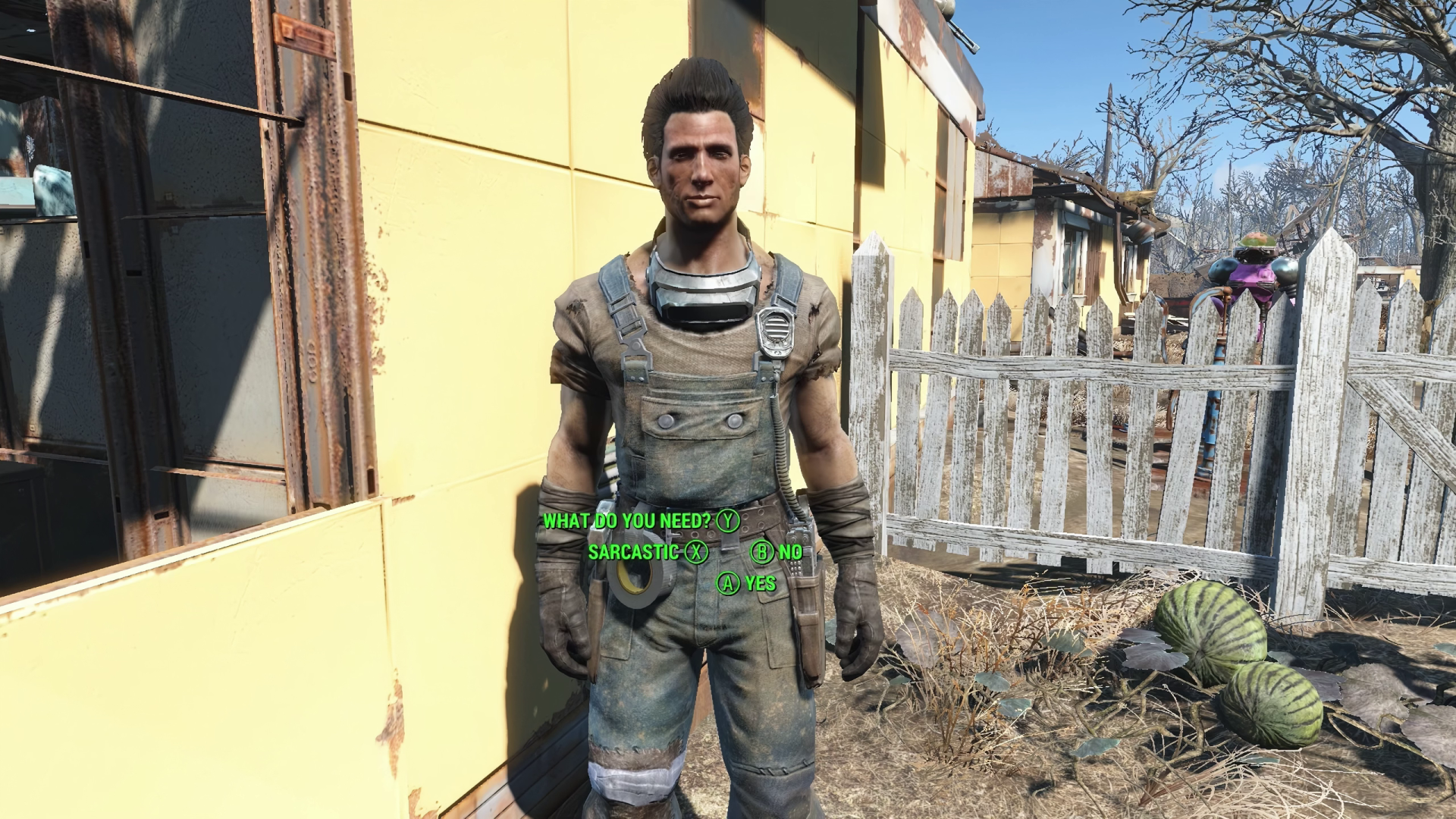
The roleplaying felt like it was just placed in a corner and told to just sit there, while this guy called Nate, AKA the character you play as, takes the driver’s seat most of the time. They simplified a lot of things in the game, including the perk system that was combined with the SPECIAL stats, factions also becoming more vague, and the quests that were practically just reused fetch this and fetch that type of thing. And what exactly was the point of building settlements? I mean, personally, I would’ve just built 1 bed in the sanctuary and moved on. This stuff just diluted the main story, which, considering your son was kidnapped, didn’t really make sense to have.
And it actually gets worse with Fallout 76, at least when it first launched. And as much as I love to talk about open world games, this game was no short of a disaster. To start off, you can’t even play this game offline, for some that wasn’t a big of a problem, some actually enjoyed being able to play “Fallout” online with their friends, but for someone like me, who just wants to enjoy the wastelands solo without having to wait to connect to any servers, it already made me doubt if I actually wanted to give it a go.
And to be fair, that doubt was valid, because the game had an absolutely broken launch… with a ton of game-breaking technical issues, performance failures, and fundamental engine bugs, which wasn’t a good start to say the least. Even rumors saying that the code was a 1-to-1 import of Fallout 4, that alone wasn’t a good look for Fallout 76 at all. And while Bethesda’s older games had their fair share of bugs, even some becoming harmless memes, it was never THIS BAD.
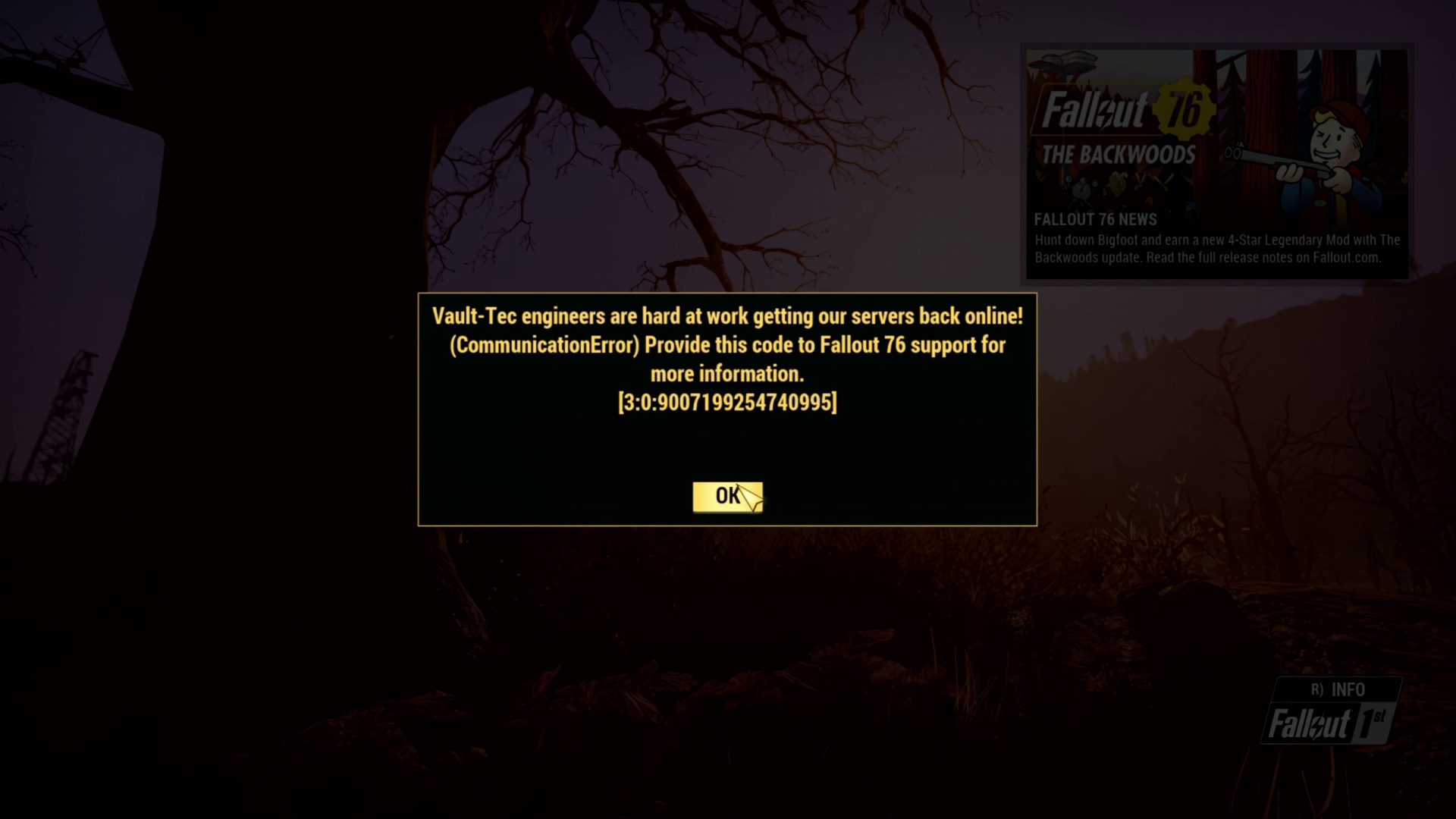
What made matters worse was that the game also simplified the perk/SPECIAL system like Fallout 4. The game even lets you start at level 20 and gives you a preset build plus starting items, which made me think, are they intentionally trying to dumb down the RPG mechanics? They did eventually fix most of the issues they had at launch, though, BUT it still left a big mark on Bethesda’s reputation. People started questioning the design decisions of their games, which felt completely disconnected from what people loved about their games in the first place. So it begs the question… did Bethesda really just forget their own formula?
Deconstructing the Formula
To understand why this matters, we need to look at what actually made Bethesda games so special. It all started with their Creation Engine. Yes, it is janky. Yes, it is old. And yes, it is kind of held together by duct tape and said to be a “feature” of their games. And sometimes, the jank takes over, and you might just come across a bug you might not expect. But it does something almost no other engine does at this scale, and that is that everything is an object. You can pick up plates, books, weapons, and bodies. You name it.
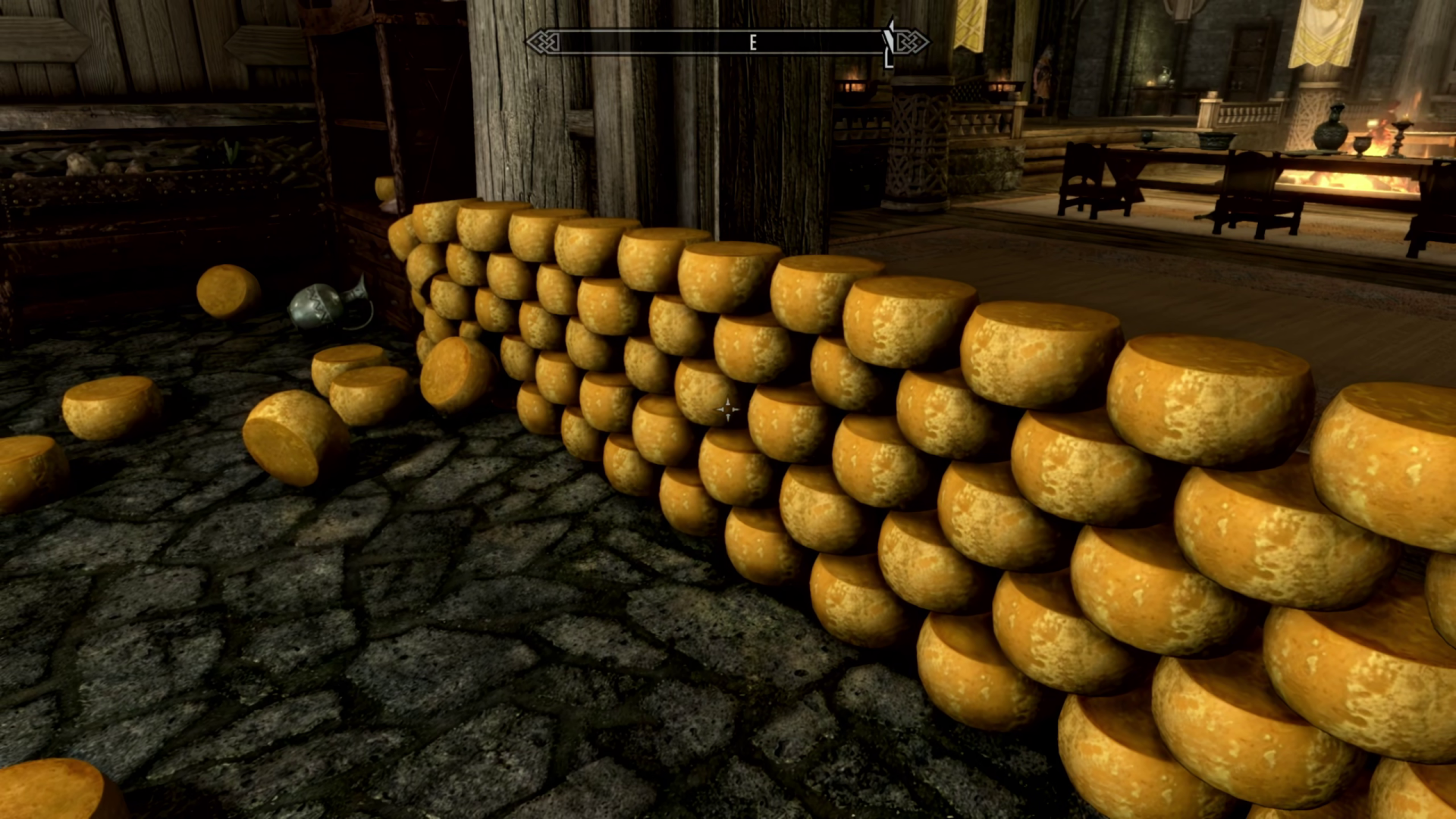
What made Bethesda’s formula so great to begin with wasn’t just that, though. Their maps had a modular level design, which, for the scale of Skyrim’s world, makes complete sense. Skyrim has hundreds of dungeons. Even with that, Skyrim’s dungeons, for the most part, still felt handcrafted, which, to be fair, they were, well, sort of. The first dozen dungeons felt like they had unique layouts. What you’ll realize is that their dungeons uncover certain stories, and even start some new ones. It had this environmental storytelling in a way that only a few games can replicate. That, on top of the cool stuff you know you’ll find in the dungeons, is mostly what keeps you going, at least for me. But this didn’t come with its drawbacks, because, even with all of Skyrim’s greatness, by dungeon number forty, you start putting the pieces together. You realize that some of the dungeons have the same rooms, assets, and puzzles, but just rearranged to make you think you’re exploring a “new dungeon”.
But then Bethesda tried to scale it up, and oh boy can I just say that probably wasn’t the best choice. They did this to Starfield. Imagine the same modular logic from Skyrim, but applied to thousands of planets. And as you can probably guess, if it didn’t go so well for Skyrim, then it probably wouldn’t go well for Starfield either. Skyrim dungeons were relatively small and easier to fill with something in between, but a huge planet? The modularity starts to show its problem with the content inside it feeling just like any other planet, making it feel copy and pasted.
Compare that to something like Elden Ring, where every hill you come across, every dungeon you dive into, and every shortcut you decide to take feels new, and, more importantly, filled with stuff that’s genuinely exciting to come across. What I can say is that the game is smaller compared to Starfield, but when all the content inside it brings a fresh experience, it definitely feels richer.
To top off the Bethesda Formula is the freedom that you get in their games. Bethesda is infamously known for its RPG freedom. The skill systems in Skyrim and Fallout 3 were nothing short of great. It ultimately lets you build any sort of combination of skills in the game, and they did it through you just using those skills. You actually had to swing your sword for dozens of hours in the game before you’d reach 100 in the one-handed skill category. You can pretty much ignore the main quest entirely and still be knee deep in multiple different factions. Like this side quest from Skyrim here… which I ultimately chose to spare the not-so-innocent-looking villagers. And the beauty of it is that you can choose to join all of them if you want to, but not without some choices that may change how your future with the factions goes.
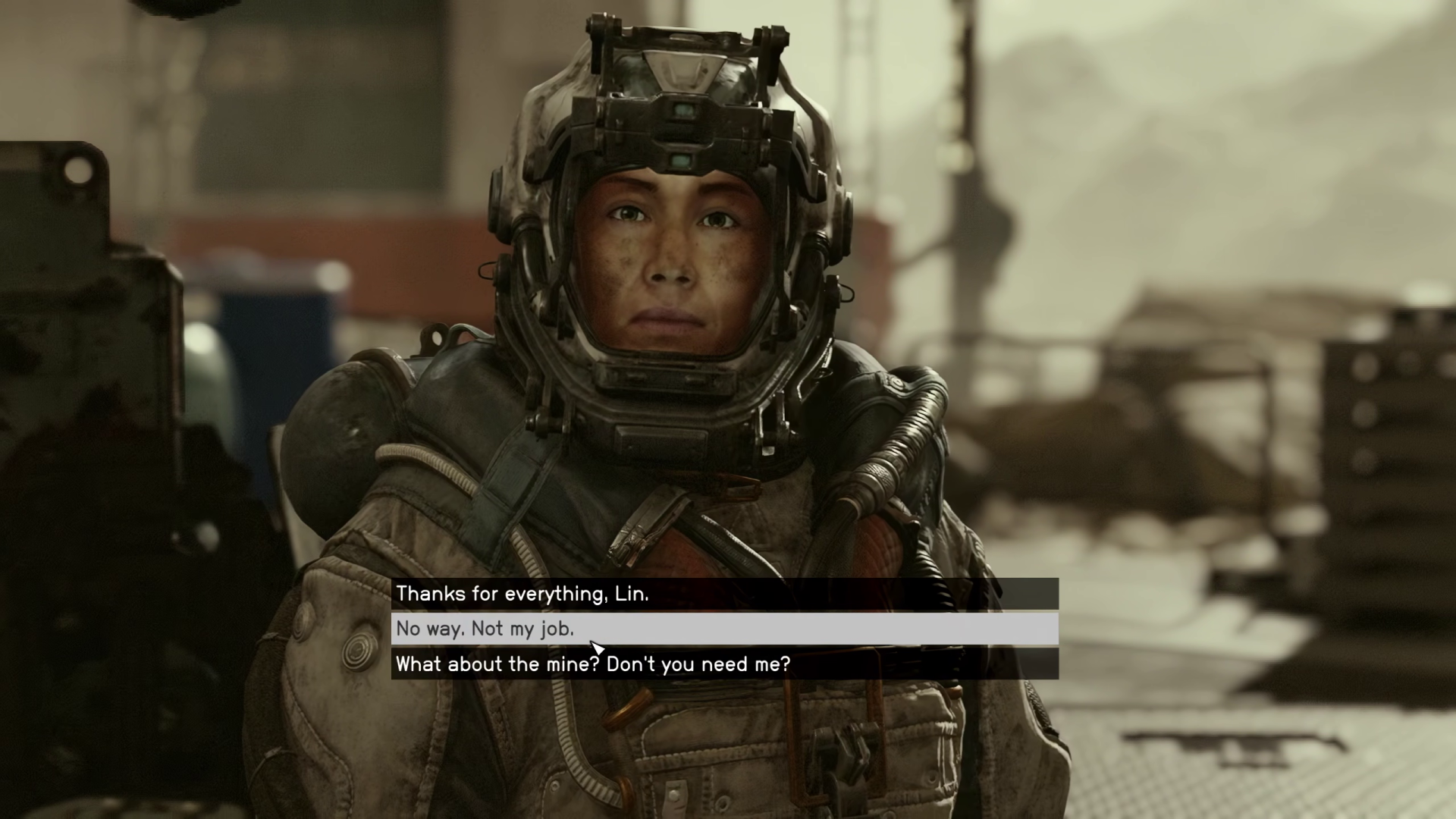
Again, though, that kind of freedom faded away as time went by. Fallout 4 simplified the freedom by combining the multiple skill systems into one. Starfield gave you choices, but most of them funnel into the same outcomes, which was what we saw in Fallout 4 as well. So it gradually strayed away from the authentic Bethesda experience as time went on, and it mostly became purely just choosing dialogue, without actually changing the direction of the game.
It’s kind of sad, really. To see a game studio that was at the very top for a time struggle to hold together what made them so great.
An Unavoidable Trade-Off
Anyway, where were we? Well, for what we know, Bethesda games were ambitious to say the least, that ambitious game design wasn’t simple. There is no magic switch Bethesda can flip to fix everything without losing something in return.
Total freedom sounds amazing on paper. And when it works, it feels incredible. Being able to pick up anything, go anywhere, and completely ignore the intended path is why people fell in love with these games in the first place.
But the moment you give players that much freedom, quality control becomes a nightmare, and this shows up quite a lot in their games, too. Their games come with jank and bugs, stuff that can break the simulation. I mean, just look at this… but it was also things like this that were the reason why Bethesda games were fun to play with, as well, on top of the freedom it gave, of course.
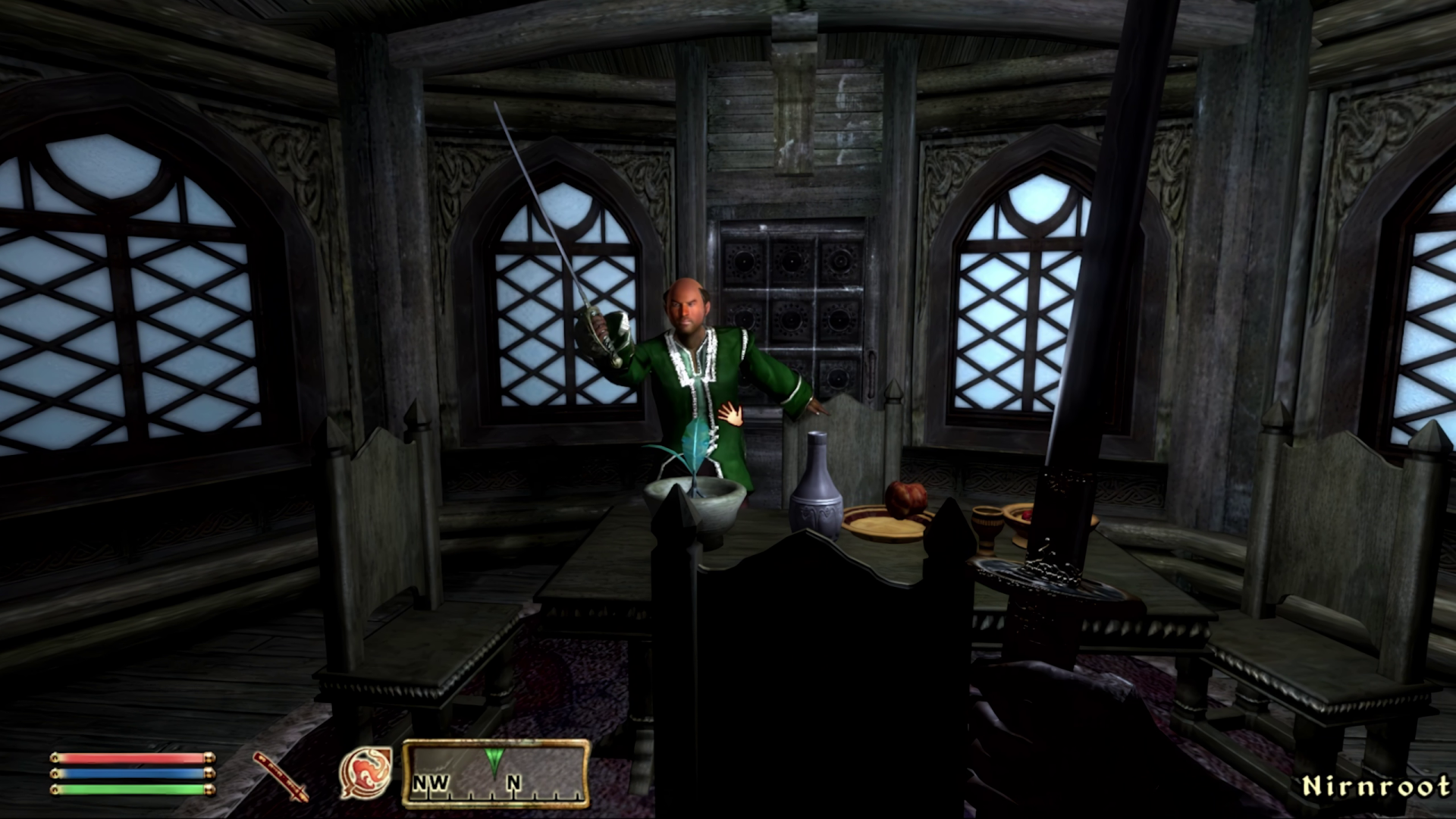
The point is, the massive scale of their games came at a cost. Skyrim was big, but it was still manageable to some extent. Their world was still dense and designed well enough to keep things exciting even after a few hundred hours. But that cost was clearly visible in Starfield, which was enormous in scale. And filling that space meaningfully for every planet is borderline impossible. So repetition became inevitable here.
And you already know Bethesda were great for their RPGs. Who doesn’t love a well designed RPG system? But sadly, they have their own problems too. Deep role-playing systems are amazing. You can make your own choices, take certain paths, and even get some real consequences from the choices and paths you decide to take. But in a massive open world, those systems create friction. If your choices are too strict, players get locked out of content. If consequences are too harsh, people feel punished for experimenting. So things get softened. And this is where we start to lose the RPG magic. Because you’ll see that some choices end up with the same outcome, and that makes you feel like your choices don’t really bring any changes at all.
Bethesda has always been negotiating between freedom and stability, scale and detail, accessibility and depth. And to be fair, for years and years, they absolutely nailed it. The jank was charming because the freedom was unmatched. The repetition was tolerable because discovery felt powerful. But as the industry moved forward, their balance started feeling a bit off, and maybe that’s why their games haven’t been as popular as their classics.
Conclusion
So, for what it’s worth, Bethesda’s story is one of insane ambition and stubborn consistency. They built a formula that defined a generation of open-world games. And they have been refining, stretching, and sometimes maybe even breaking that formula ever since.
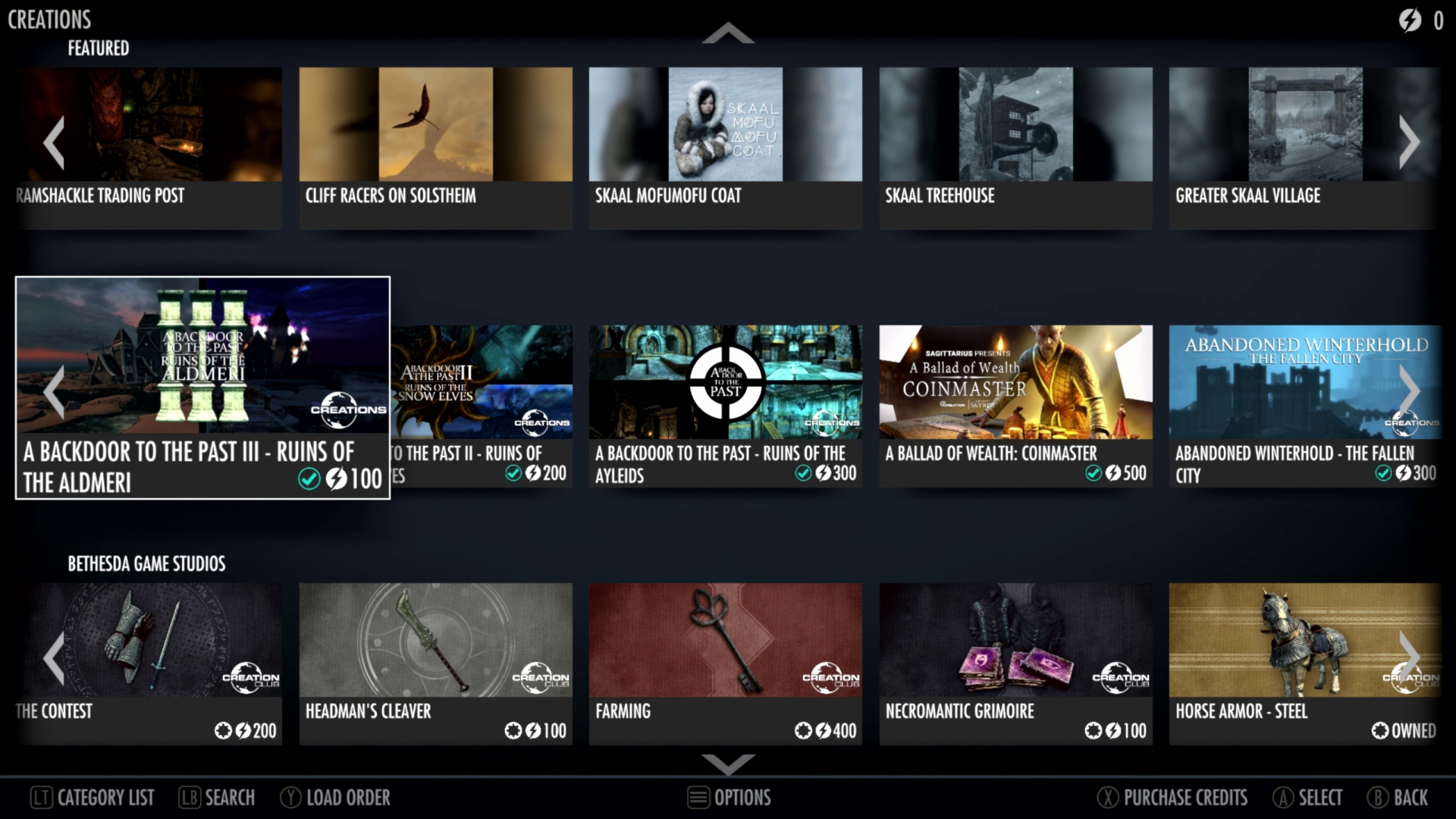
But in all the years, one thing has stayed the same. Bethesda games have always been moddable, and they’ve always embraced it. Bethesda has consistently provided mod support for all of its games, which is probably what kept their games alive until now. The possibilities of what the community could do with mods are endless. It ranges from mods that simply improve the visuals, all the way to mods that actually change how the game works. Simply put, you can mod almost anything into their games, and that’s what has always made their lineup of games have a loyal playerbase even today.
Now the real question is simple. Will The Elder Scrolls 6 evolve that formula the way modern open-world games have? Or will Bethesda double down, embrace the jank, and give us another beautifully broken moddable utopia like Skyrim? Honestly… either answer is kind of terrifying. And kind of exciting. Because whichever way they go, you know the Reddit community is going to go bonkers either way.