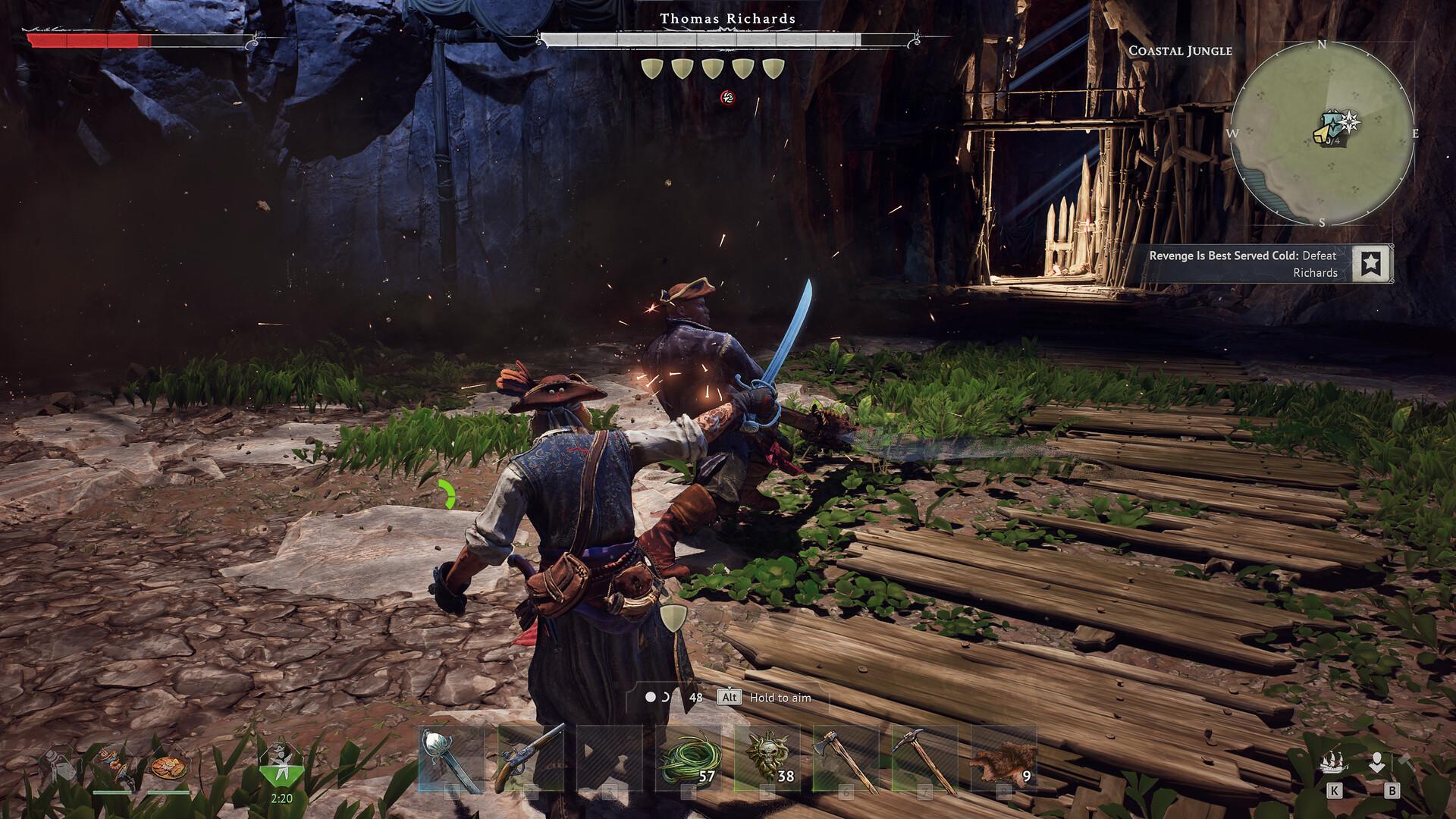
The 2026 gaming market has reached a definitive structural inflection point, signaling the exhaustion of the “AAA” or "AAAA" live-service model and the rise of agile, high-impact indie development. The most visible casualty of this sea change was Ubisoft’s Skull and Bones, a project that consumed ten years and over $850 million in capital only to see its valuation collapse with an 85% price drop within six months of launch. In stark contrast, Kraken Express leveraged a community-led development cycle to produce Windrose. By prioritizing a lean, iterative "Kraken Express" methodology, they successfully captured the market share that bloated corporate giants have failed to secure, fundamentally altering the unit economics and player-retention architecture of the maritime genre.
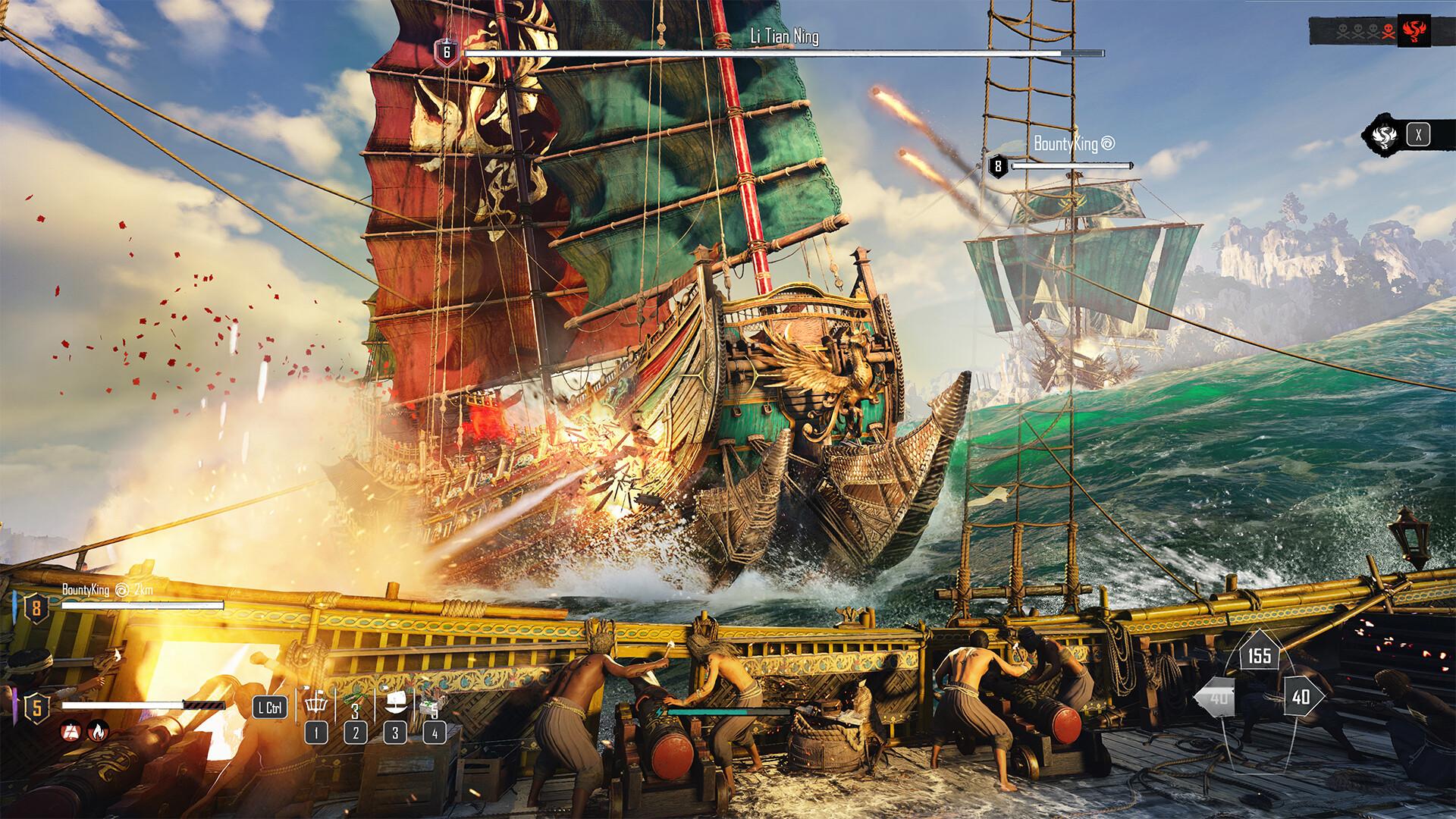
The Asymmetric Threat: Market Disruption and Value Propositions
Windrose feels like a perfect example of how smaller teams can outplay big-budget studios. While some AAA games struggled to even hit 2,000 concurrent players on Steam, Windrose exploded past 222,000 at its peak. Players don’t really care about massive budgets or flashy branding if the game just isn’t fun. Ubisoft’s whole “AAAA” label, pushed by Yves Guillemot, kind of backfired here. It ended up feeling like too many people working on the same thing, losing sight of what actually makes a game enjoyable. Meanwhile, Windrose’s smaller, more focused team managed to sell a million copies in just six days. That’s not marketing magic. Pricing played a big role too. At $30 (with a small launch discount), it was an easy buy compared to $70 games loaded with monetization. That lower barrier made it easier for players to jump in, and once they did, word spread fast.
On the gameplay side, the shift away from being stuck to your ship makes a big difference. This mechanical freedom serves as the foundation for the game’s broader architecture of character agency.
Beyond the Helm: The Architecture of Character Agency
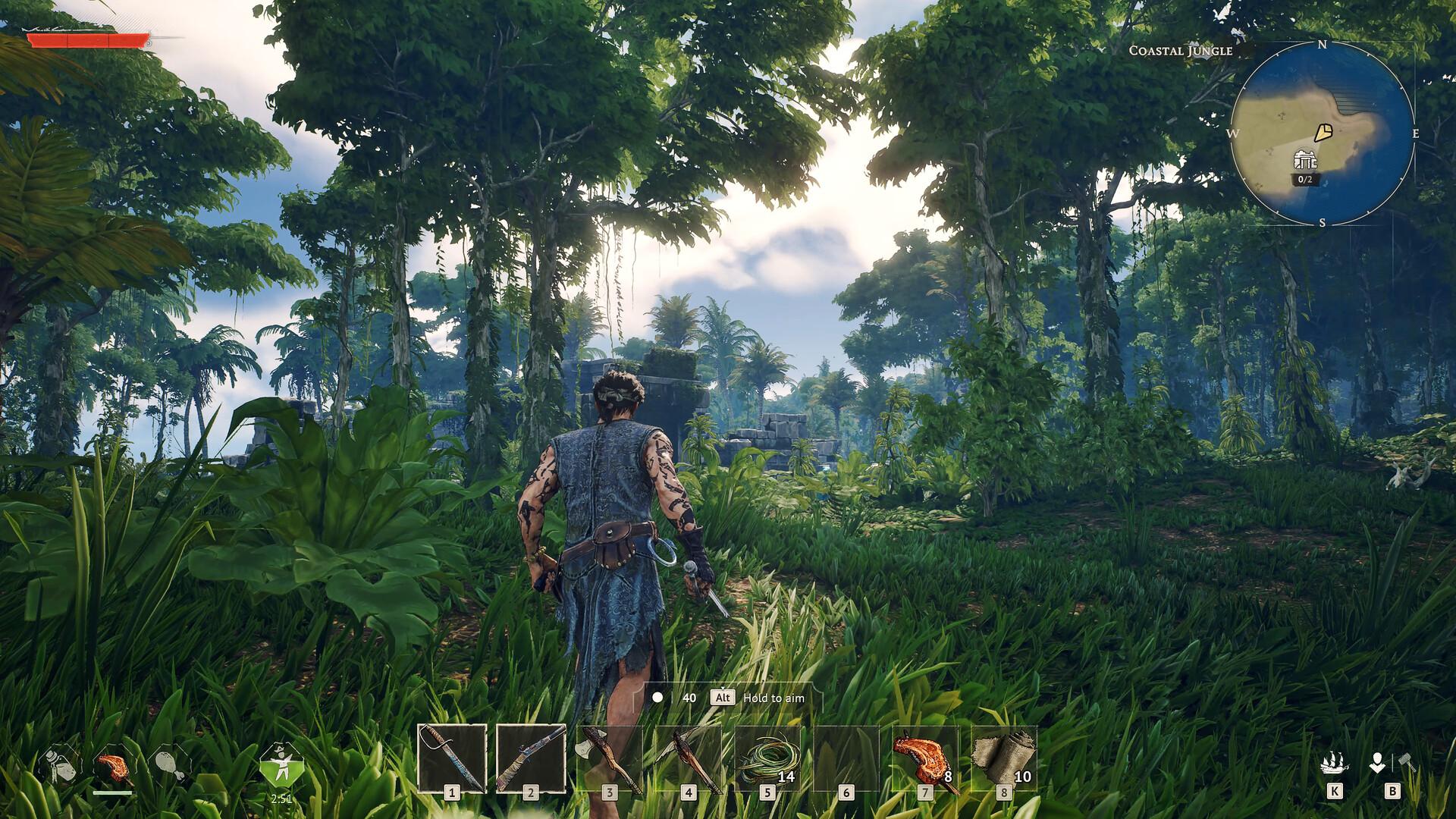
What really sets Windrose apart is how it refuses to lock players into just controlling a ship. In most naval games, you’re basically glued to the helm, and everything revolves around sailing. Windrose breaks away from that by letting you smoothly switch between sailing and exploring on foot. That shift might sound small, but it completely changes the experience, it turns the game from a simple ship simulator into a full-on survival adventure. Instead of just playing as a captain, you’re living out the entire pirate fantasy.
This architecture is supported by a "Valheim-like" survival system integrated into a vast world featuring over 100 hand-crafted points of interest. Players navigate three distinct biomes: the resource-rich Foothills , the Coastal Jungles, and the high-risk Cursed Swamps, where toxic environmental effects demand rigorous preparation. Collecting materials like Tumbaga feels just as important as taking down enemy ships. The combat sophistication further elevates the experience through a "Soulslite" parry-and-dash system. Unlike the simple trajectory-based naval combat of its competitors, Windrose rewards individual mastery through its Shield Stripping mechanic. Successful parries induce a staggered state that allows for high-damage follow-up strikes. The decision to prioritize a kinetic dash-and-parry system over a generic "dodge roll" is a superior thematic fit, grounding the action in the grit of a 17th-century swashbuckler. In the end, your success depends more on how well you play, not just the gear you have,though the resources you gather still fuel your progress.
The Human Element: Logistics as a Power Multiplier
A critical strategic innovation in Windrose is the transformation of the standard survival grind into something rewarding . Through the recruitment of specialized NPC workers, they can take your pressure off and genuinely speed things up and make progression feel smoother.
The recruitment strategy is a fundamental part of the game's economic meta. Jasper Crowe, for example, helps you save materials when upgrading gear, which matters a lot since upgrades stack up fast. Other workers have their own perks to help your progress and when you combine all of them, your base starts to feel less like a resource drain and more like a system that works for you.
This ties into what I’d call the “comfort meta.” Instead of punishing you with harsh hunger systems, the game rewards you for building a proper home. The more comfortable your base is, the longer your rested buff lasts. That means better performance in combat and more time out exploring. The settlement is no longer just an inventory menu;.it’s what keeps your entire gameplay loop running efficiently, especially when you head back out to dominate at sea.
Master of the Waves: Fast and Furious Naval Warfare
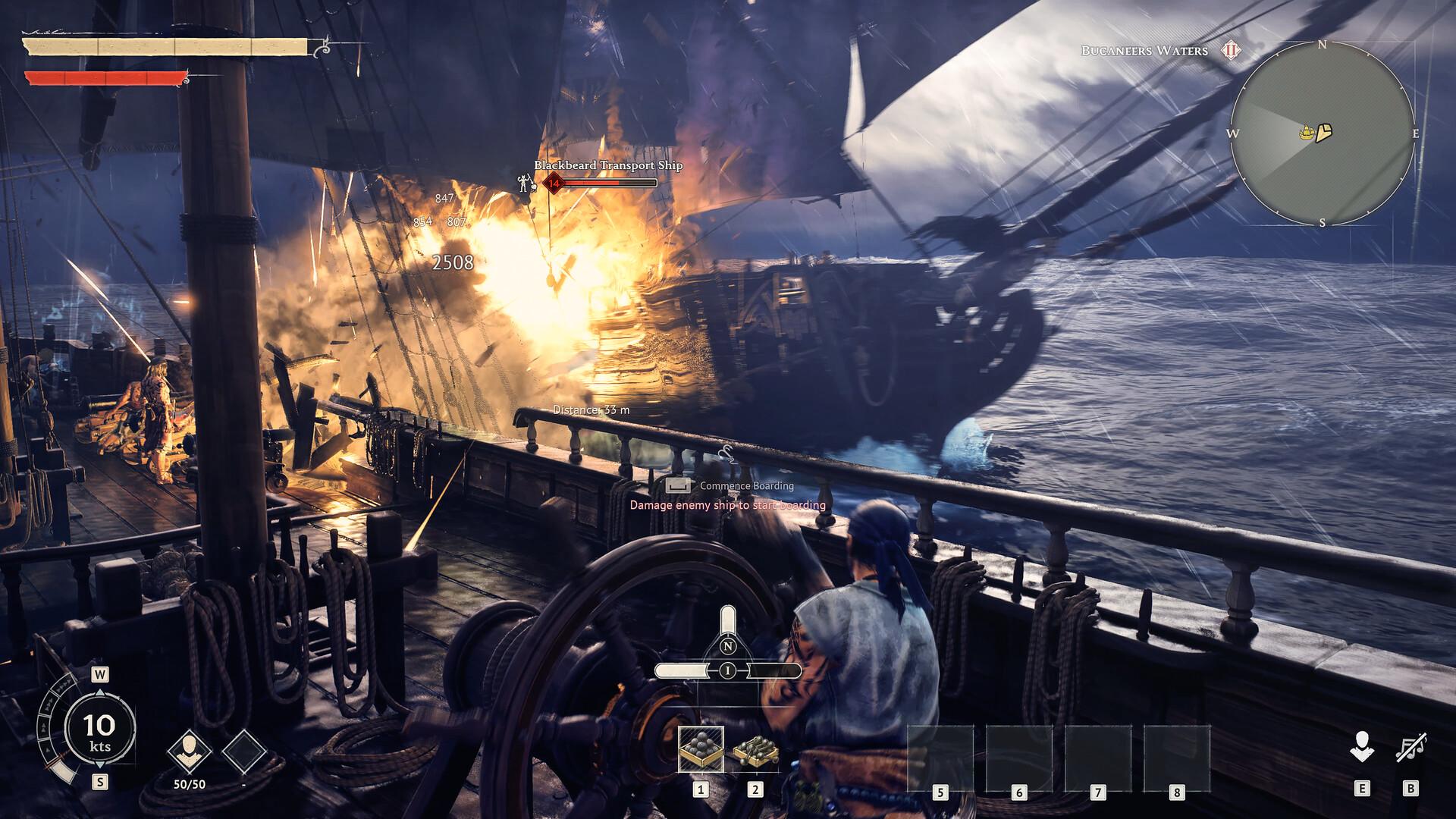
Naval combat in Windrose works because it doesn’t overcomplicate things. Instead of making you deal with stuff like wind management, the game keeps the focus on what actually feels good. This "fast and furious" approach increases replayability by emphasizing positioning, broadsides, and high-adrenaline boarding actions over technical minutiae. This is not a lack of depth, but a prioritization of the "fun factor" that maintains player engagement.
As you move from a small Ketch to a Brig and eventually a Frigate, the progression feels clear and satisfying.The depth here is found in Armor Ascension and the refining of ship parts, allowing players to tailor their vessels for specific roles. Whether a player is closing the distance for a soulslite-driven boarding action or trading fire at range, the system feels responsive and high-stakes.
The atmosphere also does a lot of heavy lifting. The sea shanties, give your crew a real sense of life and energy. In the end, Windrose works because it focuses on the fun of chasing and fighting, not the tedious parts of sailing. That’s what makes it so addictive.
The Strategic Verdict: Economics and Long-Term Value
At the end of the day, Windrose works because it feels fair. While a lot of big publishers are pushing higher prices and heavy microtransactions, this game keeps things simple, a reasonable price and a clear direction. The game's pivot from a F2P MMO to a PvE adventure based on player feedback is a landmark case study in community-led development.
The verdict on Windrose’s dominance in 2026 rests on three pillars:
Freedom: You’re not stuck on your ship, you can move seamlessly between sailing and on-foot combat, and both feel equally important.
Logistical Empowerment: The NPC worker system and the "Comfort Meta" transform the survival grind into a rewarding power-multiplication loop that respects the player’s time and investment.
Value: It’s a $30 game made by a relatively small team, yet it manages to feel more focused and enjoyable than a lot of bigger-budget titles.
Windrose stands as the definitive pirate experience of 2026,a triumphant validation of creative vision over corporate committee-driven design and the definitive proof that the industry's future belongs to those who prioritize the player over the profit-extraction model.