
With decades of history, countless mainline entries, and a reputation as one of the biggest RPG franchises of all time, the Final Fantasy series has constantly evolved its approach to world design.
And that legacy really shows. With so many different entries experimenting across generations, the series has explored everything from tightly linear storytelling to massive, explorable landscapes.
So when you look at the stretch from Final Fantasy XII to Final Fantasy VII Rebirth, the real question becomes: which of these are actually open world?
Final Fantasy XII
Final Fantasy XII is heavily segmented and often filled with corridor-like paths, but it still qualifies as open world in our book.
Its zones are connected, and more importantly, exploration within them is mostly free and rarely restricted once unlocked. You can move between regions without being tied to strict mission structures, and the world consistently encourages wandering, side hunts, optional content, and discovery at your own pace.
It may not feel fully seamless due to loading transitions and map boundaries, but the sense of freedom remains consistent throughout the experience, which is what ultimately keeps it in the open-world category.

Final Fantasy XIII Series
The Final Fantasy XIII series takes a very different approach.
For the most part, these games are highly linear, guiding players through narrow, corridor-like paths with very limited room for exploration or deviation. The structure is heavily focused on narrative delivery, cinematic pacing, and controlled progression rather than player freedom. Only at the later chapter where you can free-roam in Gran Pulse taking as an early experiment of the open world.
The exception is Lightning Returns: Final Fantasy XIII, which leans more toward a semi open-world design. It introduces larger areas, more player choice in objectives, but all limited by a time-based system that shapes how you explore.
Still, even here, freedom is deliberately constrained by mechanics like the ticking timer and structured quest flow, meaning it never fully embraces open-world design.

Final Fantasy XV
With Final Fantasy XV, the series fully commits to open-world design.
Players can freely roam across a massive, continuous landscape, traveling between regions with minimal interruption and engaging in a wide range of side activities at their own pace. From hunting monsters to discovering hidden locations, the world is built to support player-driven exploration.
The Regalia, your main vehicle, reinforces that sense of scale, making long-distance travel feel natural and immersive. Combined with real-time traversal and dynamic environments, it creates one of the most convincing open worlds in the franchise.
As Square Enix's earliest entry of open world Final Fantasy games, it is lacking in some areas. Like it only has 2 big towns and multiple gas stations with nothing much to explore. And late chapters are locked again into linear gameplay.

Final Fantasy XVI
Final Fantasy XVI steps back from that approach.
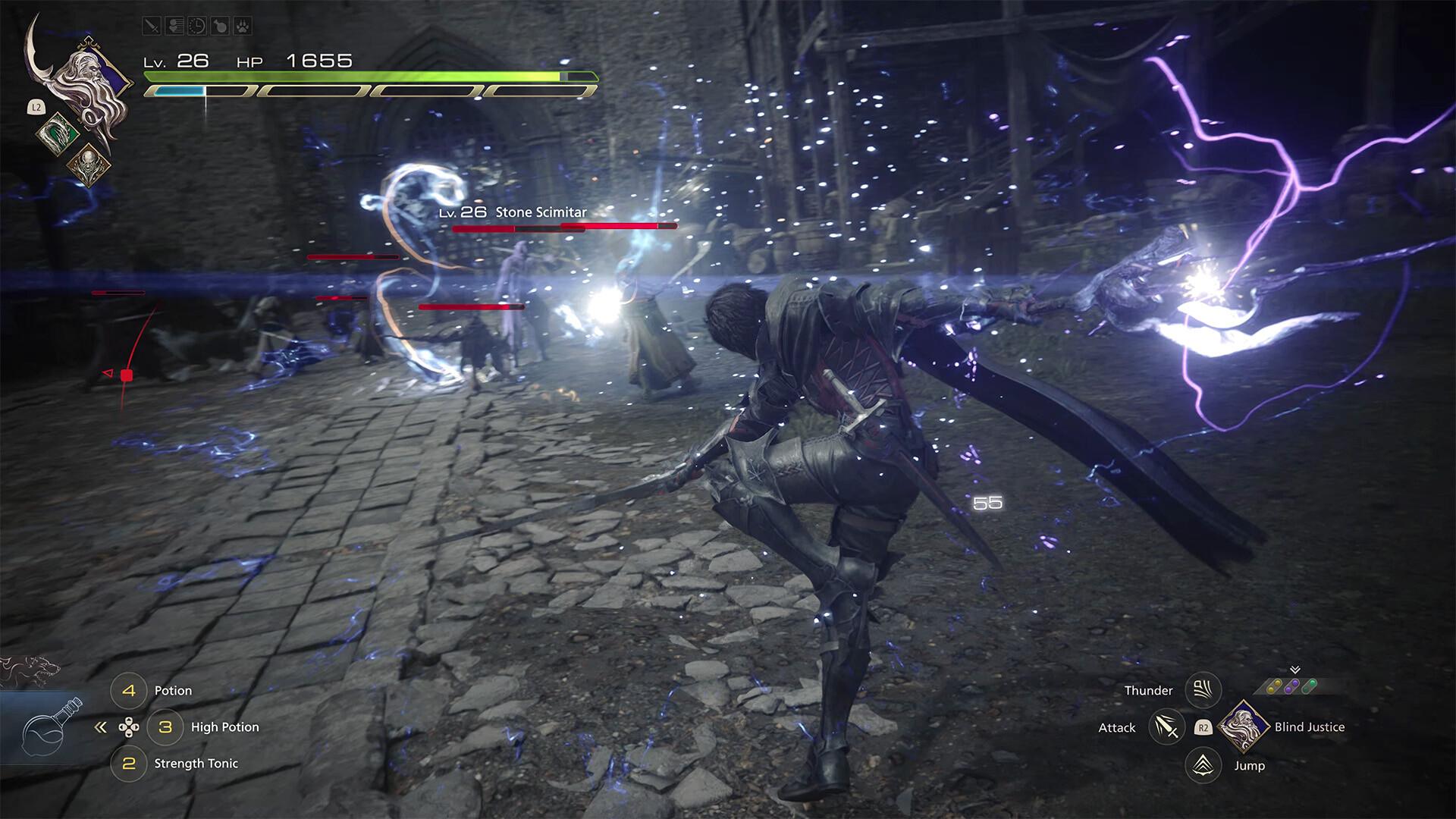
Instead of one continuous world, it offers large, detailed regions connected through a hub-based structure. These areas are visually impressive and offer side content, but they are still accessed through a structured system rather than organic exploration.
There is room for exploration, side quests, and revisiting areas, but progression is more controlled and often gated by story progression. This makes the experience feel slightly more curated.
The freedom is still present in moments, but it is noticeably more limited compared to XV, placing it in the semi open-world category.
Final Fantasy VII Remake Series
Final Fantasy VII Remake is a trilogy series, its a reimagined from the classic Final Fantasy VII in Playstation 1. The trilogy were Final Fantasy VII Remake, Final Fantasy VII Rebirth and Unannounced Part 3.
Remake is largely linear, focusing on tightly designed environments, set-piece moments, and story-driven progression with very little room for deviation. The game does, however, let you traverse back and forth between these linear spaces though, which qualifies the game in the semi open-world category, but a very bad example of one.
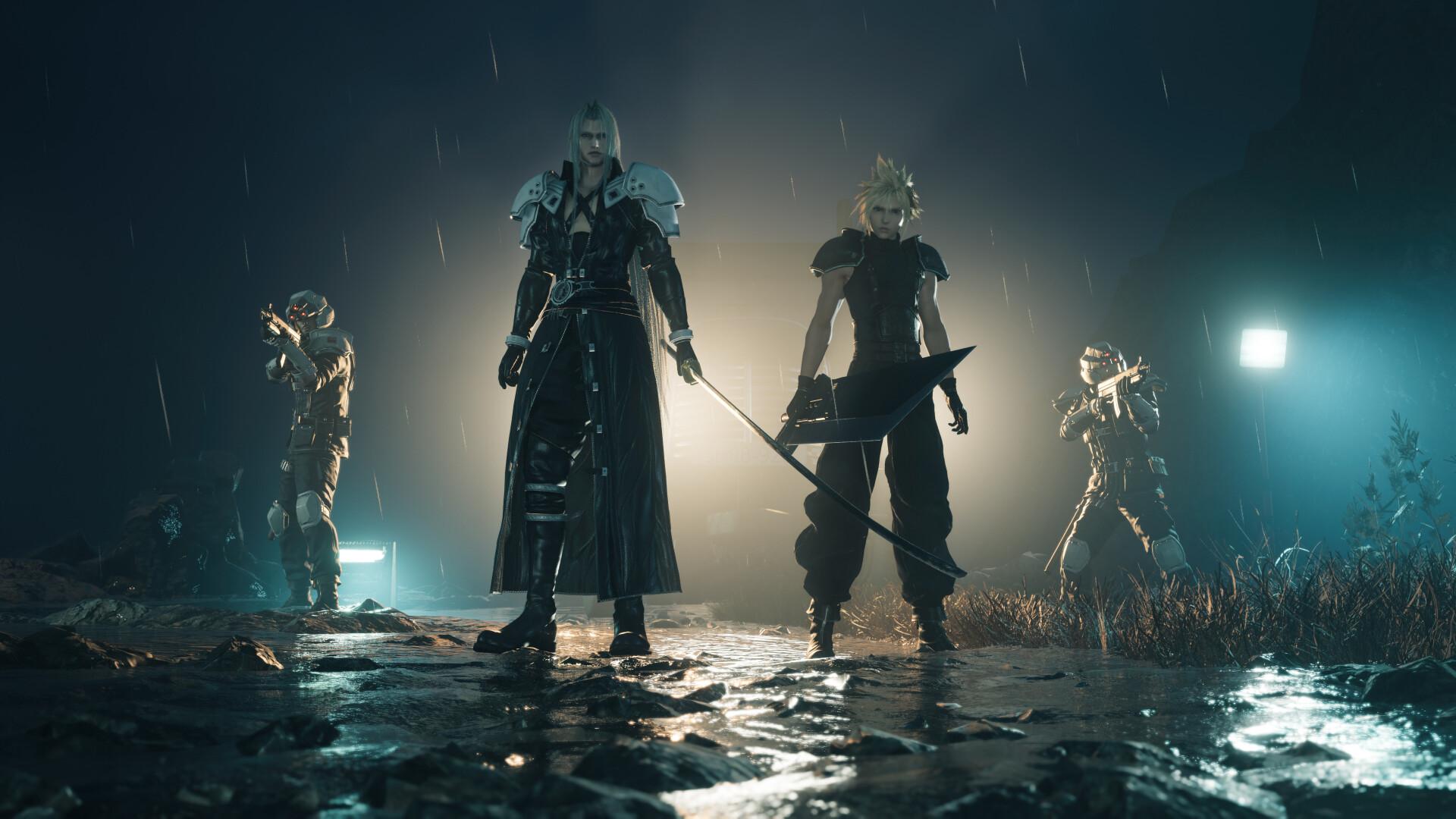
Rebirth, on the other hand, is undeniably full open world. It expands into large, interconnected regions filled with activities, exploration opportunities, optional objectives, and player-driven pacing that encourages going off the beaten path.
Rebirth is the latest and the best of all Final Fantasy series with an open world system. It will continue to part 3 where the world will expand even more bigger.
The Answer to the Question
So to answer the question we initially asked, the Final Fantasy series doesn’t stick to one formula, it constantly experiments, which might’ve been what made it so successful up until now.
Final Fantasy XII and XV lean into open-world design in different ways, XIII stays mostly linear, XVI pulls things back into semi open-world territory, and Rebirth pushes forward again.
If anything, this stretch of games shows that Final Fantasy isn’t trying to define open world, it’s trying to reinterpret it with every new entry.