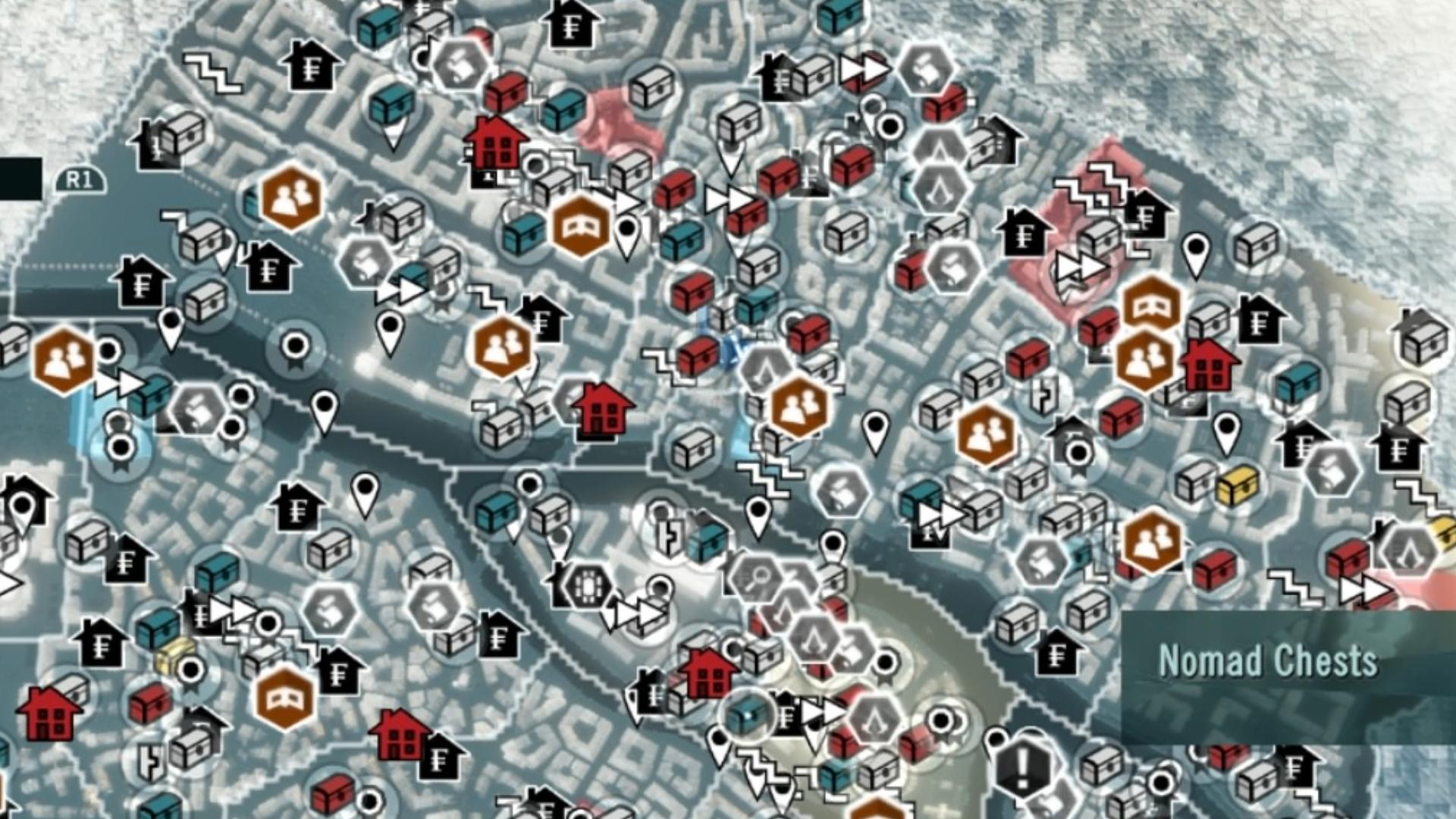
Have you ever been in the middle of an open world game, only to realize half your time is spent chasing random shiny objects? You’re not imagining it. Pointless collectibles flood these games, and they’re everywhere. A hundred hidden magazines, fifty glowing trinkets, forty seven magical gems scattered across a massive map, and for what? A slightly bigger number in your stats menu? Here’s the thing. Collectibles aren’t bad by definition. In fact, they can be fantastic. But when they’re nothing more than a bland counter like ‘1 out of 55 collected,’ they’re basically empty achievements. So as our hot take, we’re going to break down why Pointless collectibles are one of the laziest features in open world games, how they can be designed to actually be worth your time, and why incentives matter way more than sheer quantity.
The Hollow Hunt
Let’s start with the most obvious problem. Collectibles in most open world games are often pure busywork. They don’t test your skills, they don’t tell you a story, and they don’t meaningfully connect to the rest of the game. You’re just wandering from dot to dot on a map until the counter ticks up.
The sad part is that they’re presented like ‘content.’ But in reality, it’s a meaningless add-on. A giant world feels a lot less impressive when all it has to offer are scattered knick-knacks you could replace with a shopping list in a notebook. In some games, they only tell you how many you’ve collected on your stats. So the collectibles aren’t even varied. For some others, they still let you see what you’ve collected. Although that still doesn’t justify having to go out of your way to collect all of them.

It’s like if someone handed you a beautiful treasure map… and every X just marks a bottle cap. And what’s more surprising is a lot of games do this, even one of the most iconic ones are even guilty of doing it too. And the numbers are often absurd too. Why dump 60 nearly identical items across the map when 10 well-placed ones could make exploration feel more rewarding? Because the truth is, exploration itself is fun, uncovering hidden areas, climbing to hard-to-reach spots, or stumbling across secrets should feel exciting. But when the game drowns that feeling under a mountain of repetitive pickups shown clearly on the map that makes it feel like a checklist, it turns what should be an adventure into a soulless grind of finding collectibles.
When Collectibles Work
Now don’t get me wrong. Collectibles can be great when they’re tied to something meaningful. Meaningful collectibles aren’t just shiny objects sitting in a corner, they’re integrated into the game’s core loop. They give you a reason to care beyond checking a box. Maybe they expand the game’s lore so you feel more connected to the world. Maybe they grant you experience points so the act of collecting directly feeds into your character’s growth. Or maybe they unlock special events, gear, or challenges that you wouldn’t see otherwise. When collectibles achieve this, they stray away from being meaningless fillers and start becoming a form of storytelling and progression.
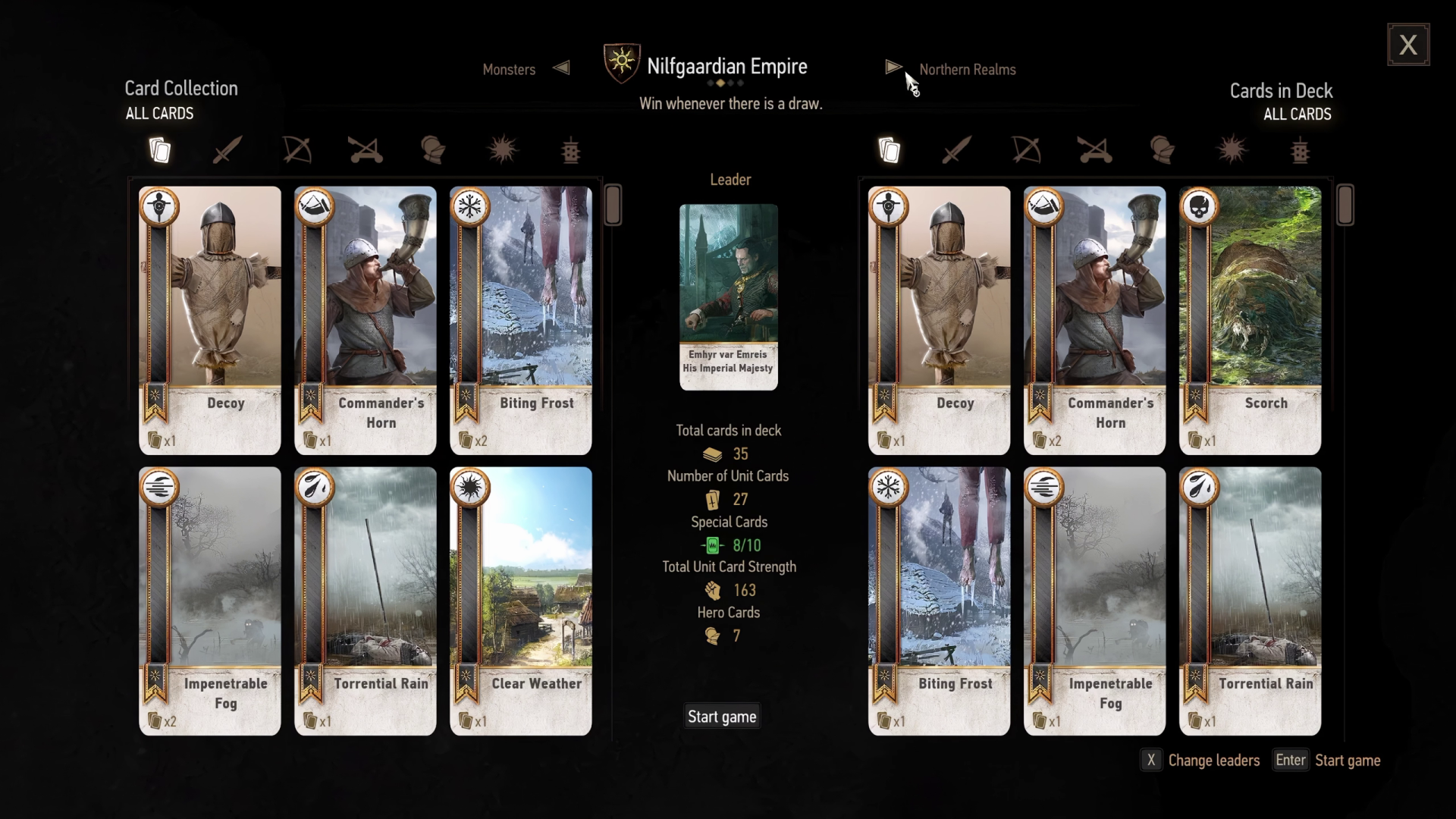
Take Kingdoms of Amalur, for example. Its lorestones aren’t just random glowing rocks, every time you find one, you gain experience points and hear a voiced snippet of the world’s history. It’s a reward for your character and for you as a player, because you’re both getting stronger and becoming more immersed in the setting.
In this case, the collectibles aren’t just about quantity, they serve a purpose. They reward your time, deepen your understanding of the world, and make the act of finding them feel like progress rather than a chore.
Incentives Matter
The key difference between good and bad collectibles comes down to incentives. If your reward for finding all 55 items is a meaningless ‘Achievement Unlocked’ pop-up… congratulations, you’ve just spent hours of your life for bragging rights no one will remember five minutes later. But when collectibles actually give you something that changes how you play, that’s when the hunt becomes worth it. Unique gear, powerful abilities, alternate endings, hidden bosses, even just clever surprises, these turn a grind into an adventure.
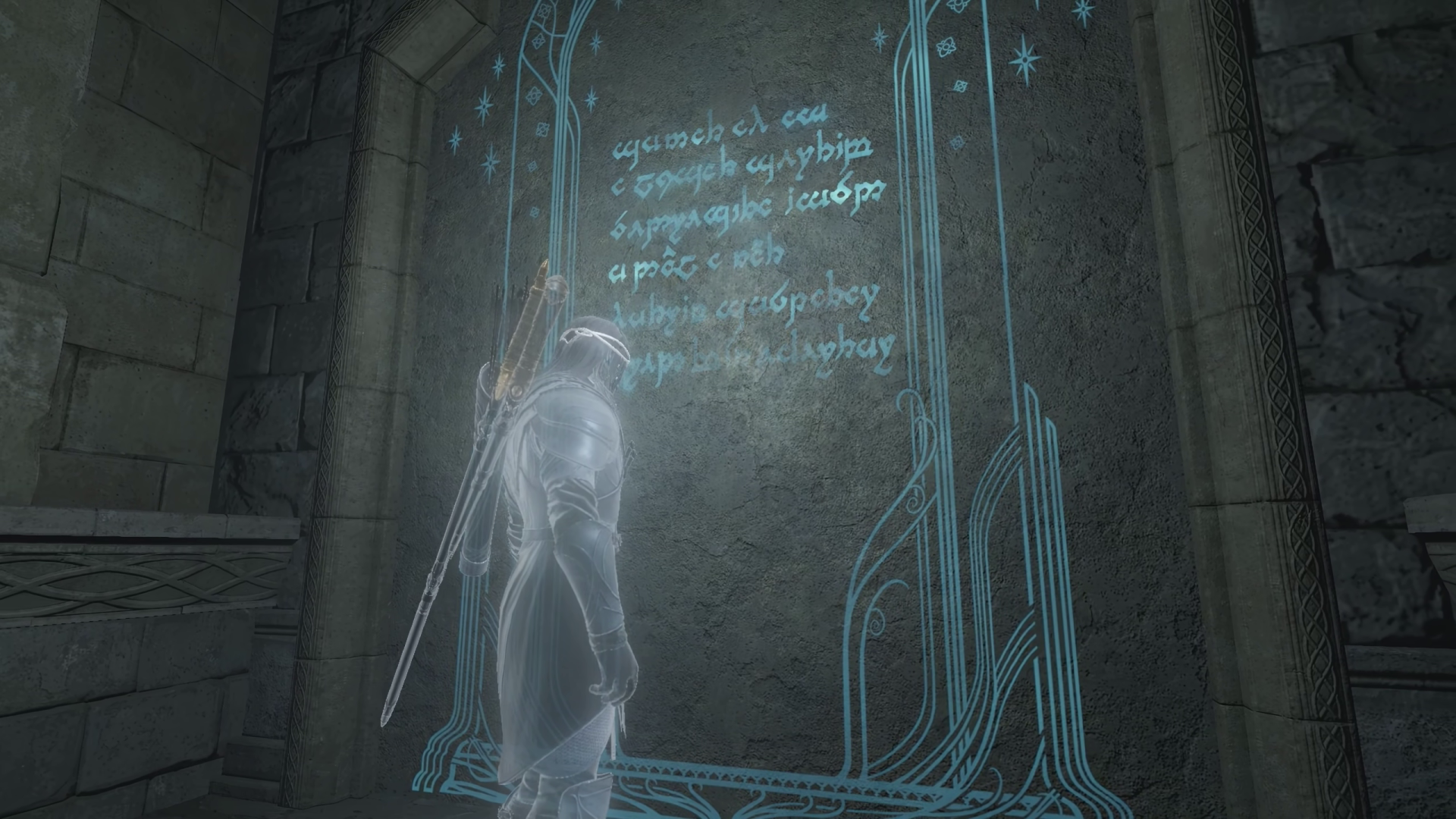
In Middle-earth: Shadow of War, the Ithildin Fragments scattered across the regions are more than just wall decorations. Collect them all in an area, and you forge legendary armor tied to the lore of Gondor. Not only does it look cool, but it boosts your stats and abilities as well.
The Fun Factor
Here’s the part a lot of games overlook, the act of collecting should be fun on its own. It’s not just about what you get, it’s about how you get it. Too many games treat collectibles like decorations you just walk up to and pick up. But imagine if every collectible felt like a mini adventure. Maybe you spot it perched on a cliff and have to figure out a clever climbing route. Maybe it’s locked behind a puzzle you have to solve. Maybe a small but tough enemy guards it and you need to fight your way through.
In Just Cause 3, some collectibles are cars. Instead of sitting around waiting to be picked up, you have to track down the right vehicle, steal it, and drive it back to your garage. Each one feels distinct, and by the end you’ve built a collection you actually care about, even finding favorites along the way.
When the act of collecting is engaging, it brings a sense of earning it. It starts to feel less like ticking boxes and more like going for a piece of valuable loot. You get that same rush you’d have from finding a rare drop, except the ‘loot’ is a collectible tied to your progression, your bragging rights, or even the story.
How Bad Collectibles Hurt Open Worlds
Hollow collectibles can actually hurt a game more than they add to it. If a collectible system adds nothing to the experience, it’s better not to have it at all. A hollow collectible isn’t harmless, it’s a an empty filler that takes up development time, clutters the world, and risks making the game feel padded instead of polished.
For completionists, bad collectibles aren’t a fun challenge, they’re a chore disguised as gameplay. If the only reward for scouring the map is a slightly higher number in your stats screen, that’s not satisfying, it’s tedious. You’re not achieving something memorable, you can even say you’re just doing unpaid QA testing for the game’s level design.
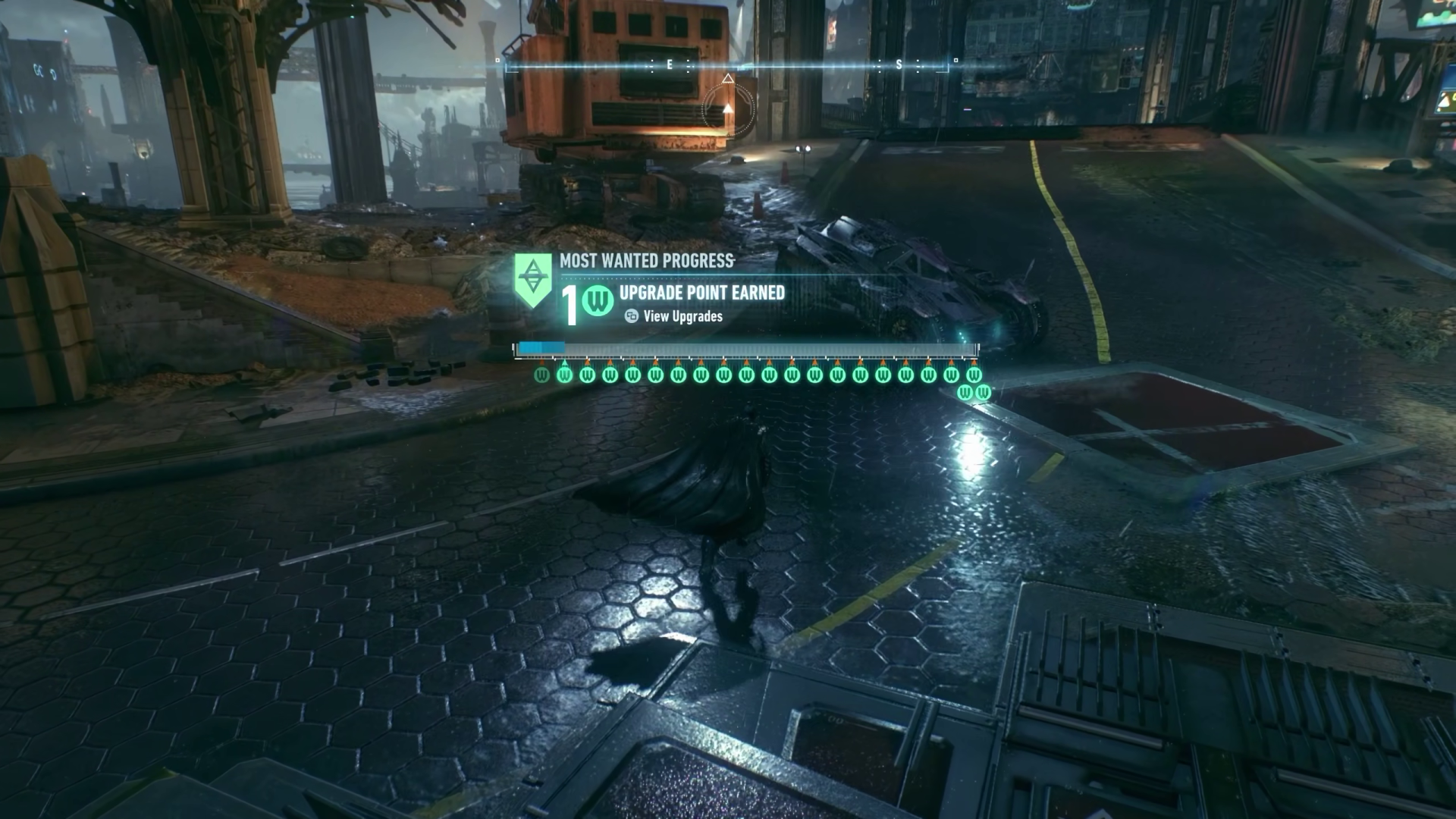
And yes, sometimes these items are already marked on your map from the start, which can lead to the dreaded ‘icon overload’, a sea of markers that drains the excitement out of exploration. But even when they’re hidden, if there’s no reward or gameplay depth behind them, uncovering them still feels like busywork.
There’s a myth in game design that more equals better. More collectibles means more to do, right? Not really. If each one is dull, having more just means more boredom. I’d rather have 20 collectibles that each feel like a meaningful find than 200 copy-paste ones scattered across the map. The best collectibles make you think, make you explore, and make you remember where you found them, not forget them the moment you walk away. Quantity without quality isn’t content. It’s clutter.
Conclusion
To end our hot take on collectibles, we at GameTyr would say this: stop using collectibles as lazy padding. We’ve seen how hollow hunts turn into pure busywork with no challenge or meaning. And we’ve examined how bad collectibles hurt open worlds by cluttering the experience and draining player motivation. So how do you fix them? Three simple principles.
First, tie them into the world and its story so they feel like they belong.
Second, make them rewarding with loot, quests, or surprises that give players real reasons to care.
Third, make the act of collecting fun, like solving a puzzle, fighting an enemy, or pulling off a clever platforming route.
If an open world nails these, collectibles start feeling worthwhile. Combine all three, and they can turn from filler into one of the best parts of the game. Because here’s the truth: a collectible should be more than just a glowing object. It should be something you’re excited to find, not something you feel obligated to grab. And until more games get that right… yeah, our hot take stands: Pointless collectibles are bad.