Have you ever wondered what it feels like to step into a world that relentlessly tries to kill you as The Tarnished, a warrior on a journey to become the Elden Lord? Because that’s exactly what Elden Ring does the moment you start. The first thing it did to me was put me straight into a boss fight against Grafted Scion, no tutorials, straight up whooping me. Then, I walked out into the world, saw that golden tree glowing in the distance, felt brave for about twelve seconds, and then a random knight instantly humbled me. But surrendering to a random knight is such a maidenless move, so just like the usual souls game, I respawn, learn their movesets, die and repeat. When they die, it feels like an achievement. That pretty much set the tone. Elden Ring doesn’t sugarcoat the world at all, it just drops you into the Lands Between and waits to see how you survive. I started wondering early on: is this world inviting me to explore, or just daring me to die creatively?
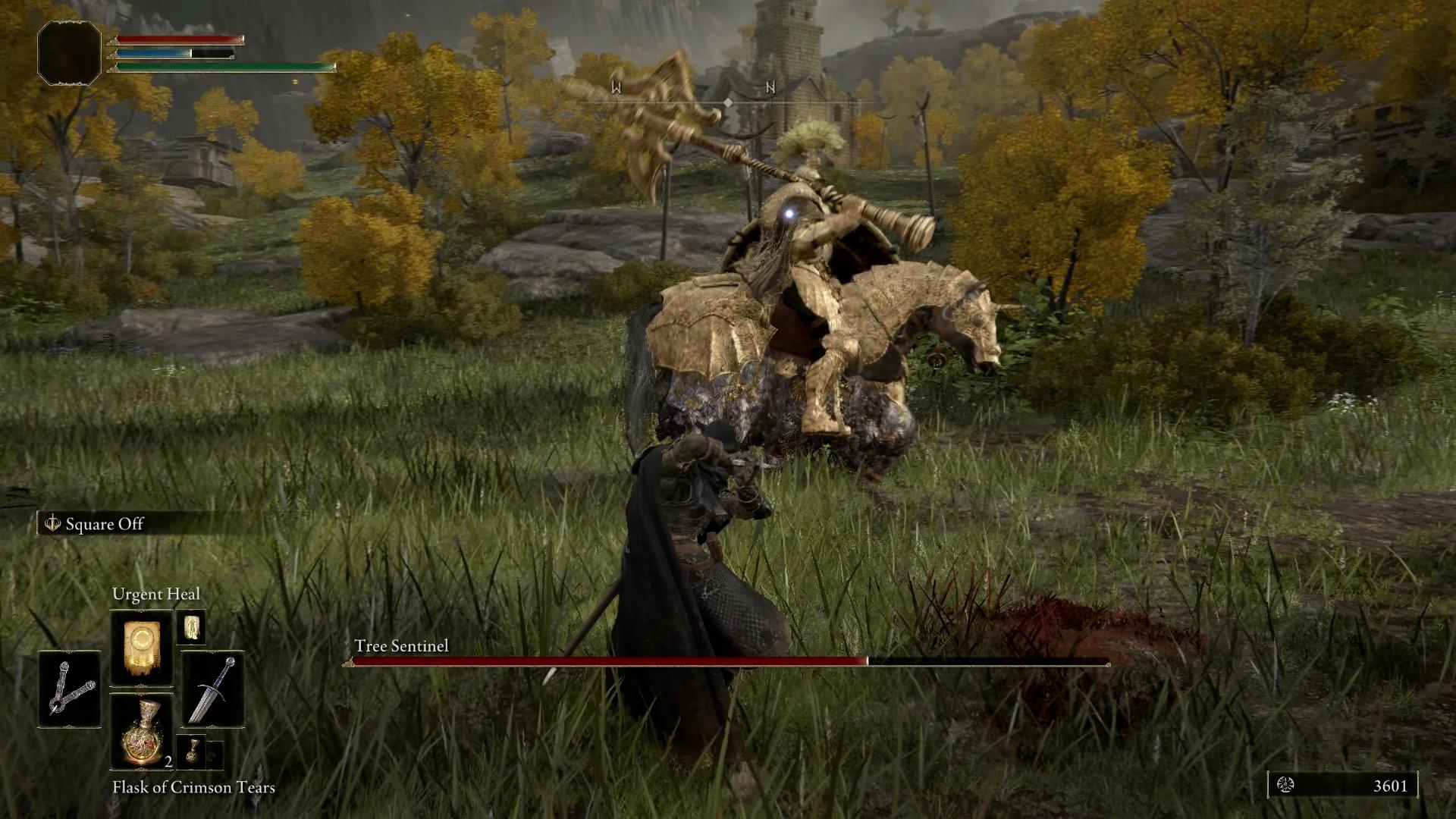
And that dare quickly hooks you through engagement. Almost every time I wandered off the main path, I found something. A dungeon. A boss. Or a cool weapon. The difficulty spikes can be rough though, and I can absolutely see players bouncing off because of that. Elden Ring doesn’t smooth those edges for you. But the freedom to explore can alleviate the difficulty. You'll always have the option to grind first, or go to the other region and explore. You also aren't always forced to fight 1 boss in particular; you can freely challenge pretty much any boss in the game.
Because exploration is so central, the world itself has to hold together. Elden Ring has a huge unified map with nine regions, all seamless unless you enter legacy dungeons like Stromveil Castle. And even the legacy dungeons don’t feel linear; you can always take a shortcut or jump around the roof. These big dungeons give you branching paths to take. And if you wanna fast travel in Elden Ring, it works via Sites of Grace, but you have to find them first. Roundtable Hold acts as the hub for vendors, blacksmithing, spirit tuning, and most NPC interactions. I liked that the hub doesn’t replace exploration, it’s more like a cozy base where you can breathe before getting shoved back into danger.
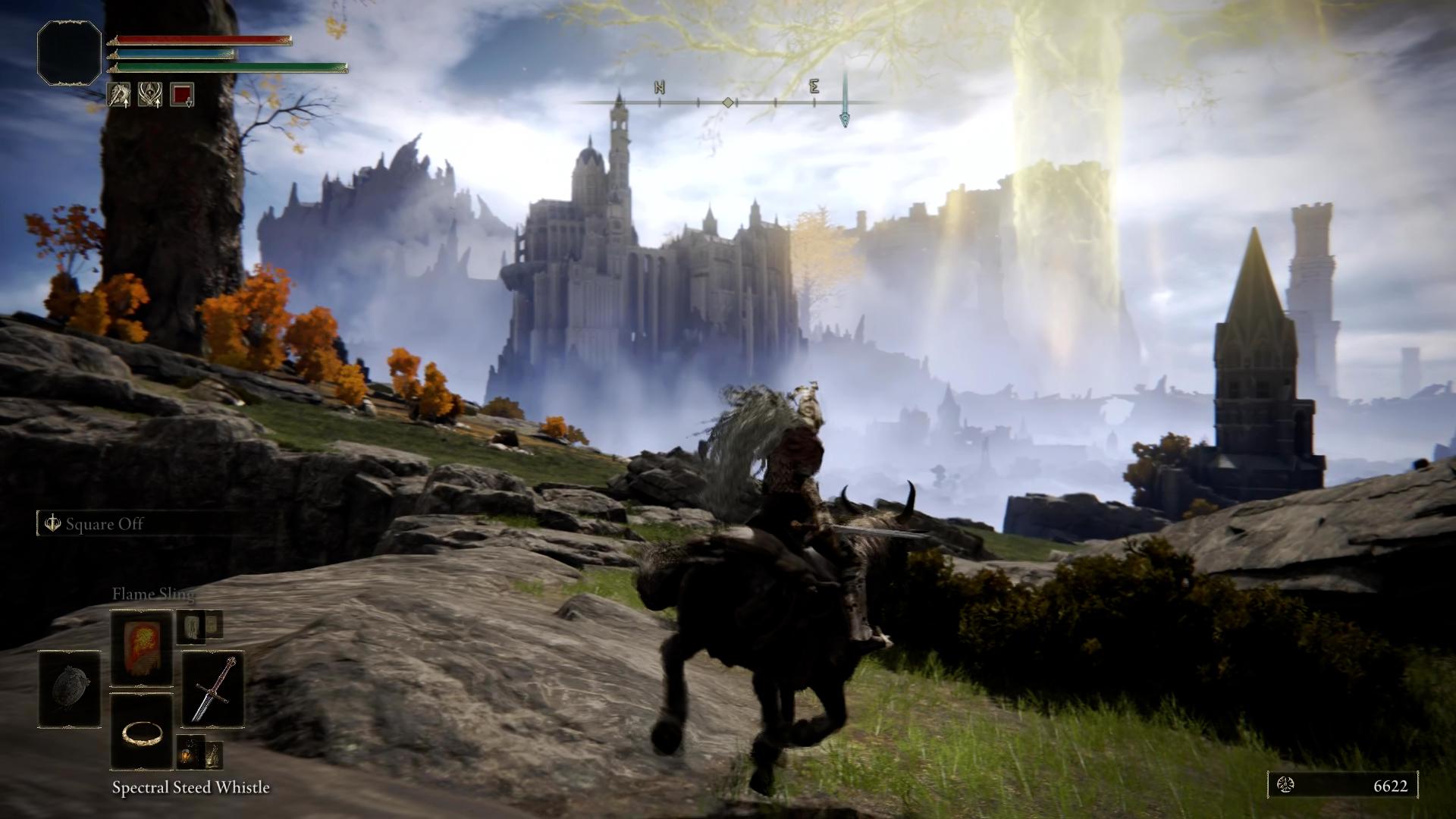
Traversal matters too, and Torrent makes it feel a lot less like a slog. Sprint, fight, double jump, he’s basically the Swiss Army horse you didn’t know you needed, especially in a souls game. Still, freedom isn’t absolute. Tall cliffs, gated areas, and major bosses that block access to the next region keep progression in check, and some spots require waygates to access. I noticed that these restrictions occasionally felt frustrating, but honestly, they saved me from repeatedly flopping into areas my build couldn’t handle.
Once you’re moving around comfortably, the side content hits. There aren’t any quest trackers or checklists, and NPCs only appear once you find them. Everything is missable, many quests branch, and several are tied to alternate endings. Out of six endings, five require side quest chains. I enjoyed the lack of handholding early on, including the ability to kill any NPC in the game, but later I realized this would permanently lock me out of content without even knowing it. Thanks, invisible quest radar! Do you guys think having this much freedom is too punishing though? Is it better to have a tracker, a todo lists a, or some restrictions? Let me know in the comments!
Because those side activities aren’t just fillers either, and they’re everywhere. Mini dungeons like caves, catacombs, and mines serve specific purposes: Glovewort flowers for spirit upgrades in catacombs, smithing stones in mines, and gear or talismans in caves. World bosses, from Erdtree Avatars to Invasions and Evergaols, are sprinkled throughout. Some are missable, and many drop gear you can’t get anywhere else. I noticed that some of my favorite weapons came from encounters the game never nudged me toward. It feels great to stumble into a prize by accident.
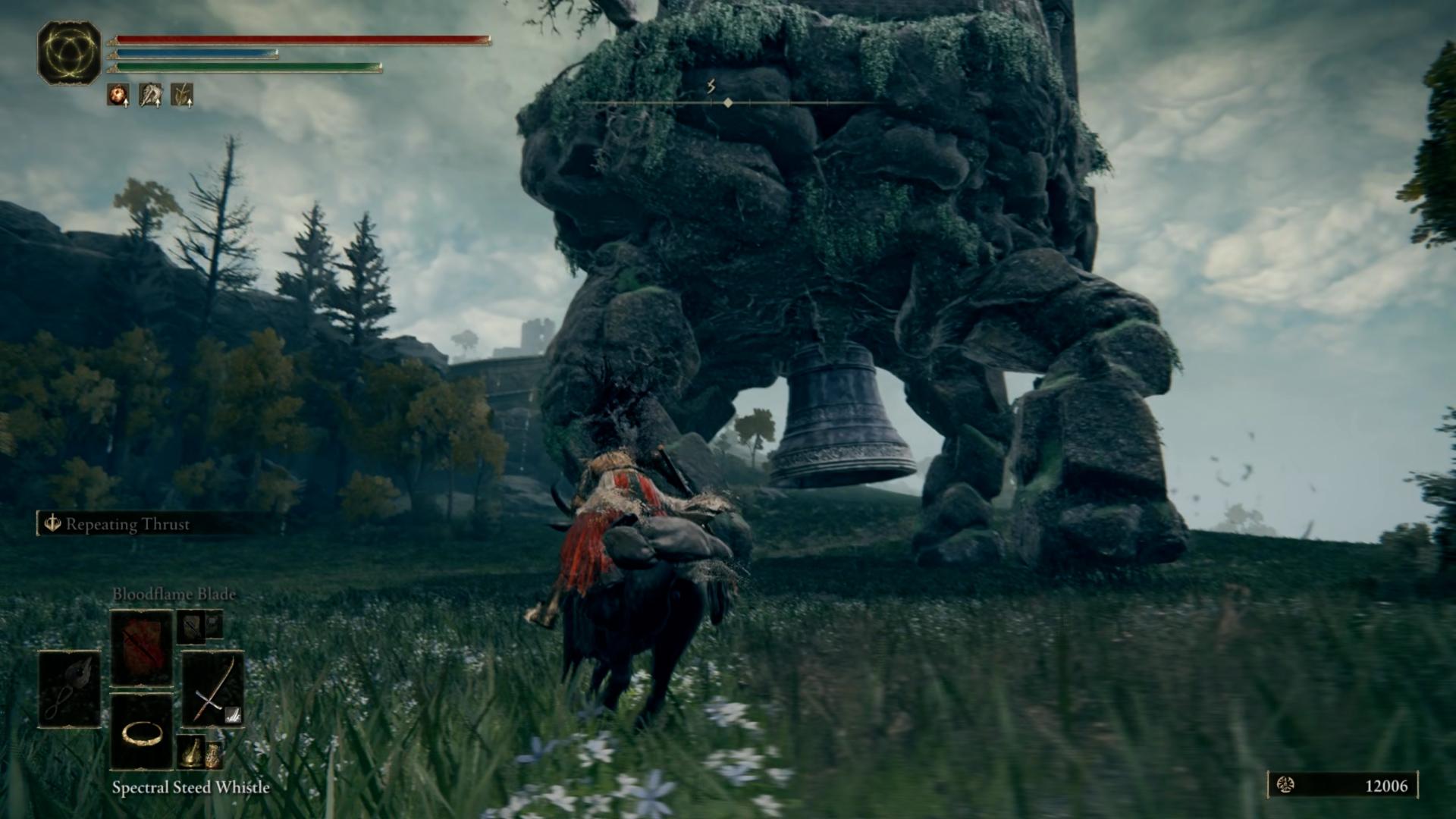
Collectibles add another layer. Talismans, spellbooks, weapons, armor, crafting recipes, and bell bearings are scattered throughout. Bell bearings let you unlock merchants’ items at the Twin Maiden Husks in Roundtable Hold. Merchants themselves are spread throughout the world, each with unique items or spells. You can kill them and take their bell bearings, transferring their inventory to the Twin Maiden Husks. I liked that the game doesn’t punish this, it’s morally gray, but it fits the harsh tone of the world. There’s also this huge 4 legged creature with a big jingling bell below it called Wandering Mausoleum, where you can duplicate Demigod Remembrances. I found tracking these rewards satisfying because it turns careful observation into tangible gains rather than random busywork.
Liveliness is minimal but purposeful enough considering the theme of the game. You’ll have enough NPC life both in the settlements you encounter and even some along the treacherous path outside. NPCs behaviour is limited, most stand still until progression triggers movement, But enemy behavior has the most complex animation, they are very lively when they try to kill you. I noticed that even familiar areas remain tense because enemies never truly stop being threats, which keeps every encounter from feeling dull.
Instead, the world itself does the heavy lifting. Limgrave’s plains, Liurnia’s flooded ruins, Altus Plateau’s golden plains, Mount Gelmir’s volcanic terrain, snowy Mountaintops of the Giants all feel unique. Enemy types shift per region, always keeping combat fresh. I found discovering a new biome almost always made me rethink how to approach exploration and fights.
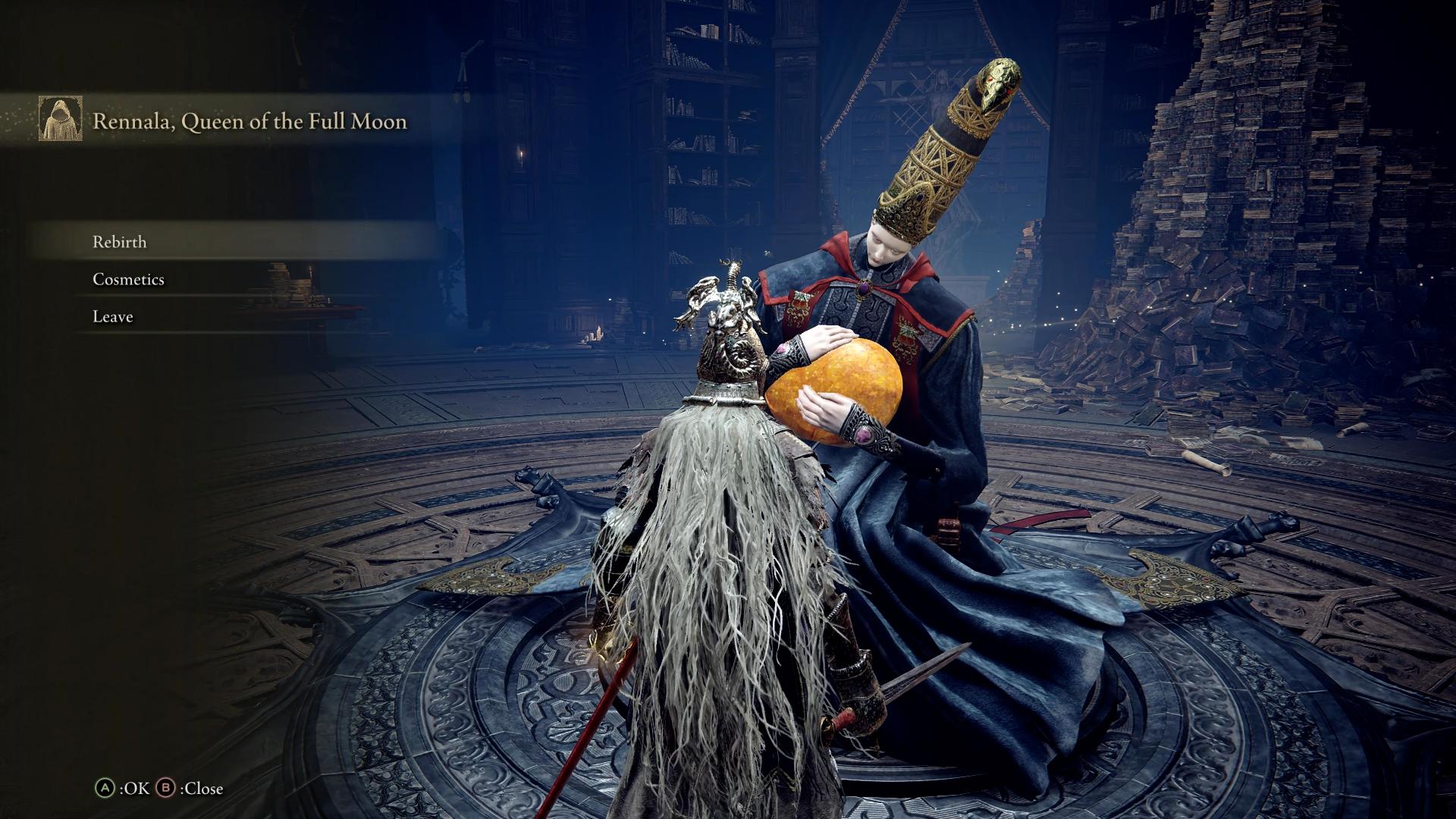
Customization is deep but structured. Appearance has a decent amount of customizability and stats let you personalize your build, which both can be respeced at Rennala, but the amount you can respec are limited by the amount of Larval Tears you have. And larval tears only drop once from a specific enemy, so I still had to plan carefully rather than just swapping every once in a while. Stats are tied to Weapons, and weapons scale with specific stats, so not all builds can use everything. Ashes of war let common weapons adopt new skills and scaling, opening up strength, dexterity, faith, or hybrid builds. Legendary weapons are usually fixed, which feels restrictive but powerful. The Flask of Wondrous Physick lets you mix two crystal tears for temporary buffs, which I always found satisfying to experiment with. You also have Great Runes from Demigod bosses that provide buffs if equipped. All these systems make build experimentation fun and meaningful without making it trivial.
Replayability is high. Multiple endings, respecs, and alternate questlines keep players coming back. Difficulty spikes and missable content create gaps that can frustrate or motivate. I found my first playthrough full of retries, and the next focused on min-maxing.
Ultimately, Elden Ring stands out because it turns the Souls formula into a complete open world. Difficulty replaces linear progression as the gatekeeper, and it really shows when you choose to go for one boss over another, which you can also choose to do in any order. You decide when to fight, retreat, and explore elsewhere. I noticed that every decision feels intentional, and even countless deaths start become memorable as you slowly start losing your sanity as well.
And that’s it for the unforgiving world of Elden Ring, where the game drops you into a world that doesn’t wait for you to catch up. Every discovery and victory feels hard-earned and personal, even if you’re tortured with multiple deaths to get there.
Side Activities
Elden Ring has an insane variety of side content, and most of it is tightly tied to exploration. Mini dungeons, caves, catacombs, and mines aren’t just filler activities, they provide materials for upgrades, spirits, and weapons. NPC quests can branch into multiple paths and often influence alternate endings, but they’re entirely missable if you aren’t careful. Collectibles like talismans, spellbooks, and bell bearings reward curiosity. Crafting is also a thing here, but it isn’t really deep because it's only done for some items throwables. I noticed I personally spent hours chasing a side quest only to discover it unlocked one of the more interesting endings. It feels satisfying, forcing you to explore more.
Area of Freedom
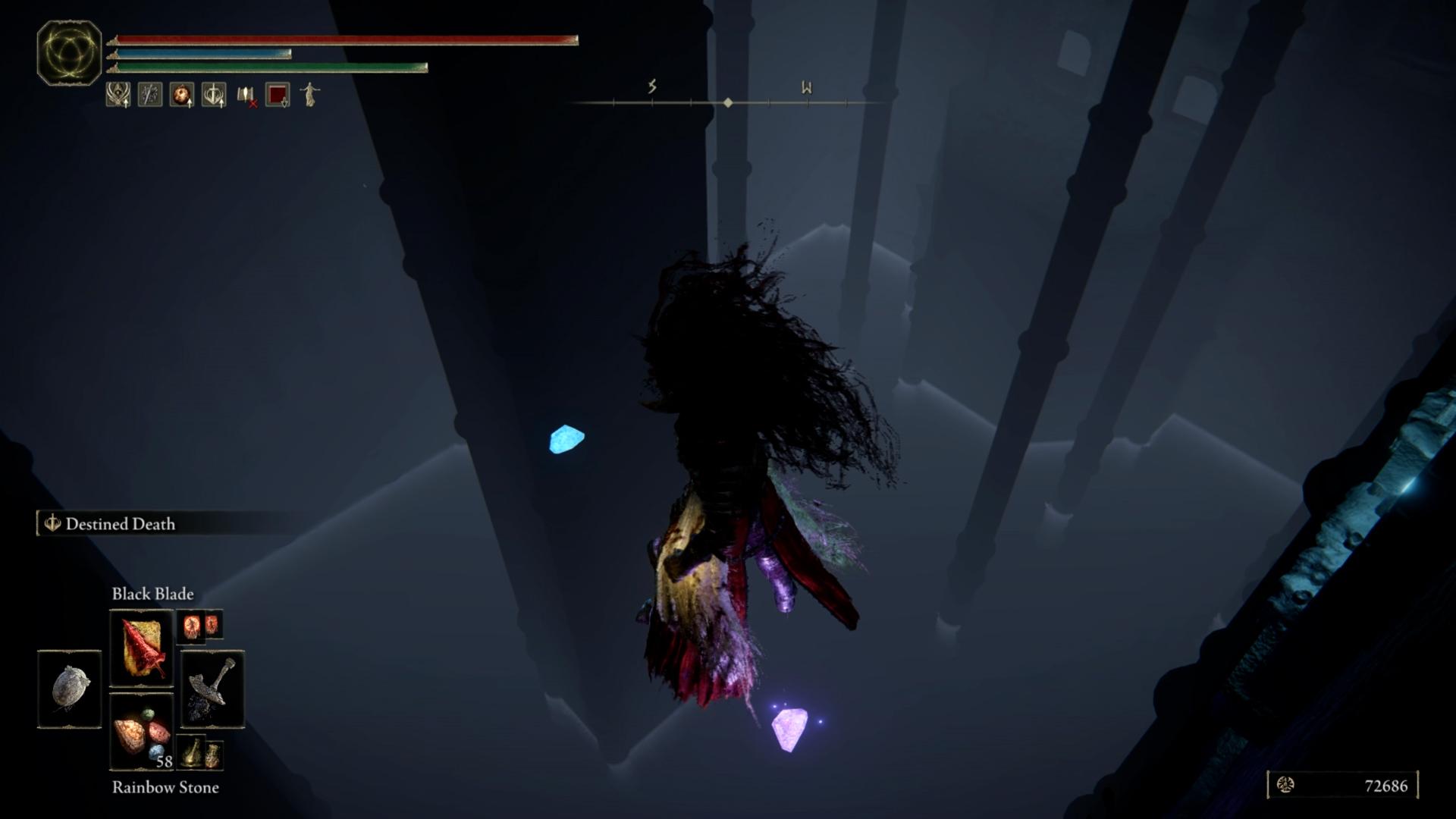
The world itself is seamless and vast. Nine major regions blend together without loading screens unless you enter legacy dungeons, and Torrent makes traversal fast and engaging. There are still invisible walls, waygate shortcuts, and boss-gated areas, which occasionally feel restrictive but mostly serve to prevent walking into instant death. I found myself exploring side paths just because the world hinted there was something hidden behind a cliff or a fake wall.
Liveliness
NPC density in Elden Ring is low by design, reflecting the post-apocalyptic tone, Most NPCs don’t really move or even do anything in place, at least until your progress triggers movement. So for example after you beat a certain boss, they might relocate, leave the Roundtable Hold, or start new questlines after you defeat a major boss. It feels purposeful, even if limited. Coupled with distinct biomes that feel unique and lived-in, the world itself tells a lot of stories by just looking and exploring.
Customization
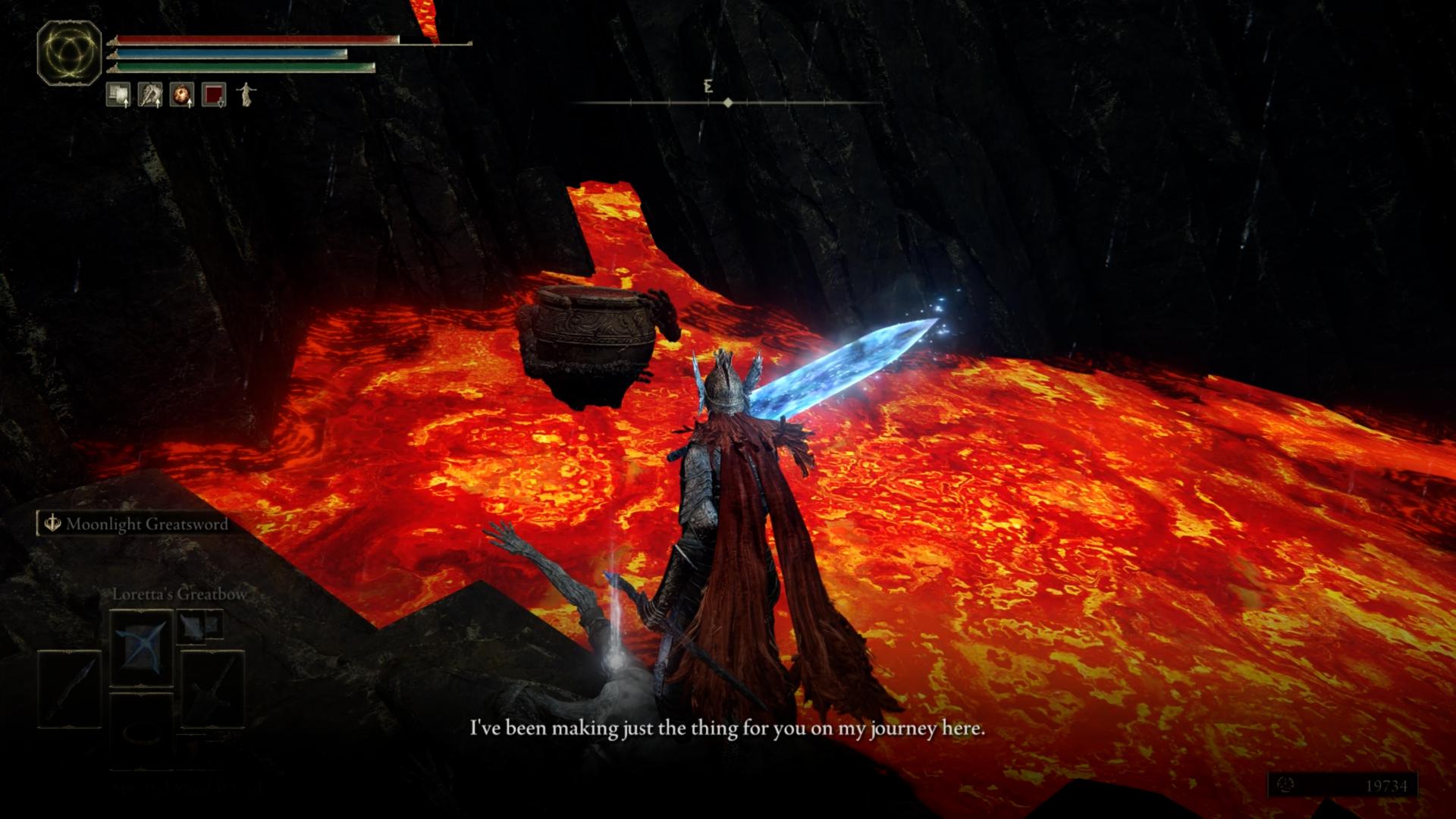
Elden Ring offers full character appearance customization, with the option to change your look later through respec systems. Stat respecs are available after Rennala but are limited by Larval Tears, which makes build changes meaningful rather than disposable. Build depth comes from weapon scaling, weapon skills, talismans, spells, spirits, and the Flask of Wondrous Physick, which allows two crystal tears to be mixed for buffs. Legendary weapons are powerful but locked into fixed skills, while common weapons provide more flexibility for experimentation.
Engagement
Exploration is the main hook in Elden Ring, almost everywhere you go, there’s something to find. Hidden mini dungeons, missable world bosses, branching side quests, and collectibles keep curiosity high and reward careful observation. Build variety encourage experimentation, and multiple endings make replaying the game worthwhile. That said, difficulty spikes are sharp, and some players may drop the game when progression feels too punishing. I found that the mix of high reward and high challenge kept me engaged, but it’s definitely not a casual stroll.
Uniqueness
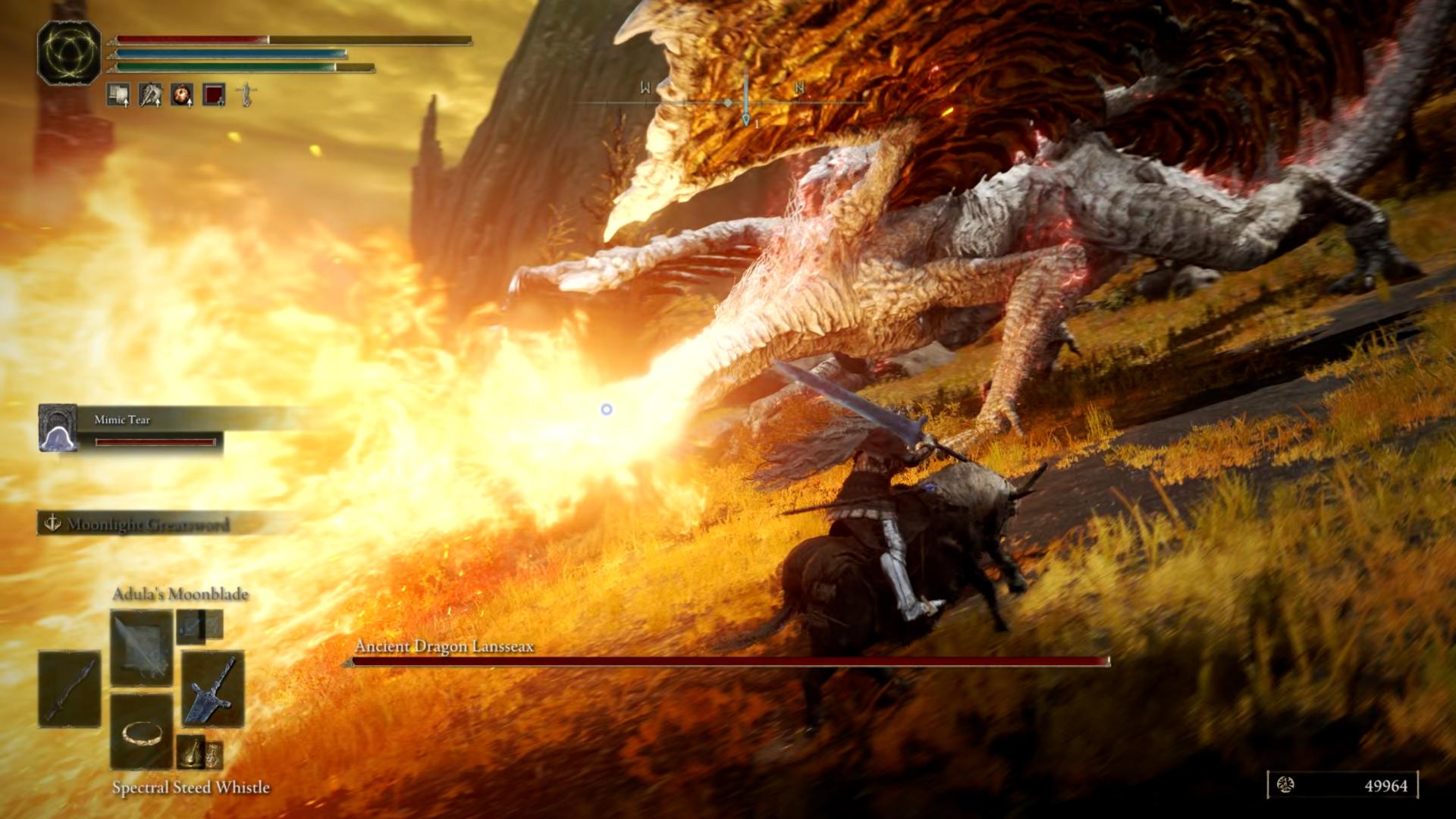
Elden Ring is the pioneer of open-world Souls games, bringing non-linear gameplay to a series that was previously very structured. You have the freedom to challenge bosses whenever you want, early, late, or just straight up skip some, and the difficulty of each area acts as a natural wall, guiding progression without forcing it. I found that this freedom makes each run feel personal, and stumbling into a powerful boss early, or skipping one entirely, can dramatically change your experience. All of which make the game unique.
For players who thrive on exploration, challenge, and meaningful choices, Elden Ring earns its place as an A Tier at GameTyr.