# # #gaming # # #gamereview # ##
If you're into 3rd Person RPG fantasy worlds, satisfying hack and slash combat, then buckle up! We're diving into the world of Amalur, where you play as the Fateless One, resurrected with no memory but gifted with the power to shape destiny itself through certain choices throughout the game. Set in a vibrant fantasy world torn apart by war, you’ll battle foes with a weapon of your choice, uncover ancient secrets, and ultimately build a character of your own taste. Before we go any further, let’s just set things straight, this game is a remastered version of the original Kingdoms of Amalur Reckoning by EA, now named Re:Reckoning. The difference is that this version was published by THQ Nordic in 2020 in addition to having visual improvements, improved features and extra content. Now that we’ve got that out of the way let’s see how the game holds up.
Side Activities
The world of Amalur is bursting with activities that might make you forget there's even a main quest. To start things off, there are five major factions that divide some of the citizens of this world. These factions offer extensive questlines: ranging from discovering dark secrets to becoming a noble warrior. Each faction comes with its own storyline and shiny rewards to match. But don’t worry, if you don’t wanna choose that’s okay, because you can immerse yourself in all of them in one playthrough.

If that isn’t enough to make you want to play the game already, then the sheer amount and variety of side quests will. While there are basic quests that only need you to “fetch” and “deliver” items for a quick buck, the game also offers so much more. Depending on what your cup of tea is, you can take on region specific quests, grab bounties, investigation quests, or even brain teasers, though thankfully the escort missions are kept to a minimum. What makes it even better is that the side quests are backed by stories that are detailed enough to the extent that each one feels like a mini adventure of its own.
The landscape is dotted with collectibles and secrets, including Lorestones that tell the world's history while granting passive boosts and exp when you complete a set. For the treasure hunters, there are plenty of chests to crack open, just be ready to test your lockpicking skills or solve magical ward puzzles to maybeee get unique sets. It doesn’t stop there though, there are even hidden loot that are scattered all over the place, you just have to kind of… get your feet stuck in it.
Care to get your hands dirty? If you’re into crafting, you can also dive into three completely separate systems: forge your perfect weapon through blacksmithing, brew potions with gathered ingredients through alchemy, or create powerful gems via sagecrafting. At some point in the game you also get a few houses with stashes and crafting stations. But If you prefer more direct action, there's monster hunting and dungeon diving in the numerous caves and ruins scattered throughout the world. But even when you do go dungeon diving, the game sometimes still gives you reminders by popping a crafting station here and there, giving you the option that well… you can craft your own stuff.
So you’re free to pick your poison, or in fact pick them all, this game without a doubt has enough to keep you side tracked.
Area of Freedom
Now let’s explore how the world of Amalur looks like. Picture Amalur as a giant theme park, it's split into 5 major regions, each broken down into smaller subregions packed with dungeons to explore. It's not just a simple split either, these regions are heavily segmented, with clear boundaries and corridor between each subregion. While most of this theme park is yours to roam from the start, the game keeps two special areas; Klurikon and Alabastra, under lock until you progress far enough in the story.
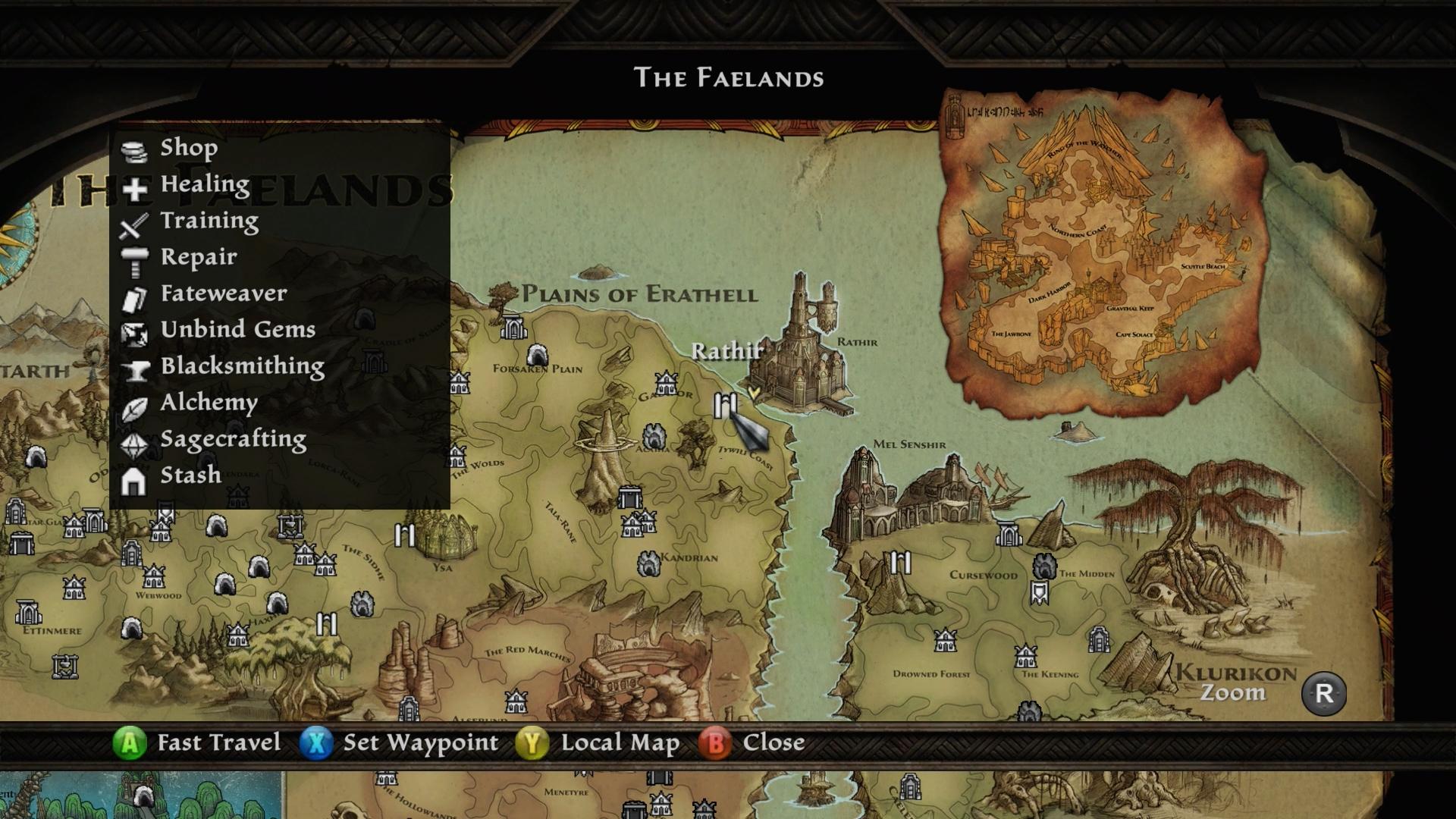
Getting around this world is pretty straightforward though. You can venture on to other regions by following the path at your local map’s border, but then you gotta go through the good old loading screens. The same goes for whenever you enter buildings or dungeons. Also, once you've discovered landmarks, you can fast-travel to them from the map.
While each subregion gives you plenty of space to roam, don't expect total freedom of movement. Those invisible walls pop up more often than you'd like, and forget about taking creative shortcuts, no jumping off waterfalls here! You'll need to stick to those "designated" paths.
At the end of the day, the world of Amalur is still very big and explorable with a few constrains here and there.
Liveliness
Amalur's world is filled with various unique landscapes. From the bright green plains of Erathell to the frost-bitten reaches of Alabastra, each region tells its own visual story, personality and atmosphere with their distinct color and character to match each landscape. Plus, the ambient soundtrack adds another layer of life: birds chirp in forests, wind howls across plains, and an eerie silence fills the dark dungeons.
Moving on, the settlements dotting the landscape do their best to feel alive, with countless NPCs going about their business in towns, but these depend on the size of the town. If it’s a big settlement, then you’ll be surprised at the amount of NPCs minding their own business. You'll see guards patrolling, blacksmiths hammering away, and farmers tending their fields, though don't expect them to follow complex daily routines. The game does a good job at presenting believable settlements but it’s still missing the finer details to make the player really feel like their in a breathing seamless fantasy world.

When you venture out, the wilderness is filled with wildlife and hostile encounters. Different regions host their own bestiary of creatures, but the space feels empty in some regions with only hostile creatures filling up the big landscape. Tired of fighting? You can make a pit stop at the few camp sites within the game, but don’t expect much, you’ll only occasionally find what you need there. Other than that, with only 1 or 2 occasional NPCs giving you side quests the roads feel empty without any travelers passing through.
Although the game does its job well to look alive, it still doesn’t quite hit the mark when you venture outside of the settlements, making it a near miss.
Customization
Onwards to customization, the game offers an extensive customization system that starts with character creation. You can choose from four distinct races, each bringing their own head start to different passive skills, which are scalable later on. While the basic appearance options like gender, facial features, and war paint won't exactly win any beauty contests, they don’t disappoint with a decent variety of options for each body feature.
Where the customization shines is in its character progression system. First off, you’ve got a skills tree with 9 different skills of your choosing like lockpicking and blacksmithing, each offering their own distinct bonuses in that skill. Then there’s the three combat trees, that can be mixed and matched like ingredients in an alchemist's shop to create unique builds. Then, through the Destiny system, these build choices unlock special cards that define your class bonuses, and you can switch them up anytime by visiting a Fateweaver, for a little bit of cash of course.
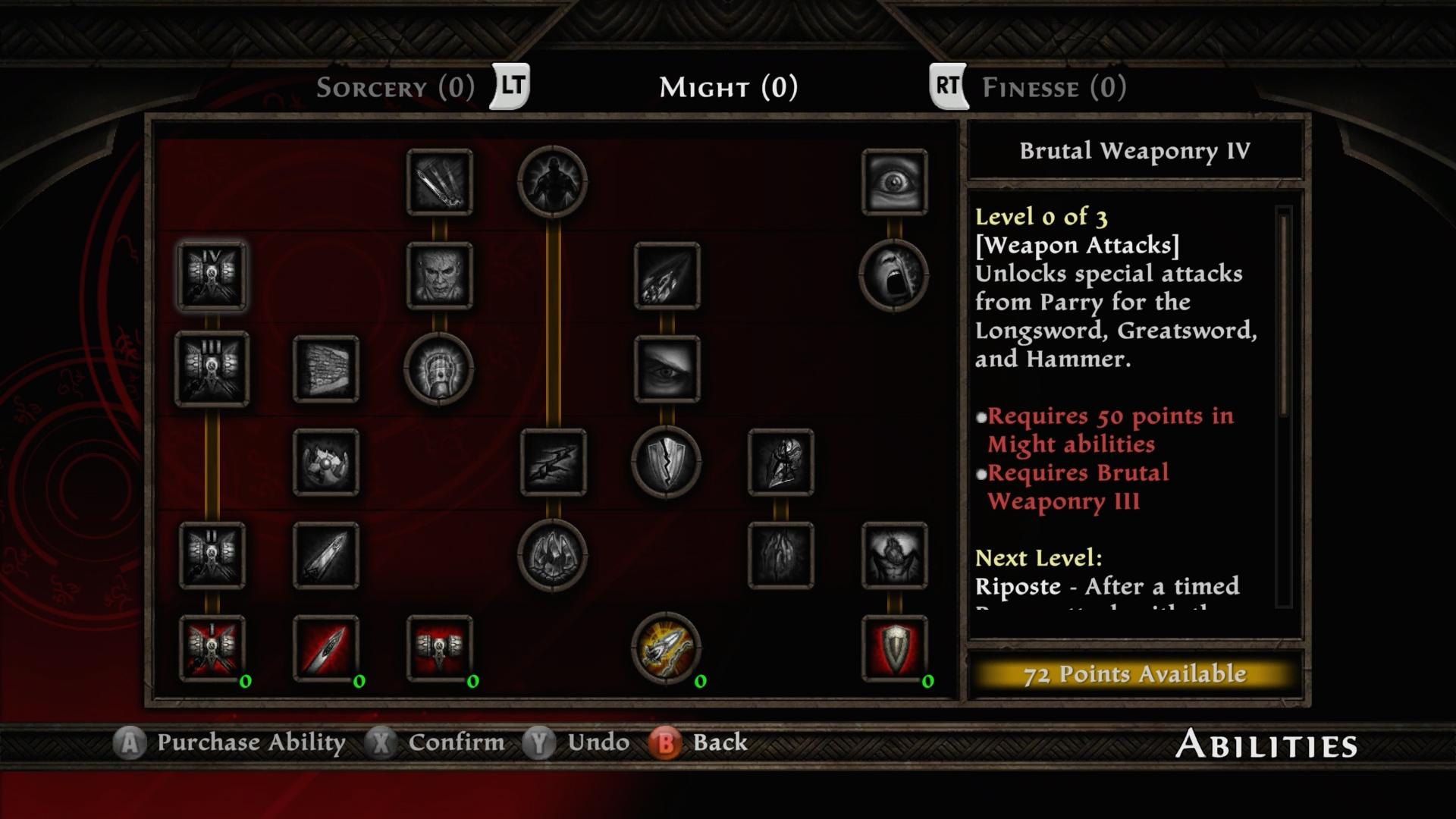
Equipment customization is equally extensive. Players can craft and modify weapons and armor through blacksmithing, enhance them with gems via sagecrafting, and even create custom potions through alchemy. Each piece of gear can be socketed with crafted gems to boost various stats, from basic damage increases to exotic magical effects. What makes it more satisfying? The crafted gear's appearance varies based on the base component used. Remember when we said you get free houses too? you can also upgrade them to have your own exclusive crafting stations in them, but that’s about it… It lacks the customizability factor.
There’s not much else to say, customization is definitely the game’s strong point.
Engagement
The game keeps you hooked through its well designed progression systems that constantly dangle new possibilities in front of you. As you level up, you're not just getting stronger, you're unlocking new ways to play entirely. Want to be a spell-slinging warrior or a stealthy mage? The game says "why not?" The fun lies in how the game lets you experiment freely: mix different combat styles, try out various Destiny combinations, master different crafting skills, and reset it all if you want to try something new.

However, while this freedom is exciting, it doesn’t tie into the main quest in any meaningful way. There’s little incentive to push forward with the story since these mechanics feel more like a separate feature rather than an integral part of the narrative. On top of that, the game doesn’t reward you with standout armor or special skills that make completing the main storyline feel particularly worthwhile other than for the plot. It’s great for those who love tinkering with builds, but it might leave players who crave a tightly connected story progression wanting more.
Bottom line is, the game’s progression systems are fun and engaging, but they don’t tie into the main quest enough to give you a strong reason to stick with the story.
Uniqueness
As the Fateless One, you're not just breaking the rules of destiny in the story; you're also given freedom through the game's layered character building systems. From race choices with their cultural backgrounds, to flexible talent trees, to the unique Destiny system that provides special passive skill combinations reflecting your fate-defying powers. Even the religion system has shrines scattered across the map offering divine character boosts. What makes this game special is how these mechanics aren't randomly thrown together, each system is carefully tied to the game's extensive lore, creating a living, breathing mythology where your choices in character building matters to how you want to play the game. While Amalur actually does it better than most, other RPGs have also tried to connect lore to gameplay. Additionally, the game doesn’t revolutionize the implementation. It still follows the usual you gotta pick this gotta pick that class skills and abilities system in most RPGs.
That being said, this game stands in the middle of the scale when it comes to being unique, hindering it from breaking any barriers.
Verdict
Phew… that was quite the journey huh? To close things off, Kingdom of Amalur: Re-Reckoning is a decent Fantasy Open World game, with it’s well designed landscapes, variety of side activities to choose from, and detailed customization that gives you freedom to choose your playstyle. Even with it’s heavily segmented regions, a world that lacks just a tad of liveliness, progression systems that keep you entertained but don’t fully connect to the main quest, and lore backed game mechanics that come close to being unique but falls short, this game might just get on your good side giving it a B Tier score from your friendly virtual wanderers at GameTyr.