NieR: Replicant… first launched worldwide on April 23, 2010 for PlayStation 4, Xbox One, and PC via Steam, developed by Square Enix and Toylogic and published by Square Enix. This release (NieR: Replicant ver.1.22474487139..) is described by its creators as a “version upgrade” of the original Japanese NieR Replicant, and it marks the first global release of that version with added story elements and expanded content.
Set in a distant, apocalyptic future where strange beasts and a deadly disease push humanity toward extinction, the story follows a kind young protagonist on a journey to save his sister. Gameplay blends swordplay with magic in a customizable combat system, delivering a hack and slash style experience while players explore the narrative from the protagonist’s perspective. What does it actually feel like to step into this fragile world, and does NieR Replicant still hold up in today’s open world landscape? Let’s break it down and see what the game really brings to the table.
Are NieR Replicant’s Side Content Actually Worth it?
Side activities in NieR Replicant mainly support progression through resources, upgrades, and currency. Side quests mostly revolve around fetch objectives, errands, and item deliveries for townsfolk. You will often be asked to gather materials, hunt specific monsters, or track down resources that are not always easy to locate. While these quests help flesh out daily life in the game’s settlements and occasionally provide small bits of context about the world, the mechanical variety is fairly limited, making them feel more like mediocre tasks.
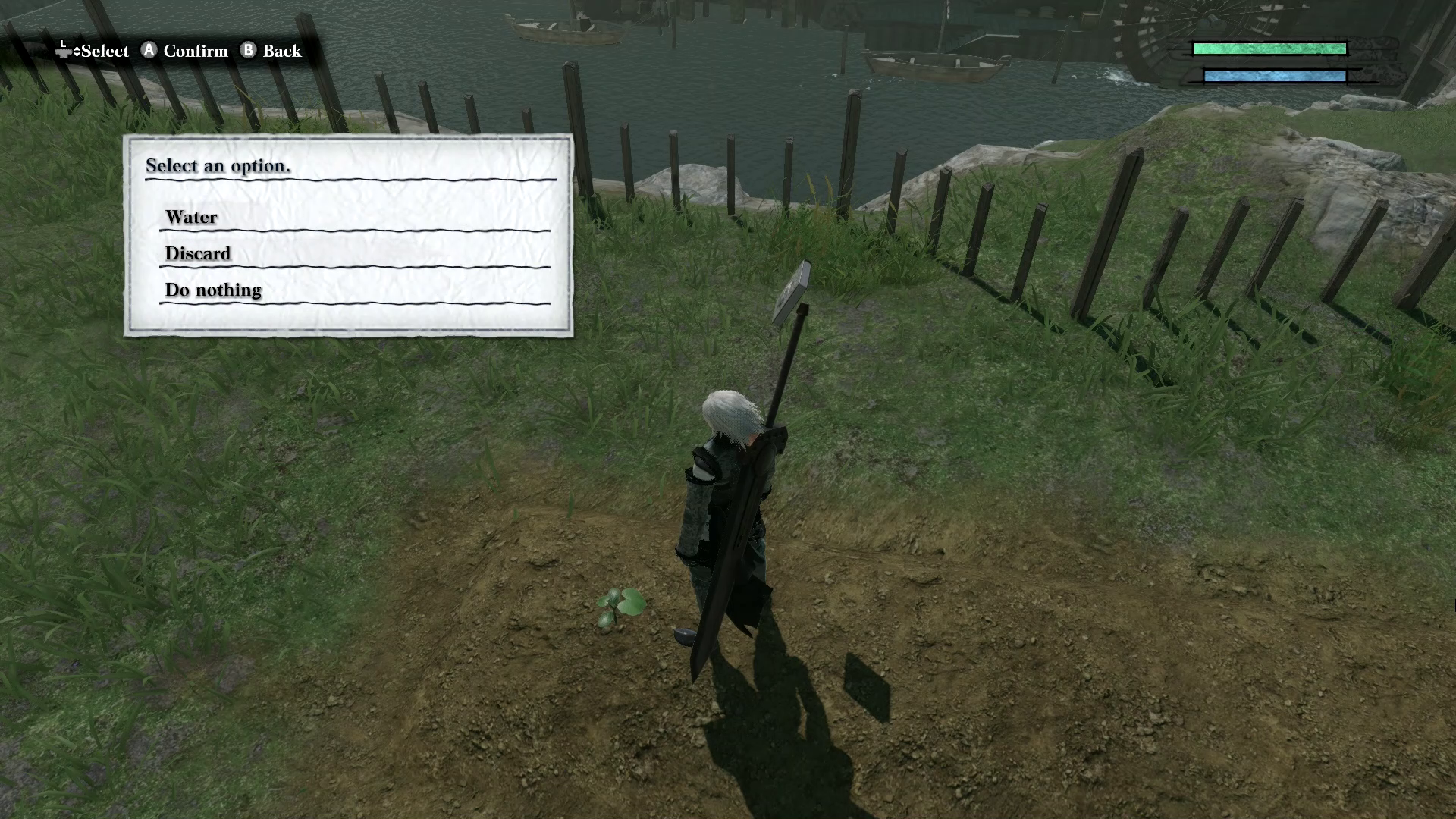
This is one you wouldn’t expect. The game has farming, and it gives you a slower, routine driven activity that operates on real time growth cycles. You can plant crops, water them to improve yields, and experiment with crossbreeding to produce new plant types or differently colored flowers. It’s a pretty barebone farming mechanic, but it rewards patience and planning, especially if you are aiming for rarer harvests that can sell for higher prices or fulfill quest requirements.
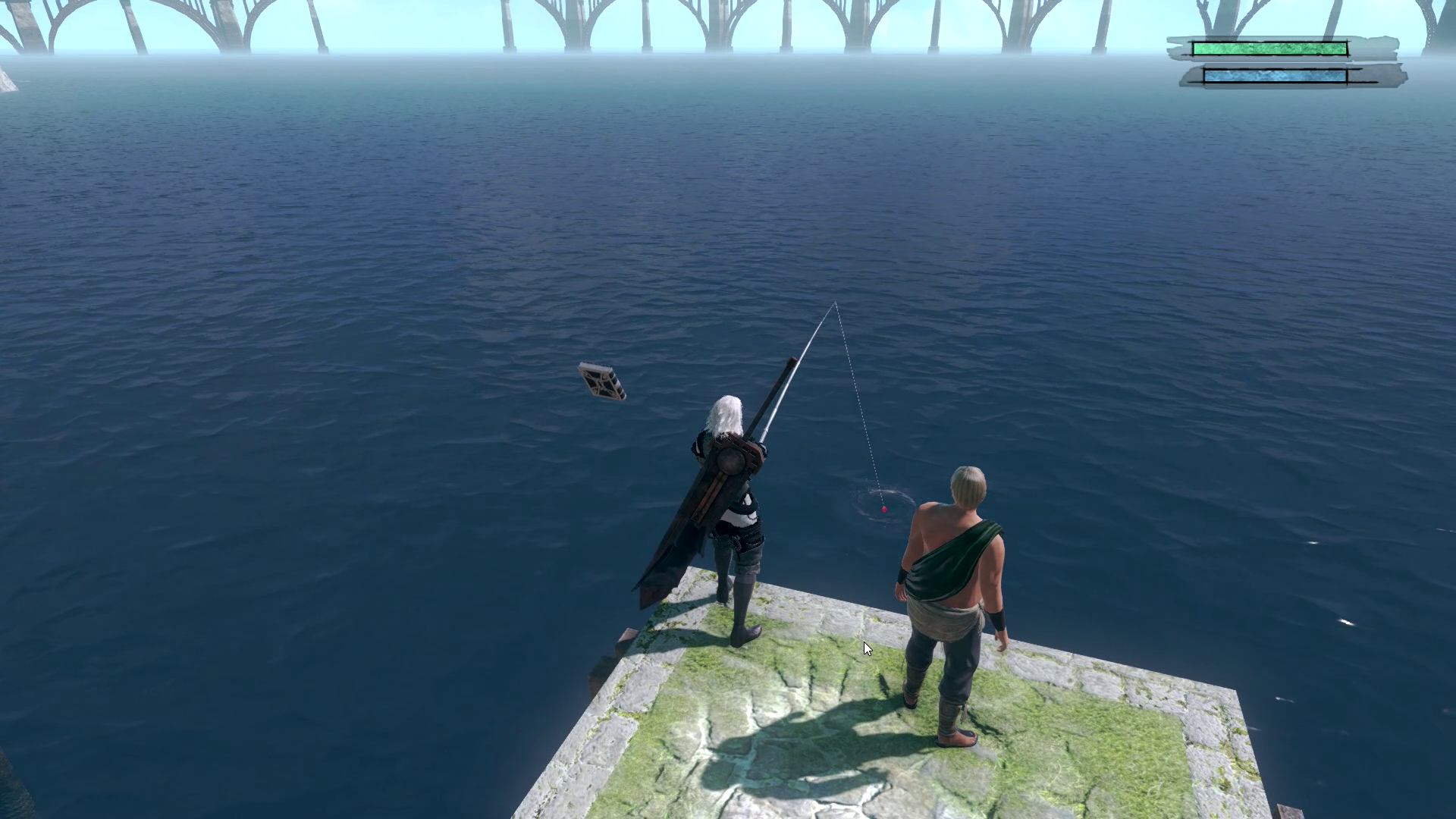
While you wait for your crops to grow, you can also go fishing, which acts as a straightforward but dependable way to earn currency. Different fishing spots contain different species, and bait choice influences what you can catch, including more valuable or uncommon fish. There is a simple learning curve to the timing mechanics, yet once understood, fishing becomes a reliable background activity rather than a demanding challenge.
Onto something more action-based; word, item, and weapon collecting encourages exploration without explicitly guiding you toward it. Words drop from defeated enemies and can be equipped to enhance abilities, while crafting materials appear both as monster drops and environmental pickups used for weapon upgrades. Some weapons are also hidden throughout the world, giving attentive players a reason to check side paths and less obvious locations.
Lastly, you can also go shopping in the decent amount of shops in the world. It remains practical throughout the game, as merchants carry distinct inventories that expand as the story progresses. Returning to previously visited stores can reveal new materials, seeds, or equipment, which subtly reinforces revisiting towns without forcing it. It is a simple system, but one that supports the broader resource loop effectively.
Overall, the activities you can do throughout the game is slightly more than just enough.
Freedom or Funnel? Breaking Down NieR Replicant’s World Design
NieR Replicant presents a world that is divided into 9 separate regions, quite a lot of segmentation. The game is divided into distinct regions connected through transition points, with towns and plains acting as central hubs that branch into other locations. Many areas only become accessible as the main story progresses, so early exploration is naturally limited until key story milestones unlock new regions.
Travel between regions is mostly done on foot and the giant boar you unlock during the first half of the game, encouraging players to repeatedly cross the same routes. Fast travel unlocks later in the story once the canal system is repaired, allowing a boatman to ferry you between major settlements, though you still need to speak to him at specific spots rather than selecting destinations from a map.
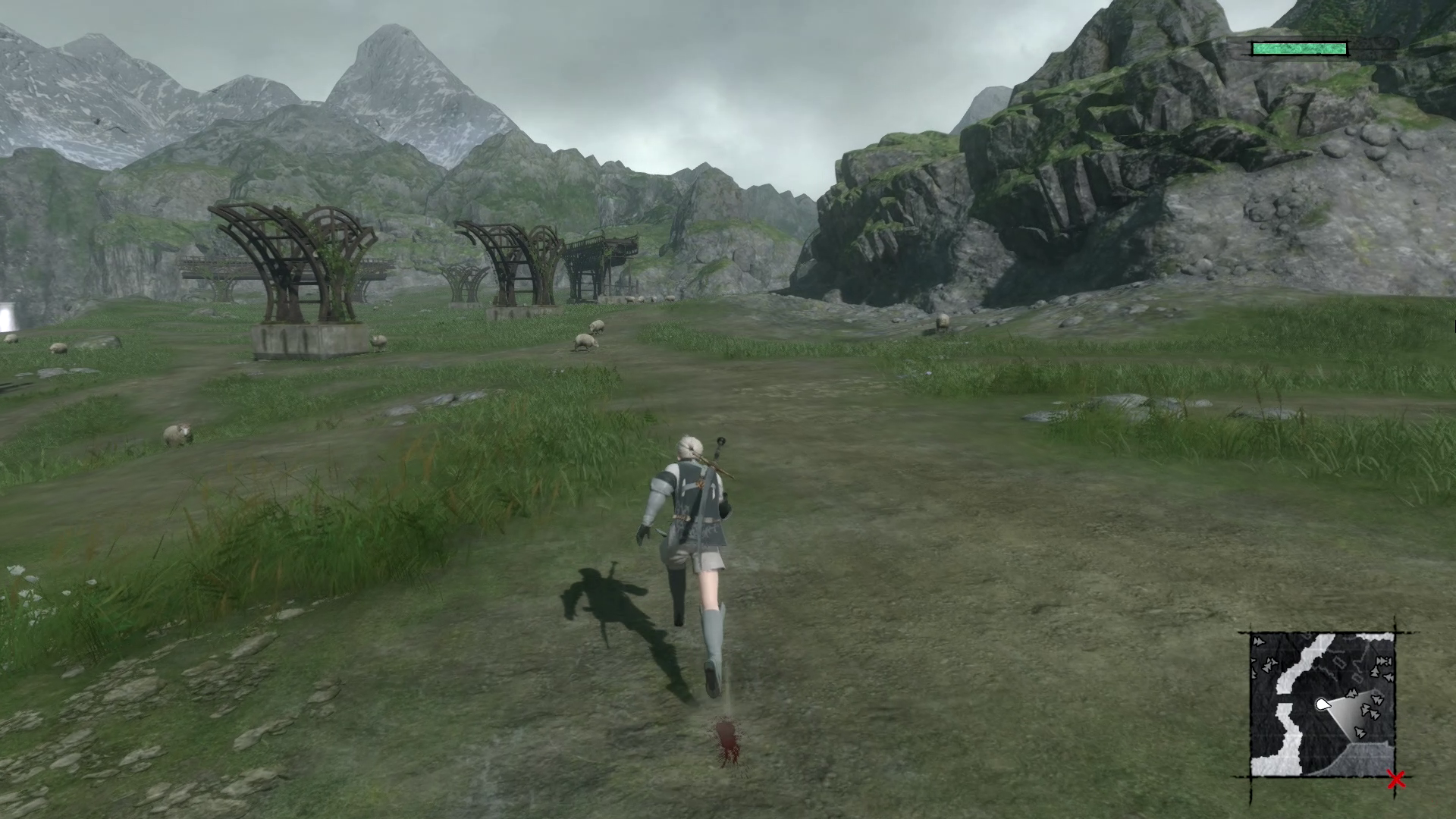
Individual regions are moderately sized, with interconnected routes such as the Northern Plains linking multiple settlements. Exploration is generally unrestricted within available zones, with few artificial barriers, but the regions are clearly defined, making the edge of each region fairly obvious.
With all that being said, the world design of Nier Replicant is very constrained and segmented.
Atmosphere and Activity: How Alive Is NieR Replicant’s World?
The landscapes in NieR Replicant are visually striking, with strong environmental detail, distinct color palettes, while having a consistent atmosphere across regions. Each area carries its own identity, supported by a soundtrack that blends naturally with the surroundings. You’ll have green fields in one area, a sea shore area the next, and a mountainous cliff village in another. The music and ambient audio do a lot of the immersion work, helping locations feel immersive even when there is little mechanical activity happening within them.
Settlements in the game feature a reasonable number of NPCs, which at least prevents towns from feeling deserted. It won’t be packed, but it’s enough to simulate a village or a small town atmosphere. However, their behavior is limited. Many characters either stand in fixed positions or walk back and forth along short paths, which makes their routines feel predictable and somewhat artificial.
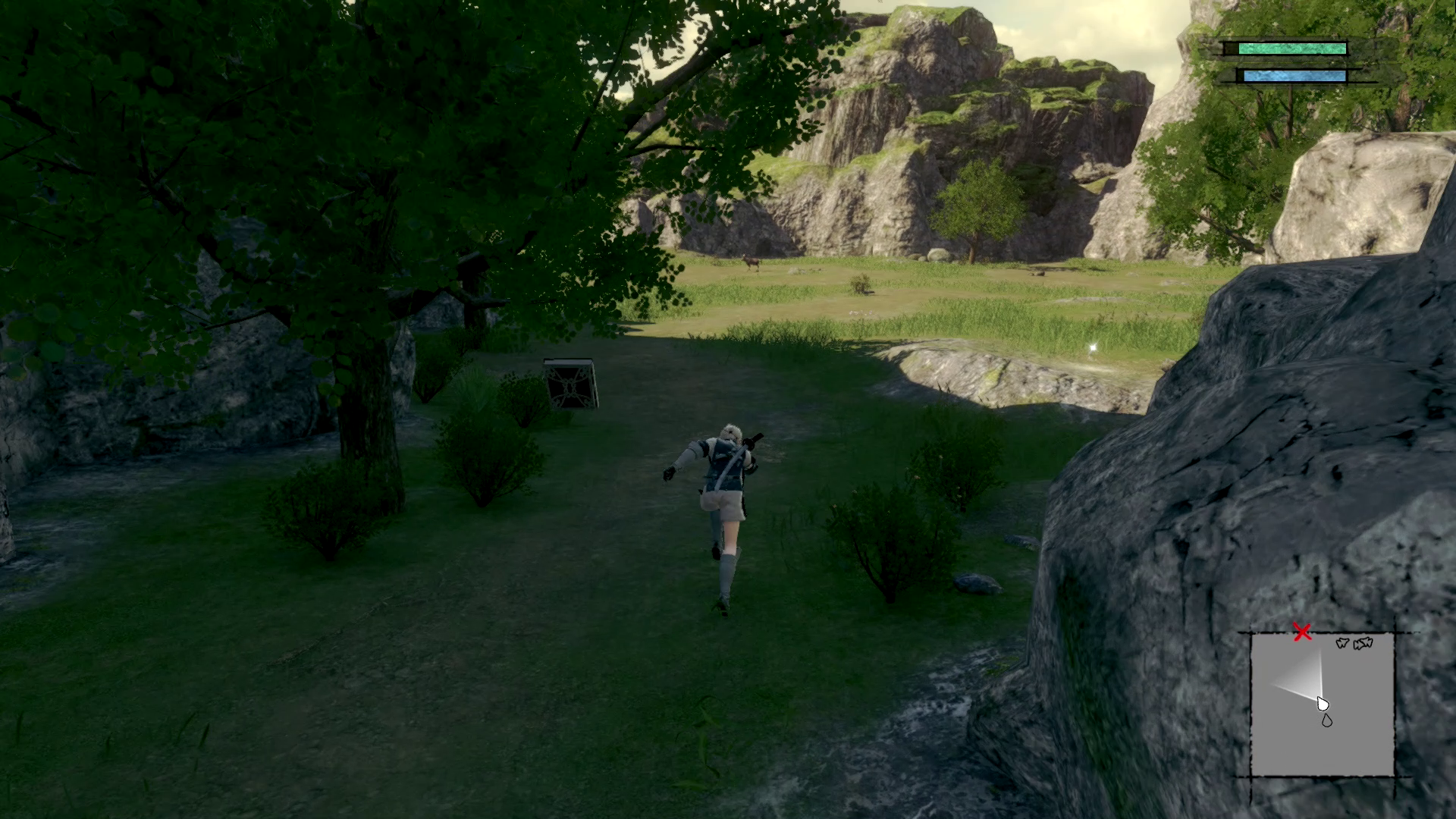
Outside of towns, the world becomes noticeably quieter. Wildlife can be seen in certain areas, but human presence is absent, with no wandering NPCs or dynamic encounters to break up travel. As a result, these spaces often feel more like purely zones you just pass by and occasionally do side quests.
So, the overall liveliness of the world remains just enough to keep the world from being empty.
Choice or Illusion? A Look at NieR Replicant’s Customization
Now we move onto what the game lets you do to make your playthrough yours. First we have weapon upgrades, which in NieR Replicant are handled through blacksmiths found in towns. The process itself is straightforward, typically requiring the right materials with gold before confirming the upgrade with a single interaction. There is little mechanical involvement beyond gathering resources, so the system functions more as a progression checkpoint, in other words, a means to boost your weapon stats.
Word customization offers more flexibility by allowing you to bind collected Words to weapons and magic. These modifiers adjust attributes such as damage output, status effects, or other combat related stats, giving you some control over how your build performs. It is not overly complex, but it provides a practical way to tailor combat efficiency based on your preferences or the challenges you are facing.
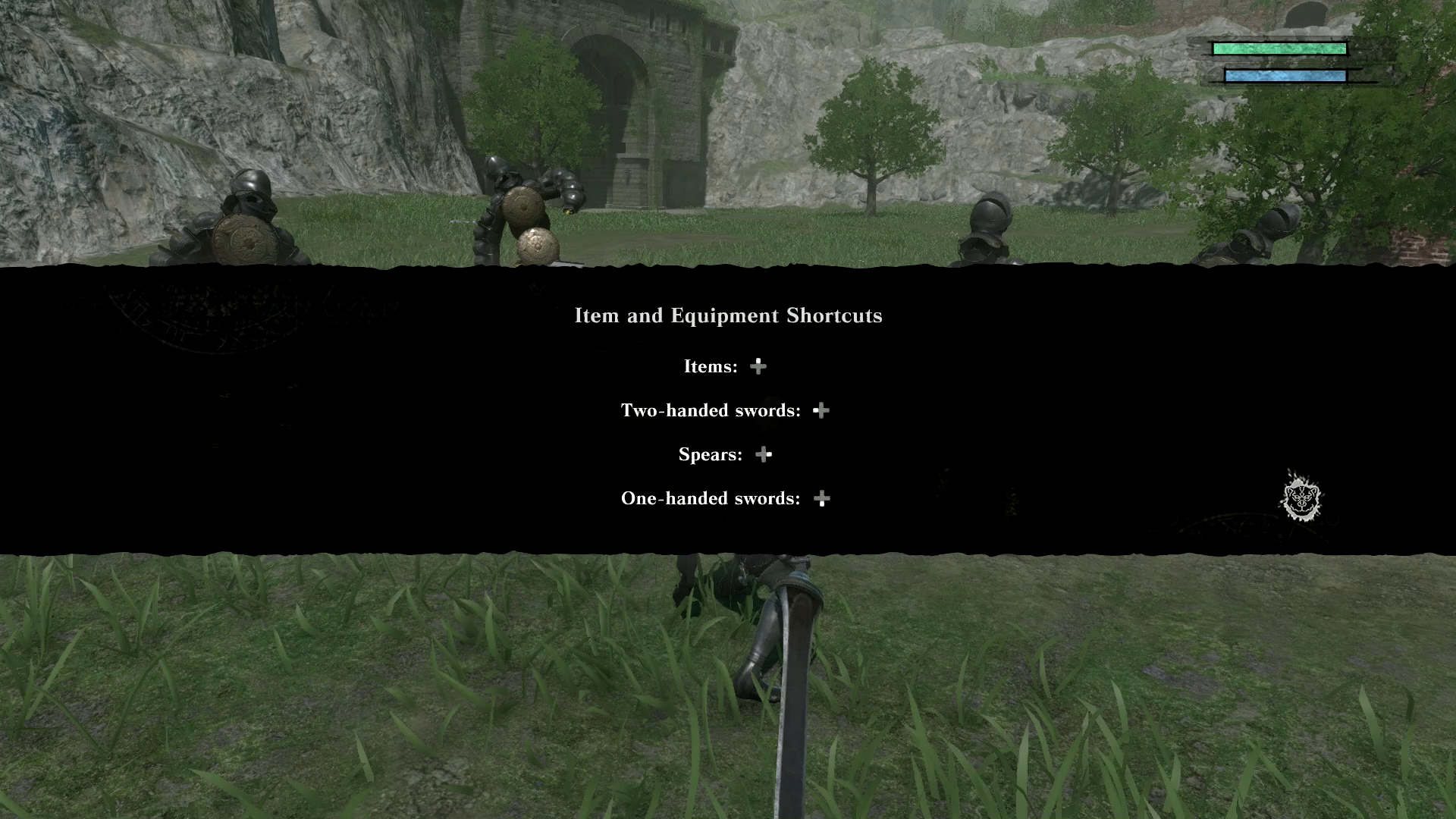
Weapon and magic loadouts add another layer of choice. You can switch between three weapon categories, each with a reasonable selection, and equip magic abilities across four slots. This makes it easier to adapt your approach before heading into fights, whether that means prioritizing reach, speed, or ranged attacks. While the system does not radically change moment to moment gameplay, it supports functional build variety to a certain extent.
Last and maybe also least, costume options, which are very limited and mostly tied to DLC. Each character only has a small number of alternate outfits, and they don’t meaningfully affect gameplay, making this feature cosmetic only.
Ultimately, the options are there, but not a whole lot.
Hooked or Just Passing Through? Testing NieR Replicant’s Staying Power
What keeps you playing in NieR Replicant is heavily anchored to the main story. The narrative centers on a brother trying to save his sister, and that emotional plot does a lot of the work in keeping players invested. Outside of this central plot, however, there are very few activities that meaningfully pull your attention for long stretches.
Side quests do little to strengthen that engagement, as most follow familiar fetch structures without adding much mechanical or narrative tension. Activities like fishing and farming exist as optional distractions, but they operate separately from the main story and rarely feel essential. While they can occupy short sessions, they are not designed to sustain momentum over extended play.
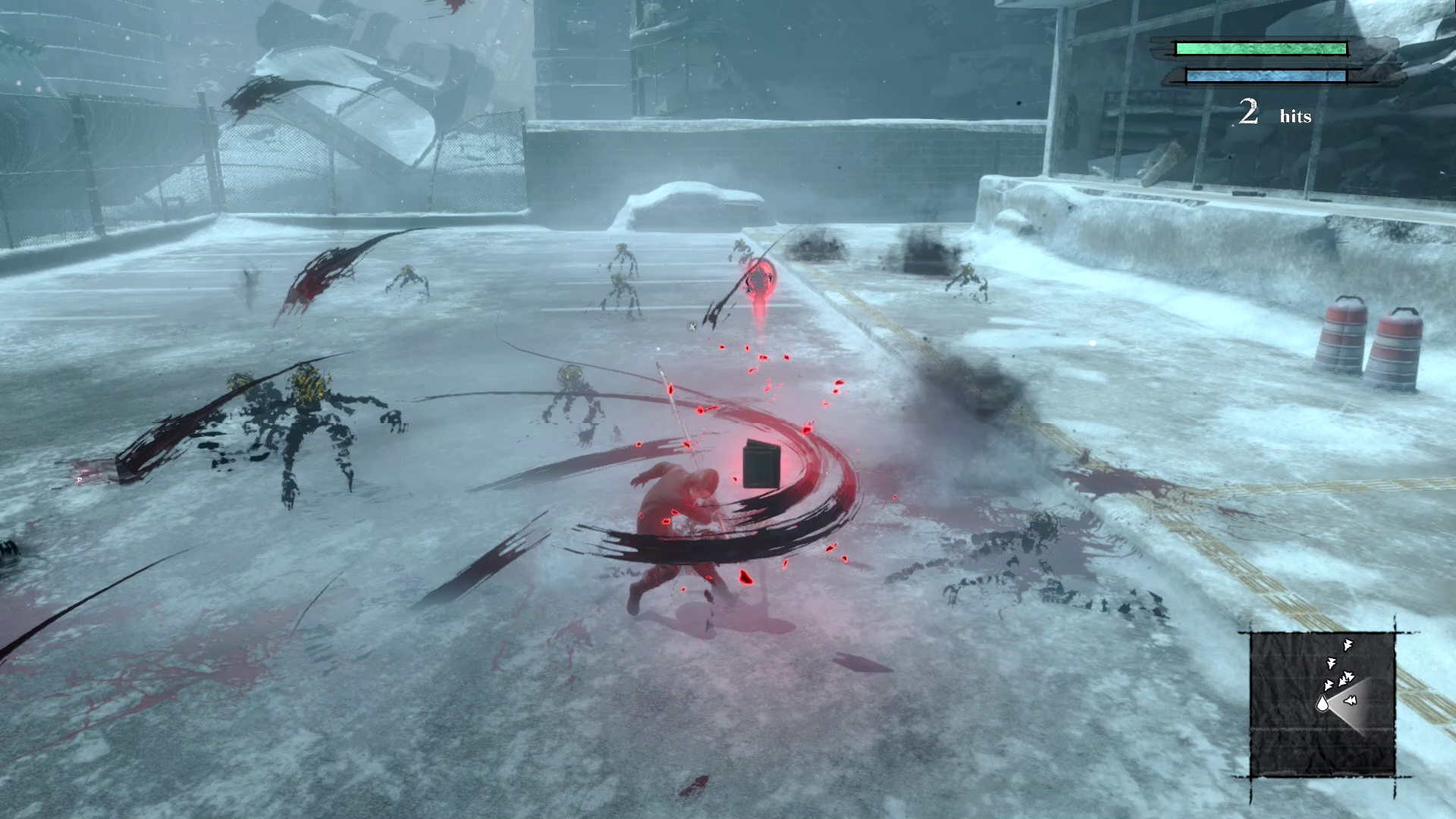
Combat is responsive and initially enjoyable, yet the range of moves remains fairly limited. Over time, fights can start to feel repetitive, and the available customization tends to only influence damage or drop rates rather than noticeably changing how fights play out. Magic abilities unlock steadily through story progression, with most becoming available around the midpoint. Although each one slightly shifts your approach, the impact is often small, so unlocking a new ability may not provide a strong sense of payoff.
But the story of the game for some its considered one of the best JRPG out there
One World, Three Perspectives: The Design Choice That Sets NieR Replicant Apart
NieR Replicant stands out through its shifting gameplay perspectives, blending third person, side scrolling, and top down viewpoints within the same experience. While most of the game is played from a traditional third person camera, certain sections intentionally transition into the other two perspectives depending on the area or scenario.
These changes aren’t only visual either. Some segments introduce puzzles viewed from a top down angle, while others frame combat through a side scrolling layout, subtly altering how you approach movement and positioning. The core mechanics remains the same, but the change in perspective refreshes the otherwise standard interactions. The transitions are automatic, typically triggered when entering specific locations. This design choice uses perspective as a contextual tool, giving different parts of the game a distinct feel without overcomplicating the controls.
As a result, the shifting points of view solidify the game’s unique identity.
Verdict
So where does that leave NieR Replicant? Well, for what its worth, you might want to skip this unless you’re curious what the brother and sister story holds. While the game does not fully commit to an open world structure, it succeeds in carving out a distinct identity through its perspective shifting gameplay and atmospheric presentation. The side activities provide enough support outside of the main story, and the customization options offer practical flexibility even if they rarely transform the experience. Where the game struggles is in its segmented world design and its ability to sustain engagement beyond the main narrative. Taken together, NieR Replicant lands as a mixed experience, settling into a C Tier on the GameTyr scale.