Ever wanted to explore Hong Kong while punching your way through triads and undercover missions? That’s exactly what Sleeping Dogs lets you do. You step into the thick shoes of Wei Shen, an undercover cop balancing loyalty, identity, and survival, all in a densely packed, fully realized triad filled open world. Driving through busy streets, jumping into fist fights, or just wandering through markets, the city feels alive in a way that immediately pulls you in. So let’s dive into how Sleeping Dogs dabbles as an open-world.
One of the first things that stood out was the city itself. Hong Kong feels dense and busy almost everywhere. Streets are packed with NPCs, markets are loud, clubs feel active, and even higher elevation areas like Victoria Peak still have people walking around. Every NPC seemed to be doing their own thing too, like in the club you’ll notice NPCs dancing or just chilling at the bar, and even more private NPC chatter right outside your apartment that you probably shouldn’t have heard. Most games usually have less crowded areas such as secluded or abandoned regions, but here the density stays consistent, which helped the city feel believable at every corner, even if some of them were just mobs waiting to beat you up, or at least try to.

The soundscape plays a big role in that. Rain hitting the streets, traffic noise, constant chatter, and city ambience fill the background at all times. I also noticed NPCs start pulling out umbrellas when it starts raining, which is a good touch to see. The soundtrack stays subtle and never takes over. I found this grounding rather than cinematic, which fits the game well. It feels like a city that exists on its own, not one waiting for you to trigger events.
You’ll really feel it as you explore, as movement through the city feels uninterrupted. The map is fully unified with no loading screens at all. You can drive from one end of the city to the other without the game pausing or cutting away. There is only fast travel by taxi, but you won’t really notice this cause at least for me I preferred to just get behind the wheel and drive there myself. The map doesn’t feel like a chore to travel through because the vehicles help you travel through it at a decent pace. Cars and motorbikes are everywhere, and the road layout and different districts keeps driving engaging.

There are also no invisible walls. If you see an area, you can usually access it, either through parkour or more conventional means. Although parkour does let you reach certain vertical spots that sometimes have hidden lockboxes too, so it’s always worth a peek. I found this important because it reinforces the feeling that the city is a real space rather than a guided track. You get this sense of satisfaction as you explore new areas, and you’re often rewarded for it too, either with money, new items, or side activities.
As you move around, side activities constantly appear. Jobs like cop cases, face missions from drug busts and racing, and favors come from NPCs that are spread across the map. Some favors are fairly simple and short enough not to feel like fillers, yet still feel engaging and rewarding at the same time. You’ll even get to beat up middle aged men bothering shop keepers or thieves who snatched your money just cause you were asked to rate a girl’s outfit. The game respects your time here, which made me more willing to stop and engage instead of ignoring them.
Side activities raise your face level, which gates not only buying items but even using them. Certain clothing and items cannot be equipped until your face level is high enough. Cop and triad levels progress separately, pushing you to engage with different systems. At certain face levels, you even get extra features, like at face level four, you unlock the vehicle valet, which completely changes how you move around the city. You won’t need to snatch random cars off the street anymore.This is a great example of the game rewarding engagement with new mechanics, which not a lot of open world games do to this extent nowadays.

You’ll also notice that random events trigger while you’re just passing through areas. Someone getting harassed, a small conflict breaking out, something that catches your attention. These are usually quick encounters, but they do do a good job of breaking up travel and reinforcing the idea that things happen without waiting for you. You can choose to ignore these random events, when you can’t be bothered though.
But if you do choose to butt in, then you’ll have to put your fists to good use, and good thing cause combat is where Sleeping Dogs clearly separates itself from other open world games. The game is built around hand-to-hand combat, revolving around martial arts, with guns taking a back seat. Fighting is close, fast, and heavily based on counters, grabs, and environmental interactions. You start off with a basic one-button combo and grow to have multiple combos by collecting jade statues to learn new kickass kung fu moves, it feels like starting from a low-level thug to becoming the martial arts master. Of course, all that combined into an urban open world set in the asian culture-rich setting of Hong Kong.
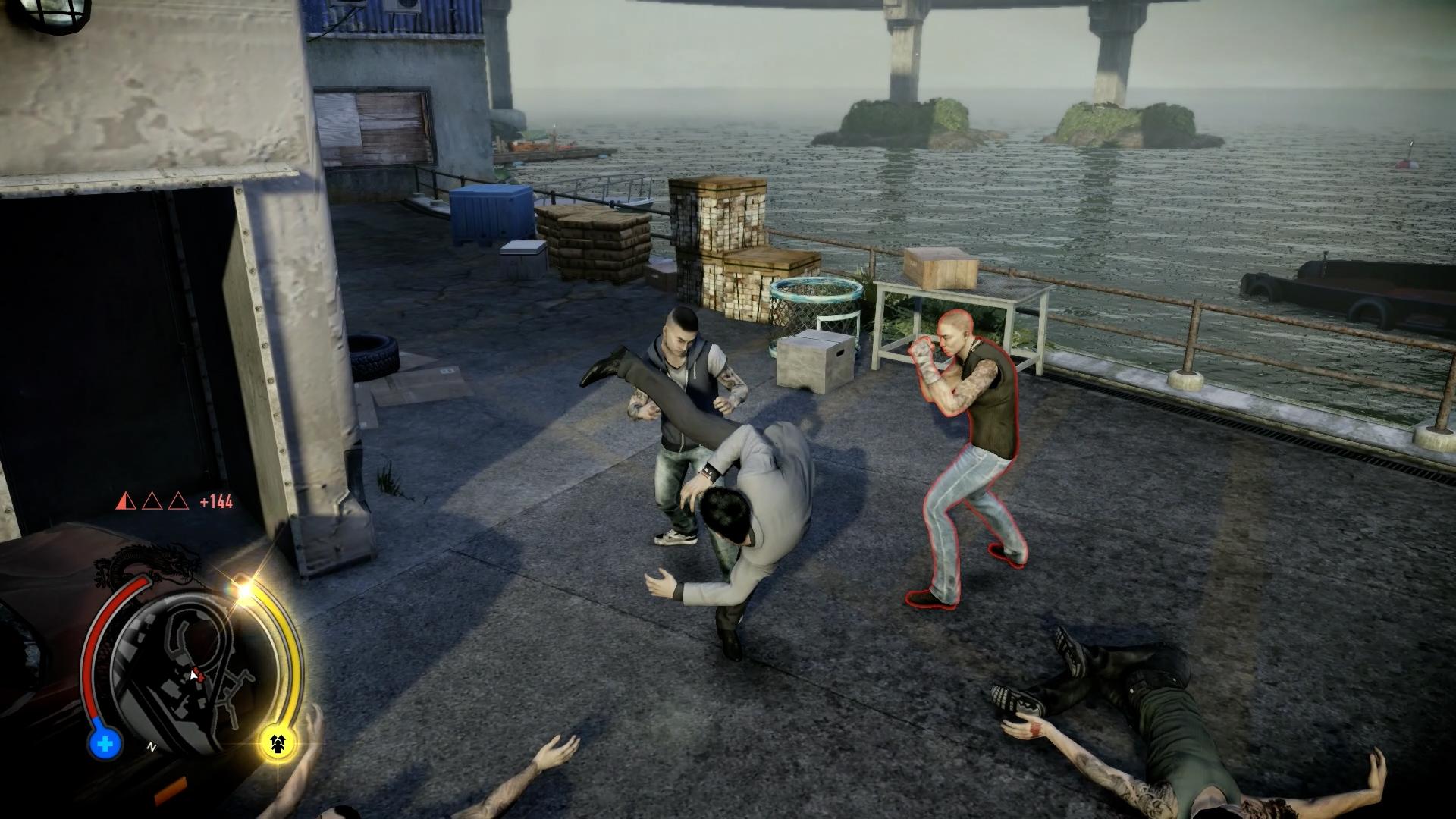
Finding the collectibles are extremely satisfying because every collectible has a clear mechanical payoff. Like, even finding lockboxes rewards you with clothes or money. Nothing feels like it exists just to pad completion percentage, which is also why this game is such an underrated game. The mechanics in Sleeping Dogs just feel well thought out and integrated into its core system. Also, some jade statues are only obtainable through main missions, which quietly forces you back into the story if you try to ignore it for too long.
To add to this, mini games and extra activities add more variety. Fight clubs are pure combat challenges and act as good skill checks. Street races unlock as you gain more vehicles, which gives buying or earning cars a clear purpose. Cockfight gambling is a surprisingly effective way to earn money, if you like taking your chances on chicken to fight your battles for you.

If you’re more of a ladies’ man, then you’ll be surprised at how involved going on dates actually is. Instead of being quick cutscenes, you actually do activities, and completing them rewards you with things like health shrines appearing on your map, or even extra races, too. This made dates mechanically relevant even if the writing itself stays fairly simple. Not to mention the dates that you enjoy along the way
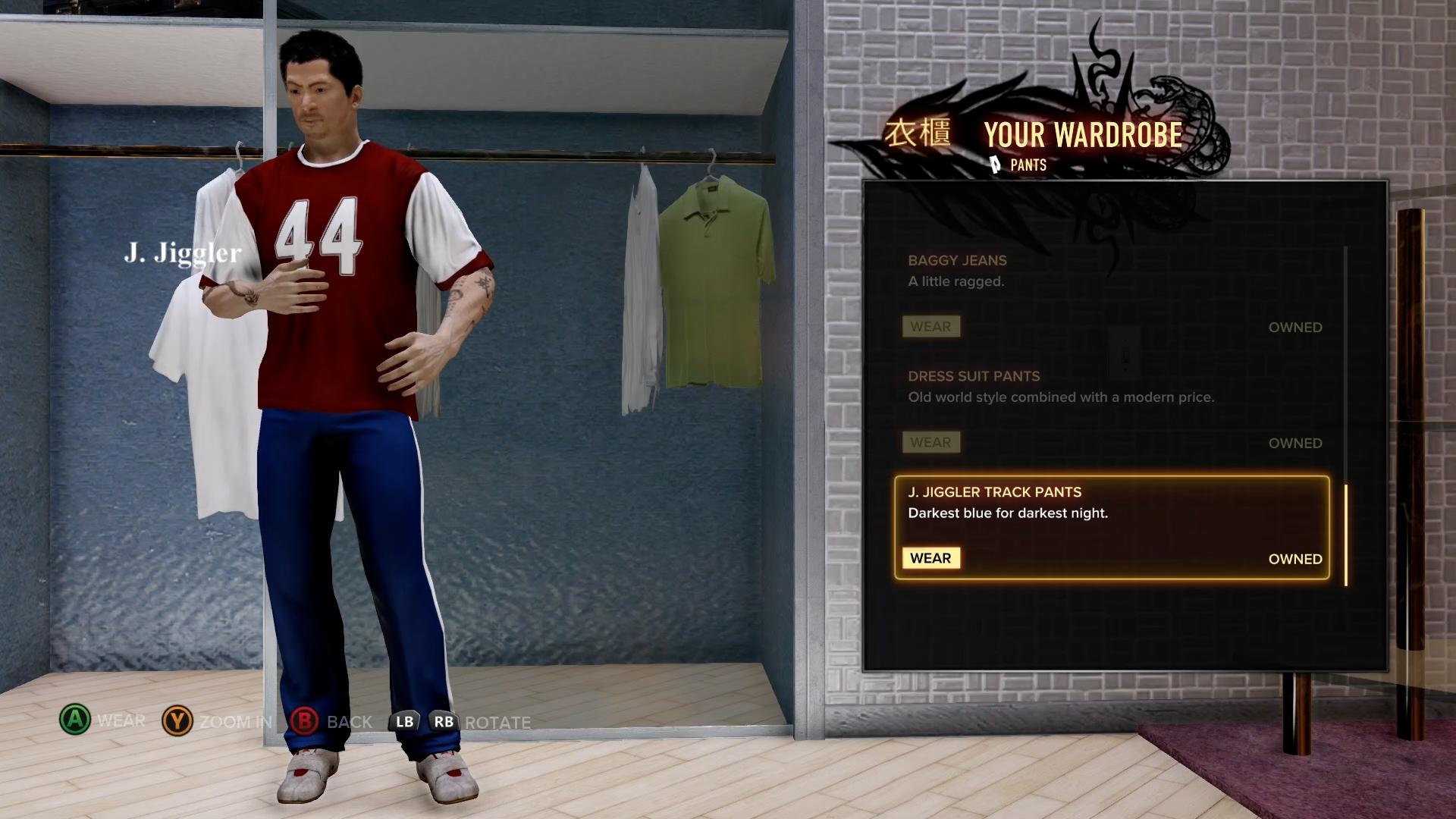
Now this is where I was surprised. Customization sits in a functional middle ground. Clothing can be mixed piece by piece or worn as full outfits, and most outfits provide stat boosts. This often pushes you to dress for function rather than style, but if you don’t really care about the stat boosts, there are more quirky outfits for you to choose from too. When it comes to vehicles, the game offers a decent variety too, and owning more directly unlocks more races. Sadly the vehicle customization only extends to paint jobs though. Also, small, eating and drinking gives temporary stat boosts too, which is a nice system, though easy to forget. By now, you’re probably wondering about the skills in this game, and while the game does have a skill tree, it’s very straightforward and easily maxable. It might be convenient, but it removes meaningful build choices, which might’ve been a missed opportunity.
What really ties all of this together is how the main story feeds directly into the whole progression loop. Story missions reward large amounts of money, experience, new clothing, and new apartments. Apartments act as a clear marker of progression and status through the main story. Certain collectibles and combat upgrades are also tied directly to story missions. The side content has enough variation and rewards you well, both in items, and levels that tie into unlocking certain features later on. The game nudges you to balance main missions and side content instead of letting you focus on just one path, and it’s pretty satisfying to indulge in and see it all come together. That’s what made the game so fun to play.
That brings me to what makes Sleeping Dogs so unique. There are plenty of GTA-like open world games, but none of them focus this heavily on martial arts combat. The hand to hand system is deeper and more expressive than what most games in the genre attempt. Combined with a believable Hong Kong cityscape, it gives the game a clear identity, at least compared to other GTA-like games. This focus helps it stand out even years later, even bringing me to replay the game a second time.
By the end of my playthrough, what stayed with me was how cohesive everything felt. Not every system is deep, but almost every system has a reason to exist. Very few mechanics felt wasted or unfinished, which is rare for an open-world game of this size.
Verdict
So yeah, Sleeping Dogs isn’t just about running missions or punching triads, it’s about soaking in Hong Kong and how its systems all come together. Almost everything constantly pulls you off the main story, making the city feel alive and worth exploring.
Side Activities
Sleeping Dogs has a surprisingly deep variety of side content. Cop cases give you a sense of being part of the police force, while orange missions reward vehicles that unlock races, giving your collection a purpose. Drug busts are fast and punchy, mini games like fight clubs and street races test your combat and driving skills, and even dates and favors feel rewarding instead of filler. Collectibles aren’t just empty activities either, they all tie into progression: like health shrines that increase your health meter. The game rarely throws side content at you for the sake of busywork; nearly every activity has a mechanical payoff.

Area of Freedom
The map is fully unified, seamless, and explorable without invisible walls. You can traverse from downtown to industrial docks or Victoria Peak without interruptions, and you can explore Hong Kong with fast travel or vehicles that make moving through the city smooth and enjoyable. Parkour lets you reach rooftops and hidden nooks, often hiding rewards like lockboxes or collectibles. It’s this freedom that made exploration feel satisfying, with every area being accessible from the start.
Liveliness
The city’s NPCs and ambient design are impressive. People talk, dance, eat, and react to weather, when it rains, umbrellas appear, and traffic sounds shift with the environment. Even quieter areas still have activity, from people leaning on railings to conversations outside apartments. The density and believability of NPC behavior makes Sleeping Dogs’ version of Hong Kong feel alive and actually functioning even when you’re not watching, and the audio cues reinforced that immersion constantly.
Customization
Clothing and outfits give functional choices, with stats that matter for gameplay, and quirky options exist if you want to have fun with style. Vehicles are varied and owning more unlocks additional races, adding incentive to expand your garage.. The skill tree, however, is very easy to max out. The options to personalize are there, but they lack the depth to define meaningful long-term choices, which makes customization feel less expressive than it could be.

Engagement
Sleeping Dogs thrives on interconnected systems. Side activities, collectibles, and story missions all feed into face, cop, and triad levels, which in turn unlock items, abilities, and perks like the vehicle valet. Items are sometimes gated by face level rather than money, which makes progression feel earned rather than bought. This structure encourages you to mix main missions with side content, keeping the gameplay loop dynamic and rewarding curiosity throughout different side content, exploration, and progression.
Uniqueness
While many open-world games like GTA exist, Sleeping Dogs carves its niche with hand-to-hand martial arts combat, which is fast, fluid, and strategic. Every other system, from collectibles to progression. supports this core identity. Combined with a dense and authentic Hong Kong setting, it gives the game a strong personality that persists even years after release. This combination makes the game memorable and distinct compared to other GTA-like open worlds.
Overall, Sleeping dog’s systems all add up together to create one almost flawless open world, earning it an A Tier here at GameTyr.